
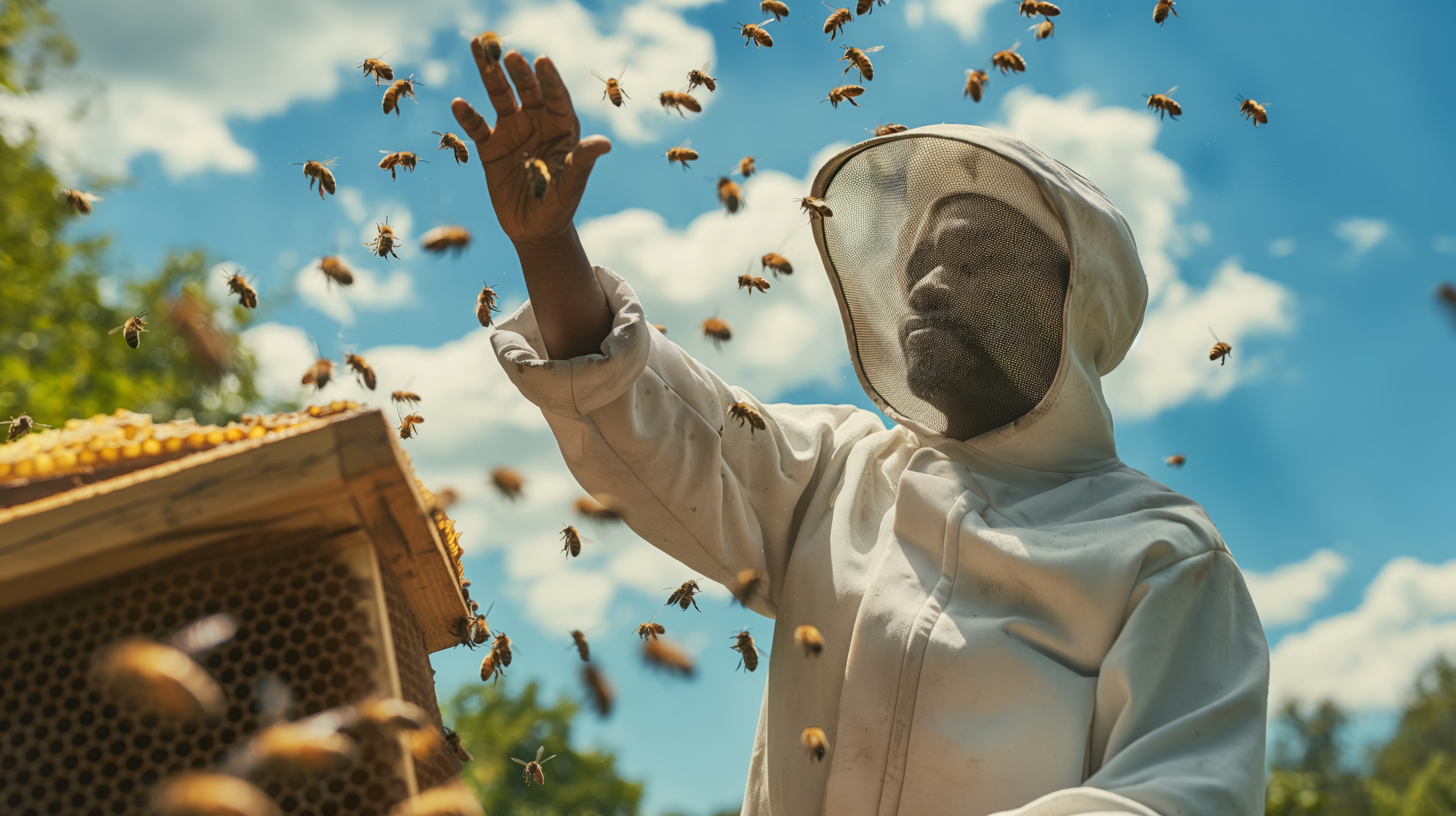
By maintaining bee colonies in urban environments, city residents can contribute to biodiversity, support local ecosystems, and even produce their own honey. As concerns about declining bee populations continue to grow, urban beekeeping offers a practical way for communities to become part of the solution.
Why Bees Matter
Bees are among the world’s most important pollinators.
They play a critical role in the reproduction of flowering plants and contribute significantly to global food production. Many fruits, vegetables, nuts, and seeds depend on pollination to produce harvestable crops.
Without healthy bee populations, ecosystems and agricultural systems would face serious challenges.
The Rise of Urban Beekeeping
Surprisingly, cities can provide excellent environments for bees.
Urban areas often contain diverse flowering plants found in parks, gardens, balconies, and green spaces. In some cases, urban bees have access to a wider variety of nectar sources than their rural counterparts.
Additionally, cities may expose bees to fewer agricultural pesticides than large-scale farming regions.
Benefits of Urban Beekeeping
Supporting Pollinator Populations
Urban beekeepers contribute to the health and survival of bee populations that face numerous environmental threats.
Producing Local Honey
Many beekeepers enjoy harvesting honey produced directly from their neighborhoods.
Local honey often reflects the unique plant life of a specific area, creating distinctive flavors.
Environmental Education
Beekeeping helps people better understand ecosystems, pollination, and biodiversity.
Strengthening Communities
Community gardens, schools, and environmental organizations frequently use beekeeping projects to bring people together around sustainability initiatives.
Getting Started with Urban Beekeeping
Learn Local Regulations
Before purchasing bees or equipment, it is important to understand local laws and regulations regarding hive ownership.
Some cities require permits, registration, or specific hive placement requirements.
Choose the Right Location
A suitable location should provide:
- Good sunlight exposure
- Protection from strong winds
- Access to flowering plants
- Minimal disturbance from human activity
Purchase Essential Equipment
Basic beekeeping equipment includes:
- Beehive boxes
- Protective clothing
- Gloves
- Smoker
- Hive tool
- Bee colony
Investing in quality equipment improves safety and colony management.
Start Small
Beginners often benefit from managing one or two hives before expanding operations.
Smaller setups allow new beekeepers to gain experience without becoming overwhelmed.
Common Challenges
Colony Health
Bees are vulnerable to diseases, parasites, and environmental stressors.
Regular hive inspections help identify problems early.
Seasonal Management
Bee colonies require different care throughout the year, including winter preparation and swarm prevention.
Public Perception
Some neighbors may have concerns about safety. Educating the community about bee behavior and hive management can help build support.
The Environmental Impact
Urban beekeeping contributes to greener cities by encouraging pollination and supporting biodiversity.
Beekeepers often become advocates for pollinator-friendly gardening practices, leading to increased planting of flowers, native species, and green spaces that benefit multiple forms of wildlife.
The Future of Urban Beekeeping
As cities continue investing in sustainability initiatives, urban beekeeping is likely to expand. Rooftop hives, community apiaries, and educational programs are becoming common features in environmentally conscious cities around the world.
Technology is also improving hive monitoring through sensors that track temperature, humidity, and colony activity in real time.
Conclusion
Urban beekeeping is more than a hobby it is a meaningful way to support pollinator populations, promote environmental awareness, and reconnect with nature in urban settings. Whether motivated by sustainability, education, or the simple joy of producing local honey, aspiring beekeepers can play an important role in creating healthier and more resilient cities.