
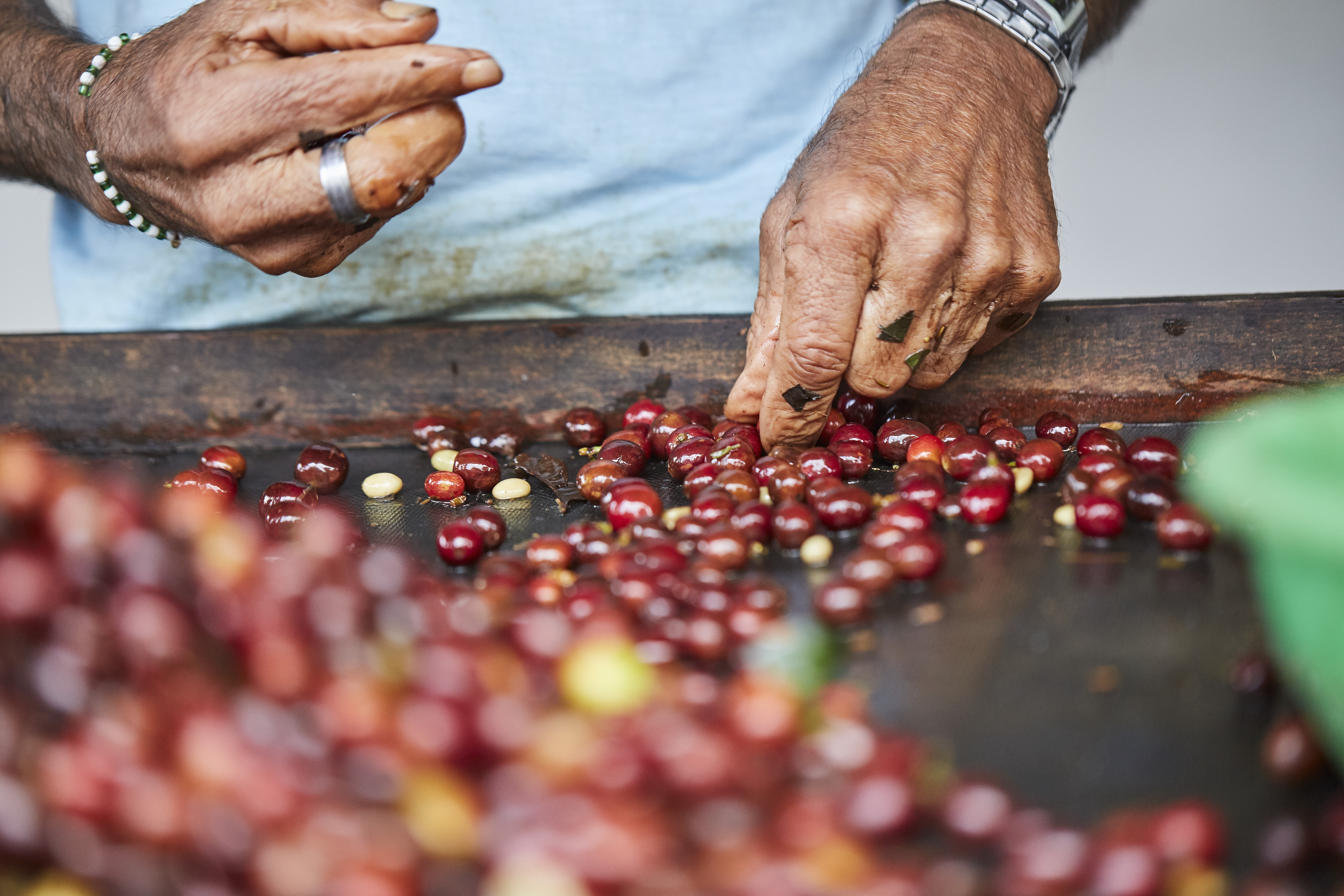
Scientists and food technology companies are now exploring a fascinating solution: lab-grown coffee.
By cultivating coffee cells in controlled environments rather than growing coffee plants on farms, researchers hope to create a sustainable alternative that preserves flavor while reducing environmental impact.
Why Traditional Coffee Production Faces Challenges
Coffee cultivation depends heavily on specific climate conditions.
Rising temperatures, changing rainfall patterns, and increased pest activity threaten coffee-growing regions worldwide.
Many experts predict that significant portions of land currently suitable for coffee cultivation may become less productive in the future.
At the same time, global demand for coffee continues to grow.
This combination of rising demand and environmental pressure creates a significant challenge for the industry.
What Is Lab-Grown Coffee?
Lab-grown coffee is produced using cellular agriculture.
Scientists extract coffee plant cells and cultivate them in nutrient-rich environments inside bioreactors.
The cells multiply and develop into biomass that contains compounds responsible for coffee’s aroma, flavor, and caffeine content.
The resulting material can then be processed and roasted similarly to traditional coffee beans.
Potential Benefits
Reduced Environmental Impact
Lab-grown coffee may require less land, water, and agricultural inputs than conventional farming.
Climate Resilience
Production can occur in controlled facilities regardless of weather conditions.
Stable Supply Chains
Manufacturing coffee closer to consumers could reduce transportation costs and disruptions.
Forest Conservation
Reduced demand for agricultural expansion may help protect forests and biodiversity.
Challenges Facing Commercialization
Consumer Acceptance
Many coffee enthusiasts value tradition and may be skeptical about laboratory-produced alternatives.
Cost
Current production methods remain expensive compared to traditional coffee farming.
Flavor Complexity
Coffee contains hundreds of flavor compounds, making replication a significant scientific challenge.
Regulatory Approval
Governments must evaluate safety standards before widespread commercialization.
Impact on Coffee Farmers
One of the most important considerations is the effect on millions of farmers who depend on coffee cultivation for their livelihoods.
Industry experts suggest that lab-grown coffee is more likely to complement rather than completely replace traditional coffee production.
Premium and specialty coffee markets may continue to thrive alongside new technological alternatives.
The Future of Coffee Innovation
As cellular agriculture advances, lab-grown coffee could become an important tool for addressing environmental and supply challenges.
The technology remains in its early stages, but rapid progress suggests that commercially available products may become increasingly common over the next decade.
Conclusion
Lab-grown coffee represents a fascinating intersection of food science, sustainability, and innovation. While significant challenges remain, the technology offers a potential pathway toward a more resilient and environmentally friendly coffee industry. Whether it eventually becomes a mainstream product or a niche alternative, lab-grown coffee highlights how science may help preserve one of the world’s favorite beverages in an uncertain future.