
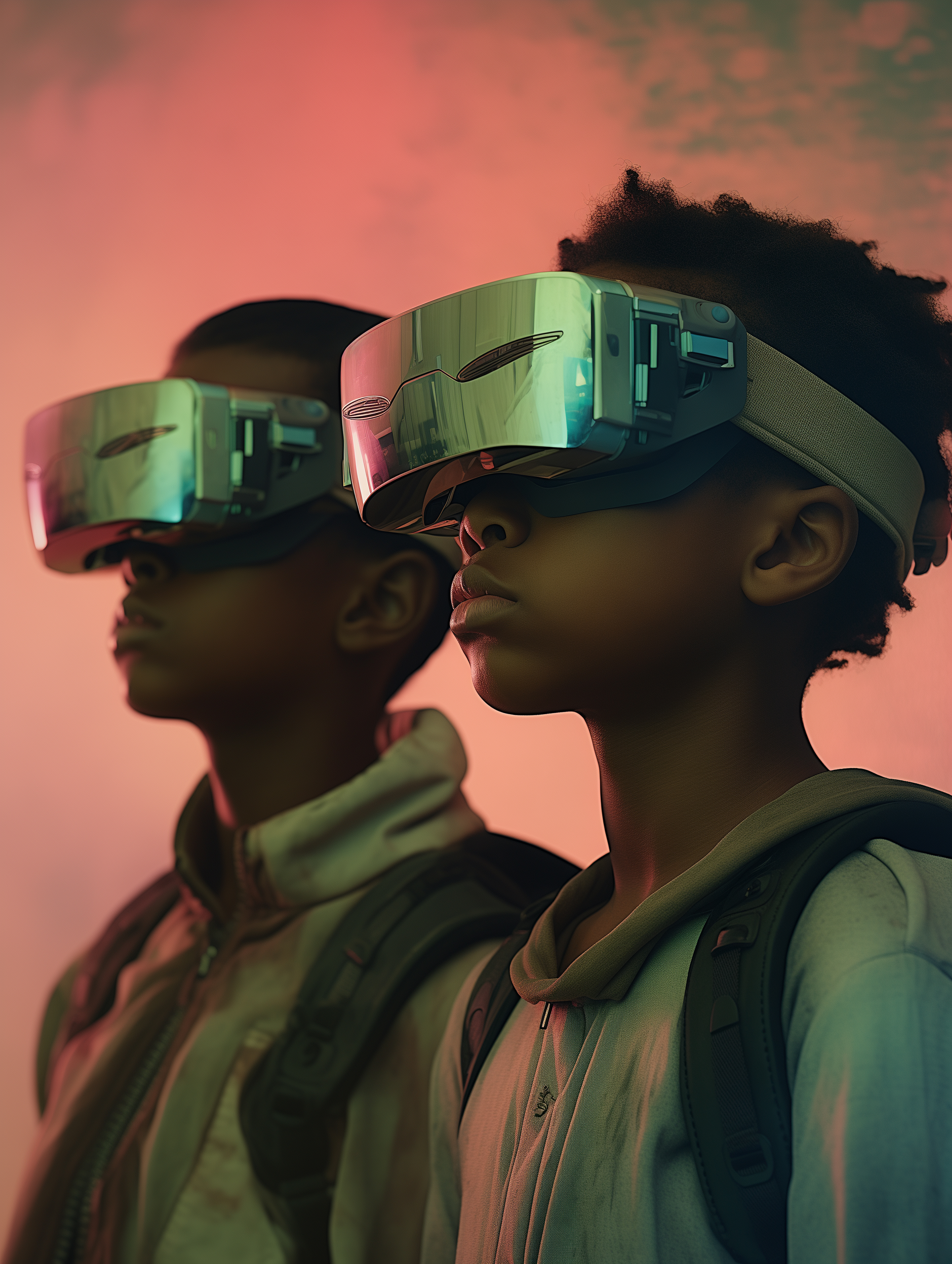
Traditional paintings, sculptures, and other physical art can last for centuries if cared for properly. Digital art, however, faces its own set of challenges. Technology changes quickly, file formats can become outdated, and storage systems might fail. Because of this, making sure digital art survives over time is now a major concern for artists, collectors, museums, and archivists.
Understanding Digital Art Preservation
Digital art preservation means keeping digital artworks safe and usable over time. It is more than just saving files on a hard drive. It also involves planning for changes in technology, making sure the right software and hardware are available, and protecting the data from loss or damage.
instance, a digital painting saved as a PNG file is usually easy to keep safe. But an interactive virtual reality artwork that needs certain software, hardware, and operating systems is much harder to preserve. Without the right efforts, people in the future might not be able to experience the artwork as it was meant to be seen.
The Rise of NFTs and Digital Ownership
NFTs have added new challenges to preserving digital art. NFTs use blockchain technology to prove who owns a digital asset and that it is authentic. However, while the blockchain is secure and spread out across many computers, the actual artwork linked to an NFT is often stored in a different place.
Many NFT artworks depend on outside storage systems or servers. If these systems go offline or the hosting service shuts down, the NFT might still exist, but the artwork itself could be lost. This shows that NFTs are not always as permanent as people might think.
While ownership can be tracked on the blockchain, keeping the actual artwork safe needs its own ongoing work.
Major Preservation Challenges
Technological Obsolescence
Of the main risks to digital art is that technology keeps changing. Software, operating systems, and hardware are always being updated.
A digital artwork made in the 1990s with old software might not open on today’s computers. In the same way, interactive art that needs special hardware may stop working if you can’t find replacement parts.
To keep digital art accessible, preservation experts often have to recreate or imitate old technology setups.
File Format Degradation
Digital files can become outdated. Some file formats are no longer supported after a while, which makes them hard to open.
To solve this problem, archivists often move artworks to newer file formats and try to keep them looking and working the same. But sometimes, this process changes the artwork a little, which can raise questions about whether it is still authentic.
Data Loss and Corruption
Digital storage is not perfect. Hard drives can break, cloud services might close, and files can get damaged.
If there are no regular backups or checks, important artworks could be lost forever. Physical art usually shows signs of aging, but digital files can suddenly become impossible to access without warning.
Preserving Interactive Experiences
Many modern digital artworks include things like interaction, movement, sound, or virtual worlds. Saving these experiences is much harder than just keeping a still image.
Curators need to record how people use the artwork, note how it behaves, and sometimes save the software code behind it. Sometimes, making sure the artist’s original idea is preserved is just as important as saving the technical parts.
The Role of Museums and Institutions
Museums and cultural groups are putting more effort into digital preservation. Organizations worldwide are setting standards for saving digital art and building special places to store it.
These groups often work with artists while the art is being made to learn about the technical needs and how to keep it safe in the future. Careful documentation helps future generations rebuild or imitate digital works, even if the original technology is gone.
Emerging Preservation Strategies
There are several new ways to help solve the problems of digital preservation.
Emulsion
Emulation means recreating old computer setups on today’s machines. By copying old hardware and software, emulation lets people experience digital art the way it was first made.
Distributed Storage
Decentralized storage keeps copies of artworks in many places, which lowers the risk of losing data. This makes digital art more reliable and easier to access.
Comprehensive Documentation
Many experts say that documentation is key. Things like screenshots, videos, source code, artist interviews, and technical notes give important details that help future conservators bring digital art back to life.
Looking Ahead
As digital art changes, the ways we preserve it must also change. Protecting digital creations is becoming more important for keeping our cultural heritage alive.
Artists, collectors, tech experts, and institutions all play a part in making sure today’s digital art is still around in the future. By working together and using new ideas and careful planning, we can protect digital art from being lost and help future generations enjoy the creativity of our time.