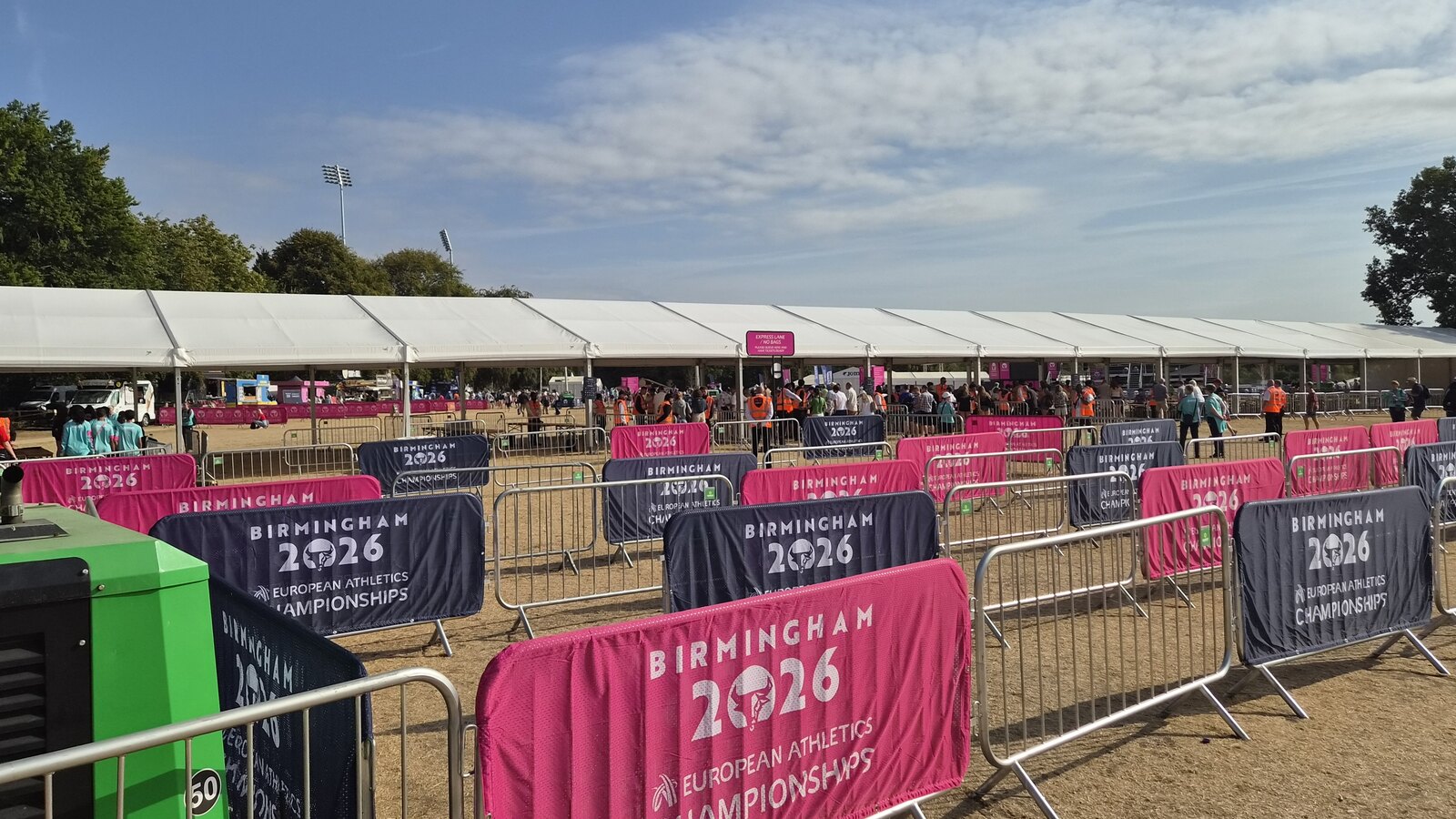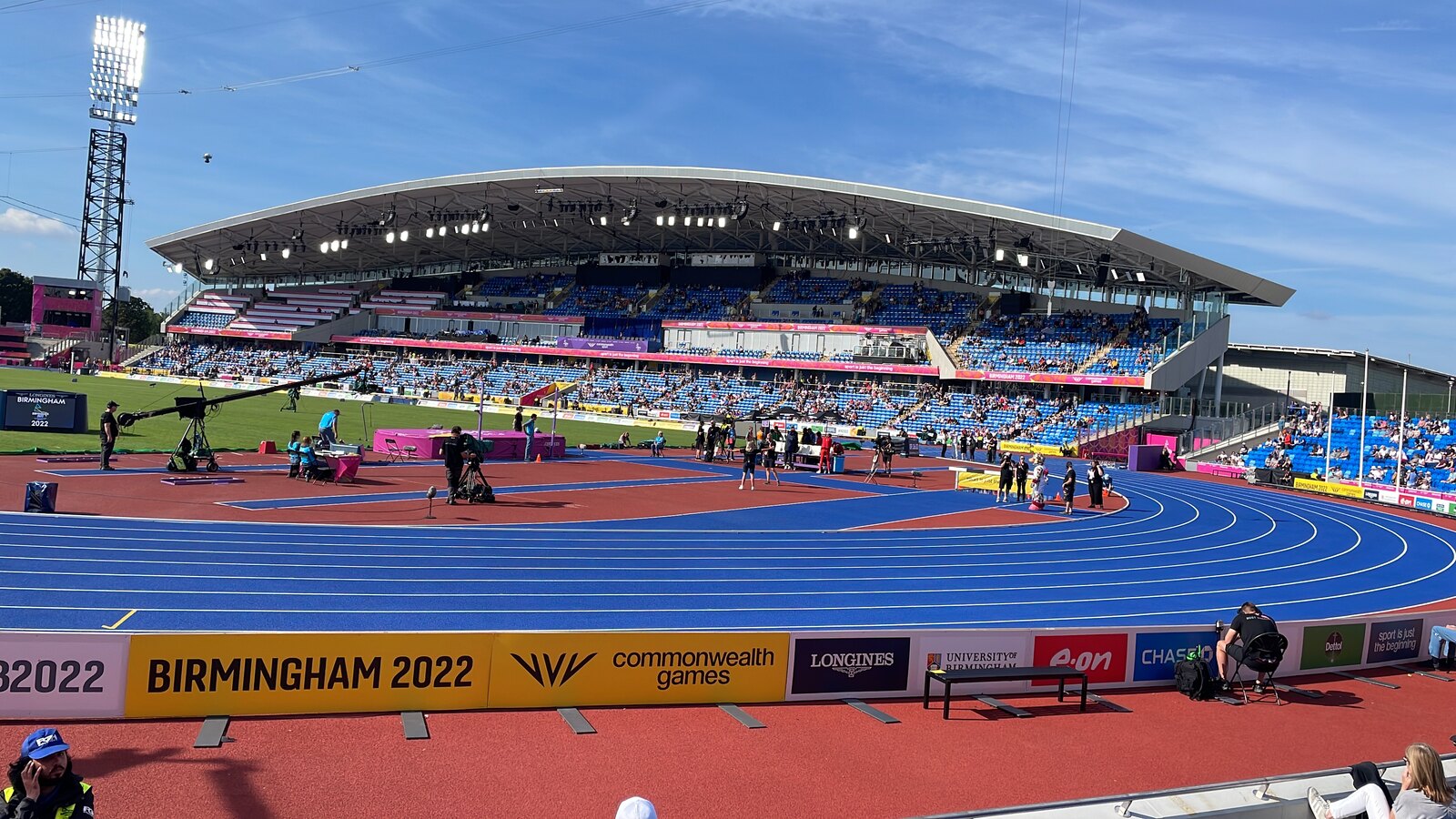

Amy Hunt moved one race from a rare European sprint sweep on Saturday night as Britain won both 4x100m relay finals at the 2026 European Athletics Championships, turning Alexander Stadium into the centre of another major athletics story in Birmingham.
The official World Athletics results listed Britain first in the women’s relay in 42.05 seconds, with Switzerland second in 43.12 and Poland third. Britain then completed the double in the men’s 4x100m final, clocking 38.45 to beat Germany and Belgium.
For Hunt, the women’s relay victory was more than another home medal. It was her third gold of the championships after winning the 100m and 200m earlier in the week, and it left her with a chance to chase a fourth in the mixed 4x100m relay on the final day.
That is why Saturday’s results carried weight beyond a single home celebration. Britain did not merely add two relay titles; it reinforced its sprint depth, extended Hunt’s breakthrough meet, and gave Dina Asher-Smith another place in European Championships history after years as one of the continent’s defining sprinters.
The night also had wider global significance. Ukraine’s Yaroslava Mahuchikh won another women’s high jump title, Germany’s Julian Weber produced a huge javelin performance, Sweden’s Andreas Almgren broke through in the 10,000m, and Ireland’s Kate O’Connor claimed heptathlon gold. It was the kind of session that can reshape a championships medal table and shift attention toward athletes who will matter in the next world season.
Britain Turned Speed Into Control
Relay finals are often decided by small mistakes rather than raw pace. A team can have the fastest athlete and still lose the race if an exchange is late, crowded or mistimed. Britain’s women avoided that trap.
Asher-Smith, Hunt, Imani-Lara Lansiquot and Success Eduan moved the baton cleanly enough to let their individual speed decide the contest. By the finish, the margin over Switzerland was more than a second, an unusually clear gap in a championship 4x100m final.
The result also showed why Britain has become one of Europe’s most reliable relay programmes. The country has produced Olympic and world-level relay teams before, but Saturday’s performance was different because it sat inside a broader sprint surge at the same championships. Hunt had already won the individual 100m and 200m. Romell Glave and Jeremiah Azu had already delivered a British one-two in the men’s 100m. The relays connected those individual results into a team statement.
Britain’s men followed with the same authority. Azu, Louie Hinchliffe, Zharnel Hughes and Glave won in 38.45, keeping Germany and Belgium behind them and completing a sprint relay sweep that matched the mood of the home crowd.
For the British team, that combination matters. Relay success is not just a medal-table boost; it is evidence of selection depth, exchange practice and trust across squads that may change from year to year. Saturday suggested Britain has all three.
Hunt Is One Race From History
Hunt’s rise has been the defining British story of the championships. Winning an individual sprint title can change an athlete’s profile. Winning two does more. Adding a relay gold at a home European Championships turns a strong week into a career marker.
The final test is whether she can extend it once more. The mixed 4x100m relay, scheduled for the final day in Birmingham, gives Hunt a route to a fourth gold of the meet. That would be an extraordinary return for any sprinter, especially because it requires both individual excellence and relay execution across different team formats.
There is also a psychological layer. Sprint championships often become harder as the rounds pile up. Athletes manage warm-ups, recovery, travel inside the venue, media obligations and the mental load of repeated finals. Hunt has had to carry all of that while becoming a focal point for the home championships.
Saturday showed she still had enough left to contribute to a decisive relay win. Whether the fourth gold comes or not, the week has already moved her from a promising British sprinter into a central figure in European athletics.
Asher-Smith Adds Another Chapter
Hunt’s surge does not erase the importance of Asher-Smith’s role. The veteran sprinter has been Britain’s sprint standard for much of the last decade, and her continued value in the relay setup remains obvious.
The Saturday victory added to a European Championships record that already includes individual titles, relay medals and long-term consistency across different championship cycles. In a relay team built around both established experience and new momentum, Asher-Smith gave Britain the kind of calm first-leg platform that makes the rest of the race easier.
That balance is important for Britain before the next global championships. Sprint programmes need transition without collapse. Younger athletes must rise, but they benefit from experienced teammates who understand championship racing. Birmingham gave Britain a clean example of that transfer in real time: Hunt became the headline, while Asher-Smith remained one of the reasons the relay machine worked.
Eduan and Lansiquot also made the result more than a two-name story. The 4x100m is unforgiving because every athlete has one lane, one zone and one task. Britain’s margin came from the whole quartet, not just the anchor of a successful week.
Mahuchikh, Weber And O’Connor Deepen The Night
Saturday was not only about Britain. Mahuchikh’s latest European high jump title gave Ukraine another major championship moment from one of the sport’s most reliable big-stage athletes. Her 1.97m clearance was enough for gold and continued a run of European dominance that has made her the benchmark in the event.
Weber’s 90.40m javelin throw gave Germany one of the standout field performances of the session. Throws beyond 90 metres change the tone of a competition immediately, and at championship level they place pressure on every rival to move into a different range.
Almgren’s 10,000m victory added another record thread to the night. His 27:23.44 run gave Sweden a distance title in emphatic style and underlined how varied the Birmingham programme has been: sprint relays, vertical jumps, throws, distance racing and combined events all produced major stories in the same session.
Ireland also had a landmark result through O’Connor in the heptathlon. Her gold, built across two days of event-to-event pressure, gave the championships another national breakthrough and widened the attention beyond the traditional medal-table leaders.
What It Means Before The Final Day
Britain’s relay double sets up the final day with momentum and pressure. The home team has sprint depth, the stadium has a clear focal point in Hunt, and the mixed relay now carries the possibility of a historic personal haul.
For the championships, Saturday also helped solve a broader question. A European meet needs more than one headline athlete to feel globally relevant. Birmingham now has Hunt’s pursuit, Mahuchikh’s continued authority, Weber’s huge throw, Almgren’s record, O’Connor’s heptathlon breakthrough and a British relay programme that looks capable of carrying its form into world-level competition.
The result also matters for how national teams measure progress. Britain can leave the championships knowing its sprint system is not dependent on a single athlete. Germany, Switzerland, Belgium, Poland, Ukraine, Sweden and Ireland all collected results that will shape selection and expectations for the next major outdoor season.
Hunt will understandably draw the loudest attention. Three gold medals before the final day is a rare position, and the chance of a fourth gives Sunday’s programme an obvious storyline. But Saturday’s deeper lesson was about breadth: Britain had the exchanges, the speed and the poise to sweep the relays, while the rest of Europe produced enough high-quality performances to keep the championships from becoming a one-team show.
That is why the Birmingham session will hold up after the medals are counted. It delivered a home sprint surge, major field-event statements, a distance record and a combined-events breakthrough in one night. For Hunt and Britain, it also opened the door to something bigger on the final day.
For more global sport, follow the latest updates in our sports section.