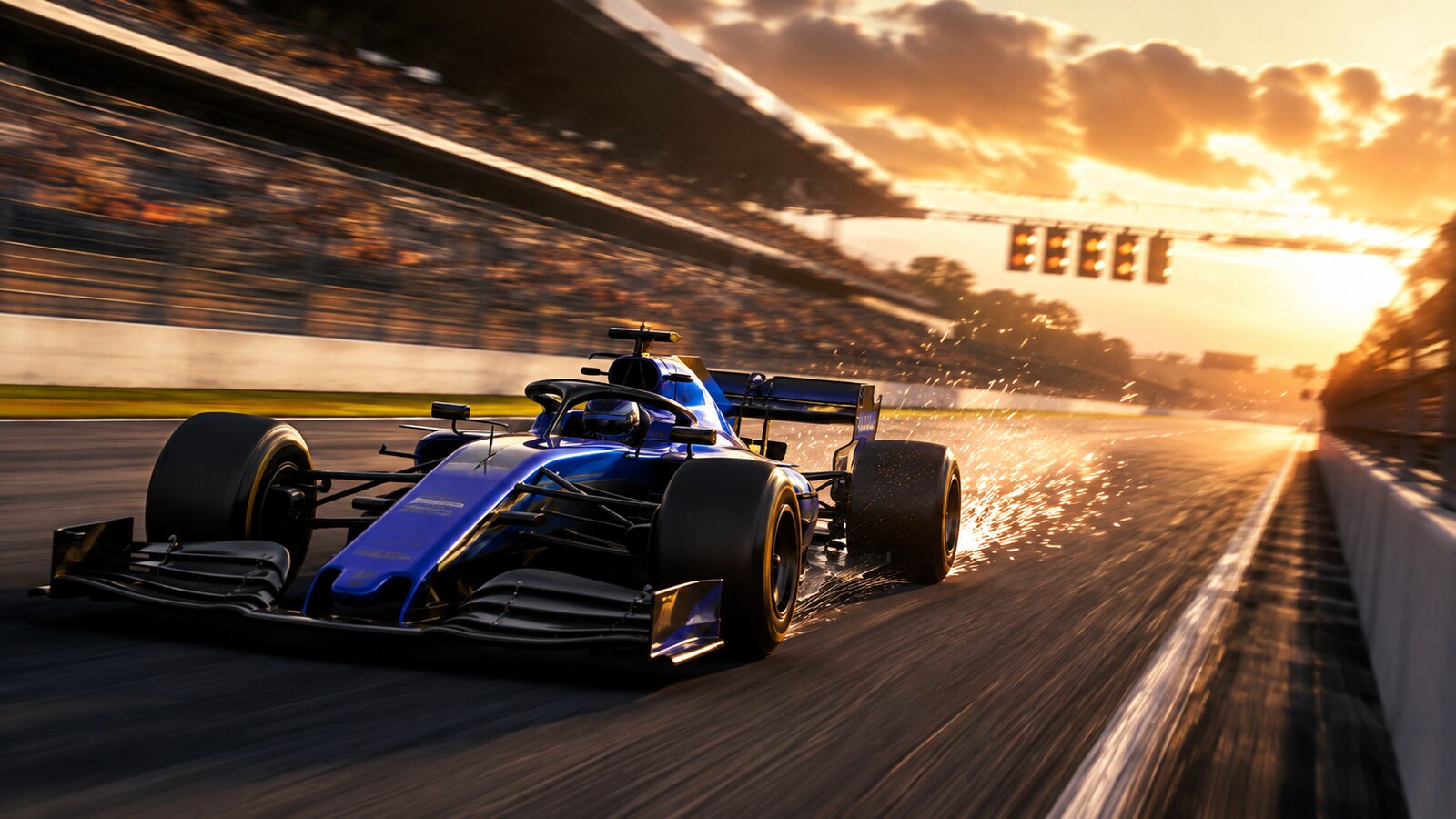
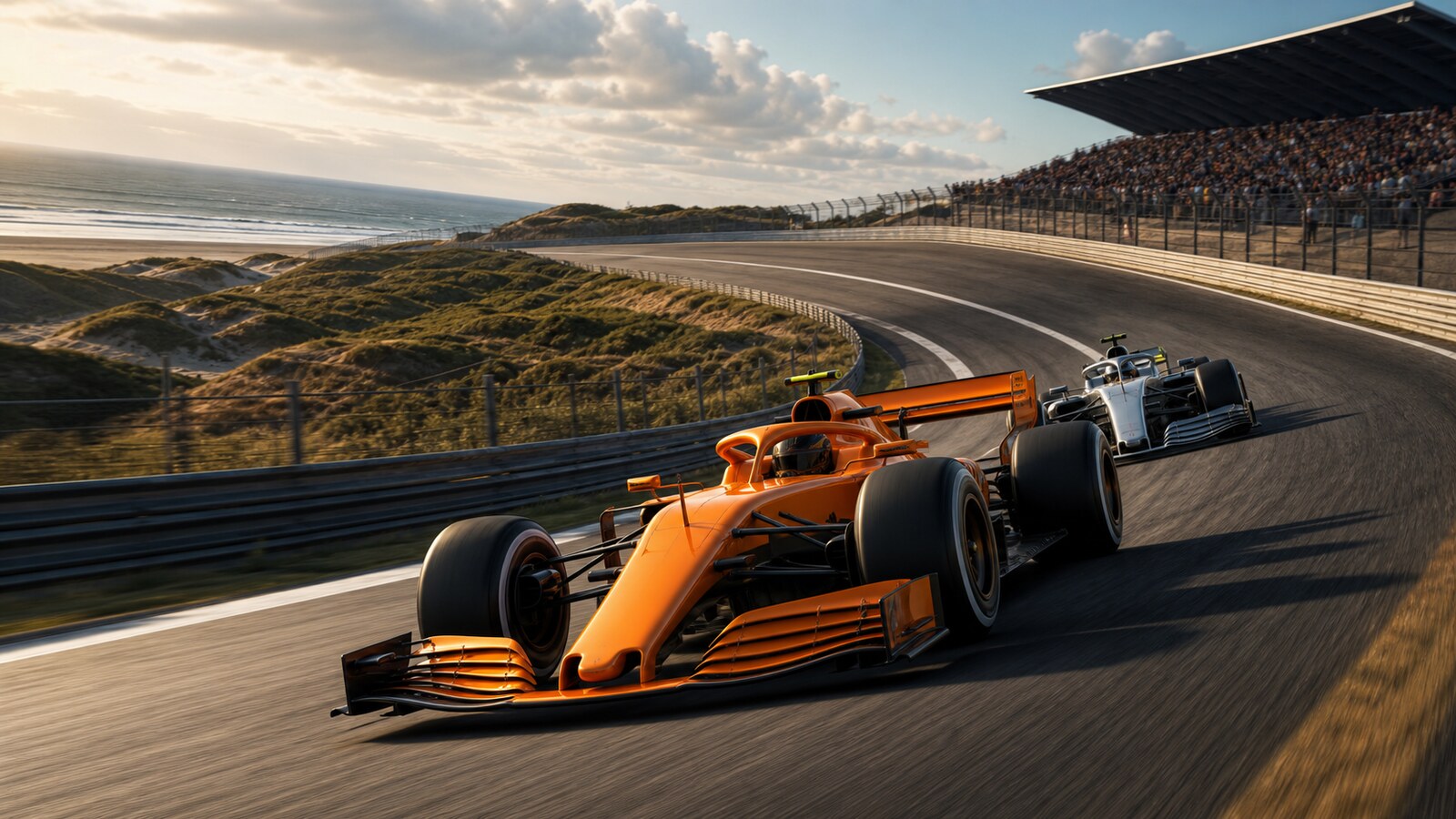
Lando Norris turned a difficult Formula 1 sprint day into Dutch Grand Prix pole position at Zandvoort, beating George Russell and championship leader Kimi Antonelli in qualifying after Russell had earlier won the 24-lap sprint from the front.
The official Formula 1 timing sheet listed Norris on pole with a 1:11.163 lap, 0.102 seconds ahead of Russell’s Mercedes. Antonelli qualified third in 1:11.296, Oscar Piastri put the second McLaren fourth, Lewis Hamilton took fifth for Ferrari and Charles Leclerc starts sixth after finishing second in the sprint.
The double-header Saturday reshaped the weekend without settling it. Russell collected eight points for the sprint win, Leclerc took seven, Norris six and Antonelli five, leaving Mercedes still in control of the championship picture but McLaren on pole for Sunday’s main race.
Why Norris’ Pole Matters
Norris’ pole was not simply a one-lap result. It came after McLaren had looked weaker over the sprint distance, especially in slower corners, and after Russell had controlled the shorter race with enough margin to underline Mercedes’ pace.
That contrast makes Sunday’s grid more compelling. Norris has clean air at a circuit where track position is valuable, but Russell starts alongside him after a sprint victory that showed Mercedes can protect tires and manage the pace. Antonelli begins directly behind them, with Piastri alongside him, giving both Mercedes and McLaren two cars inside the top four.
Zandvoort’s layout raises the stakes. The banked corners reward commitment, but the narrow racing line and short lap make overtaking difficult when cars are closely matched. If Norris holds the lead into the first sector, McLaren can control the early rhythm. If Russell gets ahead, Mercedes can turn a strong Saturday into a broader championship statement.
For Norris, the result also keeps McLaren’s recent momentum visible. He won in Hungary before the summer break and now has pole at a venue where the team has been competitive in recent seasons. The timing matters because Antonelli’s points lead remains large, but not unreachable if McLaren can convert qualifying speed into race wins.
Russell Converts Sprint Pole
Russell’s Saturday began with the job he had earned a day earlier. After taking sprint pole in Friday’s sprint qualifying, he led the sprint from the start and completed all 24 laps in 30:25.318, according to Formula 1’s official result.
Leclerc finished 1.360 seconds behind after passing Norris late, while Norris came home third, 5.196 seconds back. Antonelli was fourth, Piastri fifth, Max Verstappen sixth, Hamilton seventh and Pierre Gasly eighth for the final point.
The result rewarded Russell’s clean execution more than wheel-to-wheel drama. There were few changes among the leading cars, and that scarcity of passing is the clearest warning for Sunday. The front row may decide more than usual if race pace is close and weather does not interrupt strategy.
Russell’s sprint points moved him closer to Hamilton in the drivers’ standings. Formula 1’s updated table after the sprint listed Antonelli on 224 points, Hamilton on 171 and Russell on 168. Leclerc moved to 145, while Norris reached 134.
That leaves Russell with two goals on Sunday: pressure Norris for the race win and keep closing on his teammate and Hamilton. The sprint showed he has the pace to do the first. Qualifying second gives him a direct chance to do both.
Antonelli Protects the Lead
Antonelli’s third place on the grand prix grid is a useful recovery from a sprint in which he limited damage rather than dominated. The Mercedes rookie leads the standings, and starting third keeps him close enough to fight without taking the risks that can come with a midfield recovery drive.
His position also changes Mercedes’ strategic options. Russell starts second and needs points to tighten the title race, while Antonelli starts third and needs to protect a lead that grew earlier in the day. Team priorities could become complicated if both cars pressure Norris into the opening stops.
Hamilton’s fifth place leaves Ferrari with a harder route. He scored only two points in the sprint and now starts behind both Mercedes cars and both McLarens. Leclerc’s sixth place is similar: his sprint pass on Norris showed attacking intent, but the main race begins with Ferrari outside the first two rows.
Verstappen starts seventh at his home grand prix, a position that gives Red Bull little margin unless tire strategy, safety cars or weather create movement. Liam Lawson, Gabriel Bortoleto and Arvid Lindblad complete the top 10.
What Sunday Could Decide
The Dutch Grand Prix is scheduled over 72 laps at Circuit Zandvoort, and Saturday’s evidence points to a race built around track position, tire wear and the first pit cycle. McLaren’s qualifying speed is proven. Mercedes’ sprint pace is proven. Ferrari has enough performance to interfere if either leading team mismanages tires or traffic.
Norris’ task is direct: convert pole into victory and keep McLaren’s championship push alive. Russell’s is just as clear: use the front row to build on his sprint win and make the weekend count twice. Antonelli’s job is more subtle but equally important: stay close, avoid a costly swing and leave Zandvoort with his lead intact.
The story is a meaningful second chapter to Friday’s Dutch GP sprint qualifying result. That session put Russell at the front of the short race. Saturday then split the weekend in two: Russell won the sprint, but Norris took the starting point that matters most for the grand prix.
Formula 1 weekends with this much compression often turn on execution rather than raw pace alone. GDU has seen the same pattern in recent motorsport coverage, including MotoGP’s Silverstone sprint and the British GP race that followed. Zandvoort now offers Formula 1’s version: a pole sitter with momentum, a sprint winner alongside him and a championship leader starting close enough to change the race.