
The world is now likely to cross the Paris Agreement’s 1.5C warming threshold within the next few years, but governments can still reduce the height and duration of that overshoot if they move faster on emissions cuts, adaptation and carbon dioxide removal, the United Nations Environment Programme said in a new report.
The report, titled Limiting Overshoot, shifts the climate debate from whether 1.5C can be avoided to what happens if the world passes it, how quickly warming peaks, and how much damage can be limited before temperatures are brought back down. That makes it a major global policy story for energy, finance, food security, insurance, infrastructure and diplomacy.
UNEP said the “best-case” assessed pathway would hold peak warming to about 1.8C before returning below 1.5C later in the century. Other pathways lead to higher and longer overshoot. The agency’s central message is blunt: every fraction of a degree matters, and a temporary breach is not a reason to slow down.
What The UNEP Report Says
UNEP’s assessment says limiting overshoot requires three things at the same time: deeper near-term emissions cuts, faster preparation for climate impacts, and credible methods to remove carbon dioxide from the atmosphere. None can substitute fully for the others.
Rapid emissions cuts remain the first priority because they determine when global temperatures peak. Adaptation is needed because communities are already facing stronger heat, floods, drought, wildfire risk, sea-level pressure and health threats. Carbon dioxide removal becomes more important in overshoot scenarios because bringing temperatures back down requires net-negative emissions after the world reaches net zero.
That combination matters because overshoot is not a simple detour. A warmer peak can increase irreversible or long-lasting damage, including losses to ecosystems, glaciers, coral reefs and coastal communities. It can also raise the chance that governments face repeated crises before adaptation systems are ready.
Associated Press, citing UNEP’s findings, reported that the world is on course to pass 1.5C within years even under optimistic assumptions. The Guardian reported that the report calls for steep emissions reductions this decade and next, alongside a large expansion of adaptation finance and carbon-removal capacity.
Why 1.5C Still Matters
The 1.5C target became central to climate diplomacy because small temperature differences translate into large differences in risk. A world at 1.5C is not safe, but a world at 1.8C, 2C or beyond carries greater danger for water supplies, crop yields, coastal flooding, heat stress and biodiversity.
That is why UNEP framed overshoot as a risk-management problem, not a surrender of the Paris goal. A lower peak means fewer people and ecosystems are exposed to the most severe conditions. A shorter overshoot means less time for climate impacts to accumulate. A faster return below 1.5C reduces the probability that temporary warming locks in permanent losses.
For governments, the distinction is practical. Energy policy, building codes, transport investment, insurance rules, disaster planning and public-health systems all depend on how much warming they must withstand. Companies and investors face the same question through supply chains, asset values, transition plans and physical climate risk.
Recent GDU coverage of NOAA’s July heat report showed how heat, ocean warmth and drought pressure can converge in one monthly dataset. UNEP’s report is broader: it asks whether global policy is moving fast enough to stop those signals from becoming the baseline.
Carbon Removal Cannot Replace Emissions Cuts
One of the report’s most important warnings concerns carbon dioxide removal. UNEP says removal will be needed in scenarios that bring temperatures back below 1.5C after overshoot, but relying too heavily on future removal would be risky.
Nature-based approaches such as forest restoration, peatland protection and soil carbon can help, but they are vulnerable to fire, drought, pests, land conflict and monitoring problems. Engineered approaches such as direct air capture are still expensive, energy-intensive and small compared with the scale of global emissions.
That does not make carbon removal irrelevant. It means policy has to separate credible, measurable removal from speculative promises. The first task is still to cut fossil-fuel emissions, methane and other greenhouse gases quickly enough to reduce the amount of warming that later has to be reversed.
Scientists quoted by the Science Media Centre described overshoot as dangerous because climate impacts do not pause while policymakers wait for future technologies to mature. The policy challenge is therefore sequencing: reduce emissions now, scale durable removal carefully, and protect people from impacts already arriving.
Adaptation Moves To The Center
The report also makes adaptation more urgent. If 1.5C is crossed soon, heat-health plans, flood defenses, water management, early-warning systems, crop resilience and climate-aware infrastructure will become even more important for countries at every income level.
Low-income and climate-vulnerable countries face the sharpest gap because they often contributed the least to historical emissions while carrying heavy exposure to storms, drought, food-price spikes and debt pressure. That turns overshoot into a finance and development issue, not only an environmental one.
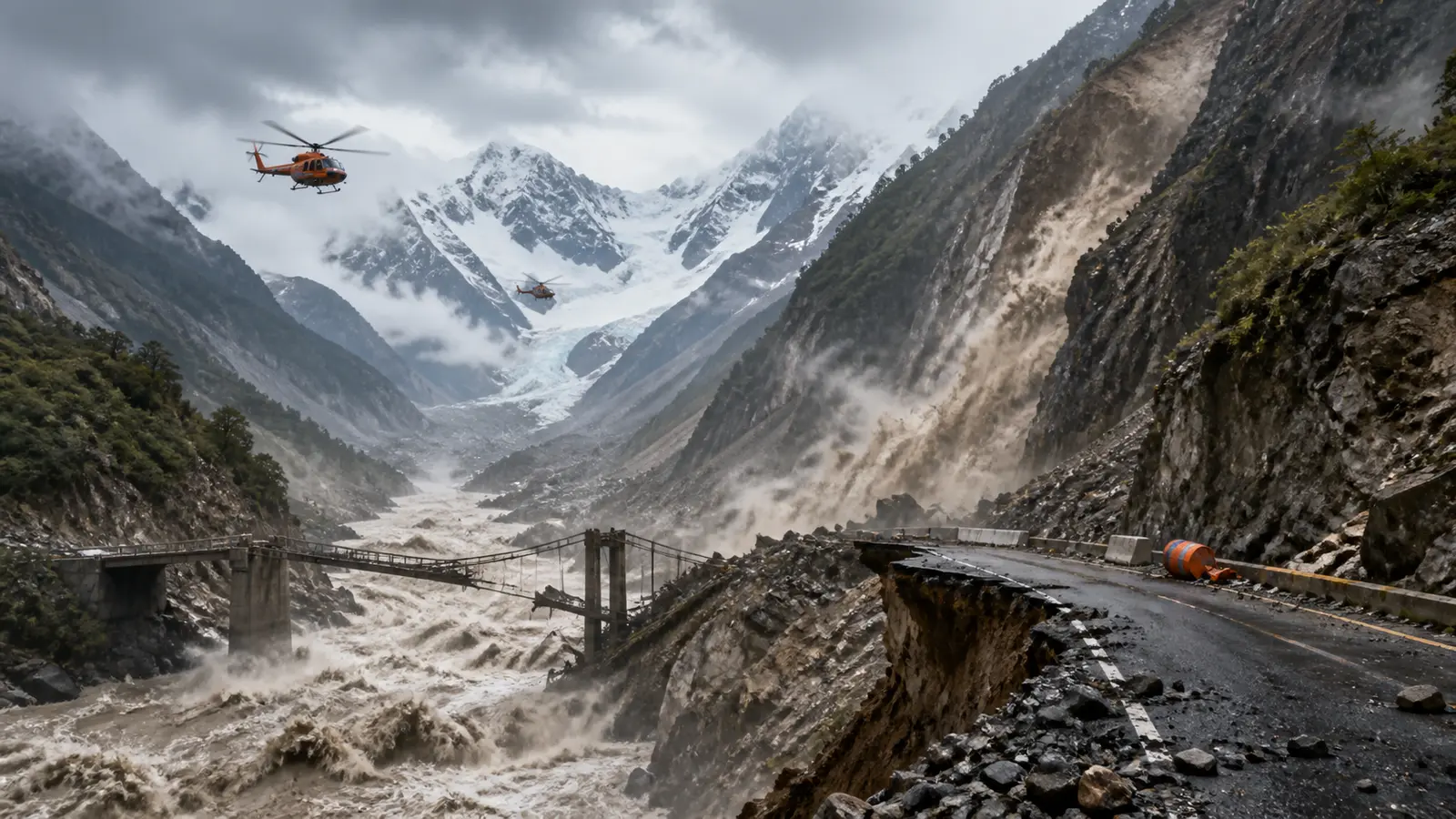
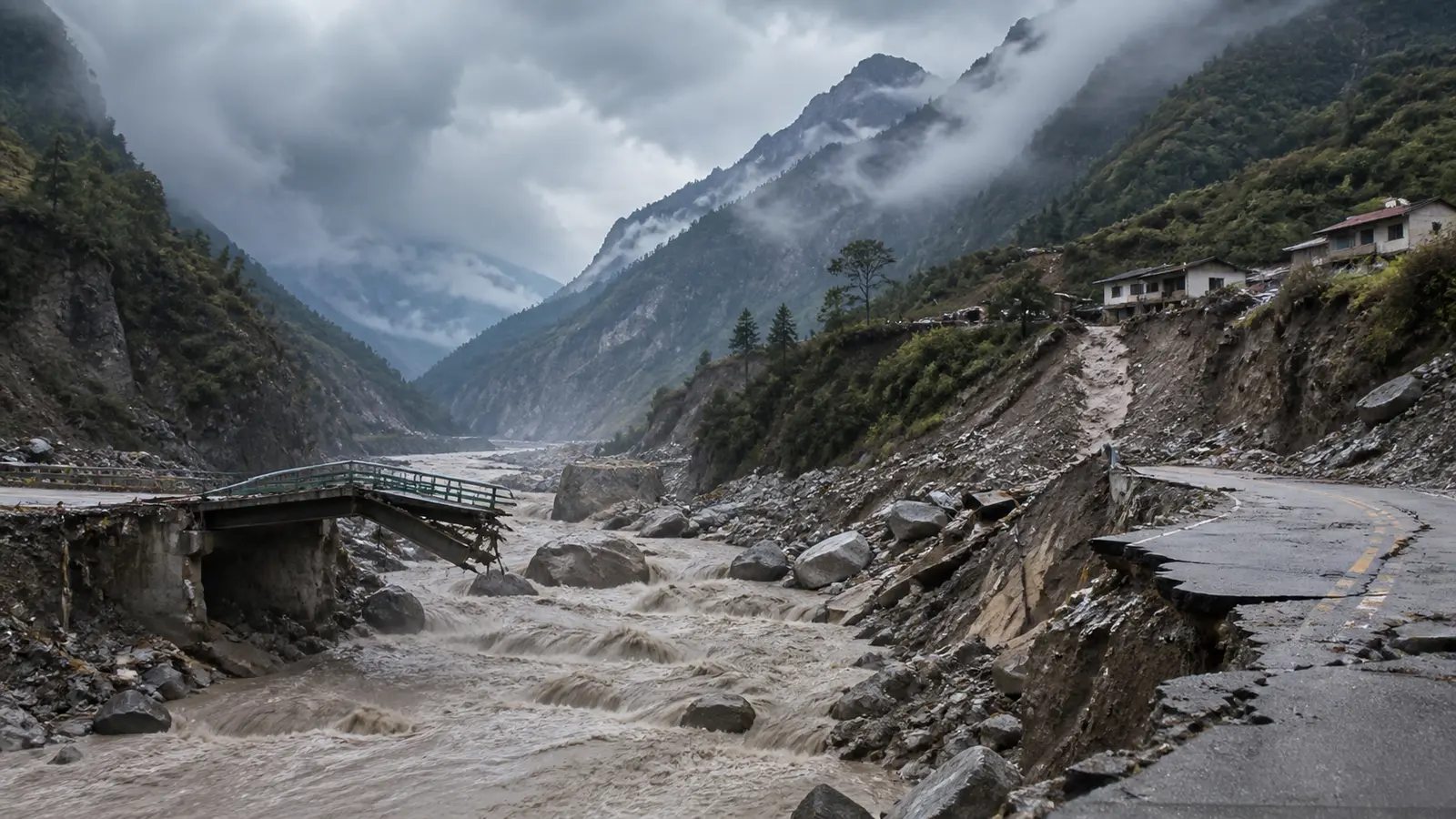
The same dynamic is visible in recent disasters. GDU’s coverage of Nepal and Tibet flood risks showed how climate-related hazards can overlap with tourism, transport and hydropower exposure. Western Europe’s heat record showed that wealthy regions also face stress across energy, water and public-health systems.
UNEP’s warning links those events to a larger policy test. If the world is entering an overshoot period, adaptation must be funded and built before losses rise further, while mitigation has to keep reducing the future peak.
What To Watch Next
The first marker is the next round of national climate plans. Stronger 2035 targets would show whether governments are aligning near-term policy with the lower-overshoot pathways described by UNEP. Weak plans would push the world toward a higher and longer breach.
The second marker is finance. Adaptation funding, clean-energy investment, methane reduction, grid expansion and carbon-removal governance all require capital, but the costs will fall unevenly across countries and sectors.
The third marker is credibility. Governments and companies will face more scrutiny over whether net-zero plans rely on real emissions cuts or distant removal assumptions. Investors, insurers and regulators are likely to look harder at plans that postpone action while counting on future technology.
The fourth marker is public communication. Passing 1.5C for a period would be politically and emotionally significant, but the report’s message is not that climate targets have become meaningless. It is that the difference between 1.6C, 1.8C and 2C will shape lives, markets and ecosystems for decades.
That makes the UNEP 1.5C overshoot report a warning and a policy map. The threshold may now be close, but the scale of future damage still depends on decisions being made now.