President Donald Trump’s threat against Oman has turned a technical shipping negotiation with Iran into a wider test of Gulf security, energy-market confidence and the limits of U.S. pressure in the Strait of Hormuz.
Iran said it was working with Oman on a plan for vessels to transit the strait, the narrow waterway that links the Persian Gulf to the Gulf of Oman. At the same time, a 60-day window for a broader U.S.-Iran understanding was expiring with Washington and Tehran still far apart on how the chokepoint should be managed.
Associated Press reported that Trump again warned Oman as Muscat worked with Tehran on a Hormuz arrangement. Argus Media reported that the White House confirmed Trump’s remarks after an interview in which he threatened military action if Oman hindered U.S. efforts around the Iran deal.
The issue is no longer only whether ships can physically pass through the strait. It is whether governments, insurers, energy companies and naval forces can trust any route plan while the United States, Iran and Gulf states disagree over who sets the rules.
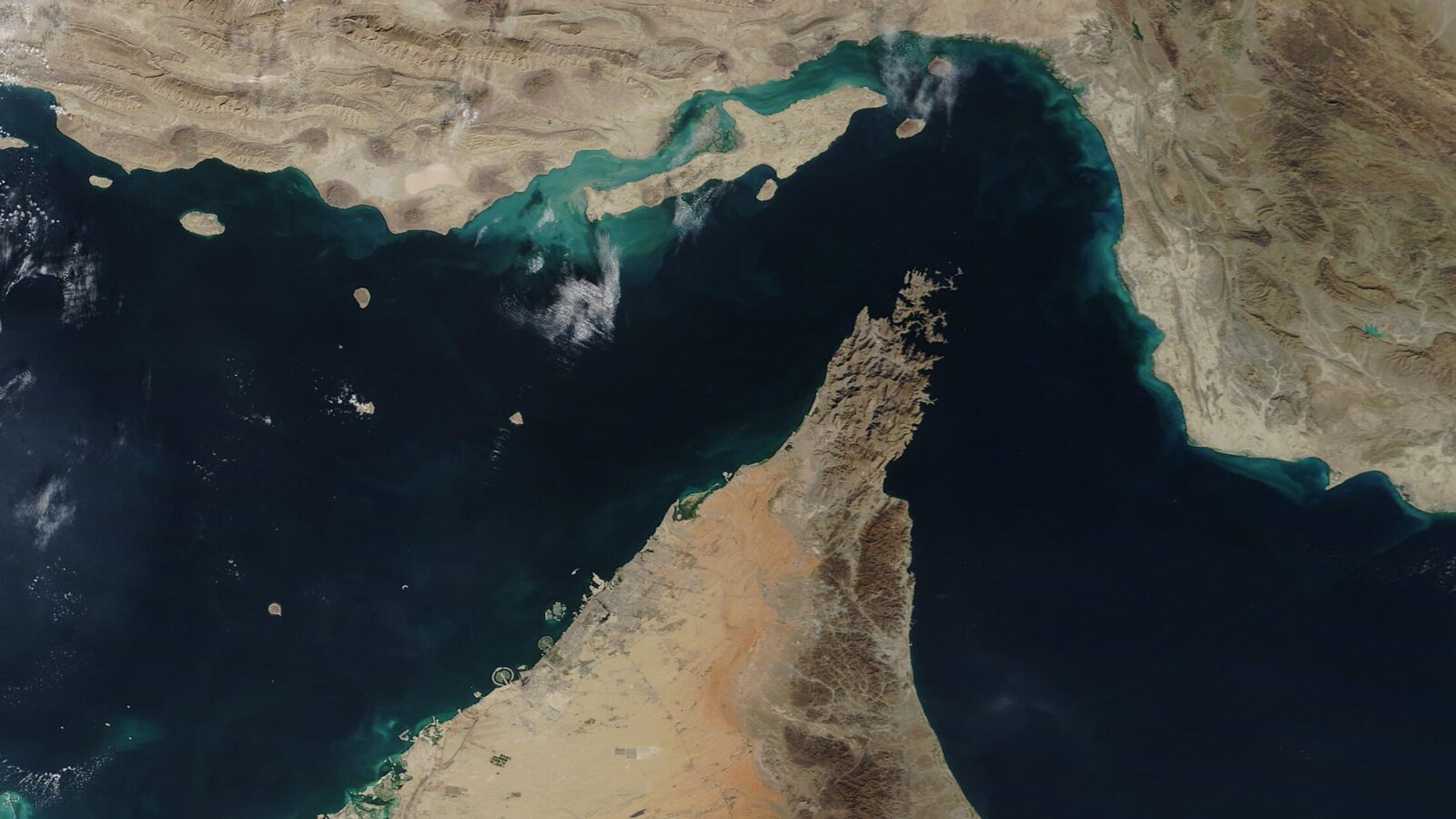
The dispute matters globally because Hormuz is one of the world’s most important energy corridors. NASA’s MODIS program describes the strait as roughly 21 miles wide at its narrowest point, with a large share of seaborne oil and liquefied natural gas moving through narrow shipping lanes between Iran and the Arabian Peninsula.
What Changed
The immediate trigger is Iran’s claim that talks with Oman are moving toward a route framework. Iran’s Foreign Ministry said earlier this month that the two countries had agreed on geographical parameters for a proposed route and were reviewing a joint statement. On Monday, Iranian officials said the sides were still working to finalize details.
That matters because Oman is not a peripheral actor in this dispute. The Musandam Peninsula sits on the southern side of the strait, opposite Iran. Any practical transit arrangement must consider the interests of both littoral states, even if outside powers have naval forces, energy customers and security commitments in the region.
Washington’s objection is that a bilateral Iran-Oman arrangement could weaken U.S. leverage while the United States seeks broader concessions from Tehran. The United States has also been pressing for secure shipping and conditions tied to its blockade pressure on Iranian ports.
The timing adds pressure. AP and CBS reported that the 60-day negotiating period linked to the U.S.-Iran crisis was ending without a clear extension. Argus reported that Iran’s Foreign Ministry argued the deadline was no longer relevant because Tehran says the process had already broken down.
That leaves three separate tracks colliding at once: U.S.-Iran diplomacy, Iran-Oman route talks and the commercial need for predictable shipping through Hormuz.
Why Oman Is Central
Oman has long played a quiet diplomatic role in Gulf disputes. It often speaks with both Washington and Tehran, which makes it useful when direct talks are frozen. In this case, however, that same role has become politically risky.
If Oman helps define a safe route with Iran, it may reduce immediate shipping uncertainty. But if Washington views that route as a challenge to U.S. pressure, Muscat could find itself caught between mediation and confrontation.
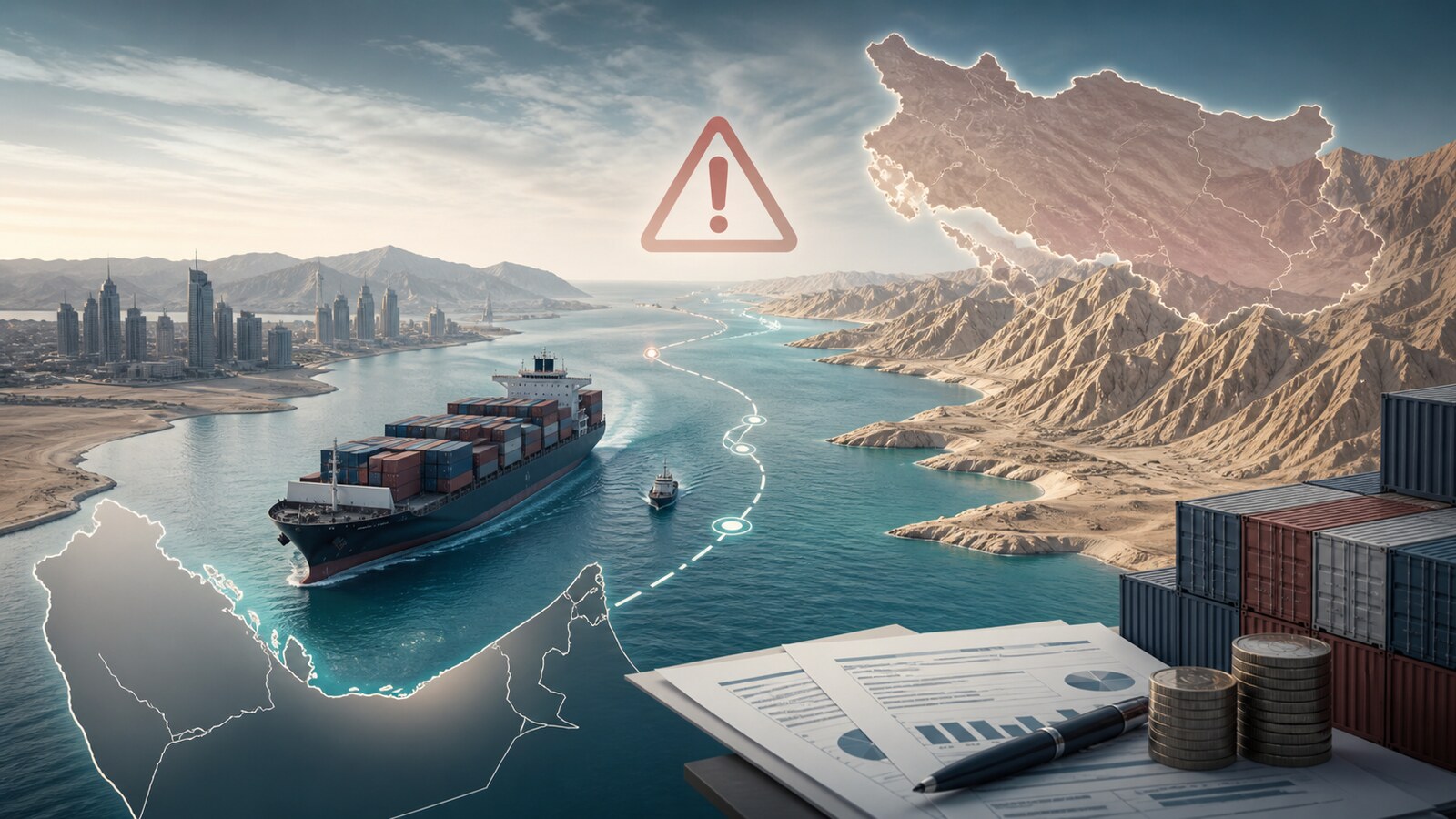
For shipping companies, the question is practical rather than diplomatic. They need to know whether a vessel can enter, cross and exit the strait without becoming a target, being diverted or violating competing instructions from regional and outside powers.
That uncertainty has grown since recent attacks and warnings in the waterway. Global Daily Update reported last week that ADNOC-linked vessel attacks had already pushed energy security back onto the agenda. The Oman dispute adds a diplomatic layer to the same commercial risk.
The Energy Market Risk
Hormuz disruptions can affect oil prices, gas supply expectations, freight rates and war-risk insurance long before a full closure happens. Traders respond to probability, not only confirmed outages.
If route talks fail, shipowners may demand higher premiums to enter the area. If the United States rejects an Iran-Oman framework, companies may hesitate to rely on it. If Iran sees U.S. pressure as an attempt to control the strait, the risk of further maritime incidents rises.
The result is a confidence problem. Gulf producers need customers to believe exports can move. Importing countries need predictable cargo timing. Insurers need a clear assessment of threat levels. Naval forces need rules of engagement that do not turn a commercial transit into a military escalation.
None of those conditions is stable when a technical navigation plan becomes part of a public threat exchange.
What The Sources Confirm
The confirmed facts are narrower than the political noise around them. Iran and Oman have been discussing operational arrangements for commercial shipping through the strait. Iran says route parameters have been agreed and a joint statement is being finalized. The United States objects to any arrangement that it believes undermines its pressure campaign against Tehran.
AP reported Trump’s warning to Oman and linked it to the expiring negotiation window. Argus reported White House confirmation of the threat and said the June 18 understanding had been meant to open a process around the war, Iran’s nuclear program and safe passage through Hormuz. CBS reported earlier this month that Iran-Oman talks were focused on vessel movement and route management rather than a simple reopening announcement.
The public record does not yet show a signed Oman-Iran statement, a new U.S.-Iran agreement or a detailed enforcement mechanism accepted by all sides. That is the critical gap.
Without that mechanism, shipping companies face overlapping claims: Iran and Oman discussing route control, the United States insisting on leverage over Tehran, and Gulf exporters needing safe movement regardless of the diplomatic argument.
What To Watch Next
The first marker is whether Oman and Iran release a joint statement. If they do, the wording will matter: whether it describes a voluntary corridor, a mandatory route, inspection procedures, tolls, security coordination or limits on military activity.
The second marker is Washington’s response. A public rejection from the White House or Pentagon would tell shipping companies that the route has not reduced geopolitical risk. A quieter response could give Muscat more room to keep mediating.
The third marker is market behavior. Oil and LNG prices, tanker bookings, insurance premiums and ship-tracking patterns will show whether commercial operators believe the strait is becoming safer or more dangerous.
The fourth marker is whether U.S.-Iran diplomacy restarts. If the 60-day deadline simply expires, the Hormuz route question may become a substitute battlefield for the wider dispute over Iran’s nuclear program, sanctions, port access and regional military posture.
The Hormuz crisis is now less about a single incident and more about governance of a chokepoint. Ships can cross only when there is water, route clearance and confidence. The water is there. The route clearance and confidence are now the contested parts.