President Donald Trump’s order to scale back joint military exercises with South Korea has turned an annual readiness drill into a wider test of U.S. alliance policy in Asia.
The instruction came just before Ulchi Freedom Shield, the allies’ major August exercise, was due to begin. The drills are designed to rehearse combined defense against North Korean threats, and this year’s schedule was expected to run from August 17 to August 27 with about 18,000 South Korean troops involved.
Trump said the drills were too costly and sent the wrong signal to North Korea. He also tied the decision to Seoul’s refusal to join U.S. efforts related to Iran, a rare public linkage between a Northeast Asia defense exercise and a separate Middle East security dispute.
The timing matters because the exercise was already sensitive. North Korea had criticized the drills before they began, while U.S. and South Korean officials had described them as defensive training intended to keep the alliance ready for modern threats, including drones, cyberattacks, GPS disruption and complex combined operations.
The immediate question is not whether Washington and Seoul remain treaty allies. They do. The sharper question is whether a last-minute political order can reduce training value, complicate command planning and signal uncertainty to North Korea, China, Japan and other regional governments watching U.S. commitments.
What Trump Ordered
Trump directed the Pentagon to substantially reduce the drills after saying it was too late to cancel them outright. International reports said his comments referred to the scheduled Ulchi Freedom Shield exercise, which is one of the alliance’s recurring tests of command coordination and field readiness.
The order did not immediately clarify which portions of the exercise would be reduced. That distinction matters. Command-post simulations, field maneuvers, live-fire events, logistics drills and multinational coordination all serve different purposes. Cutting one part can have a different effect from cutting another.
South Korea’s defense establishment had prepared for the exercise as scheduled. Reports from Seoul said the drills were set to proceed, even as the political instruction from Washington created uncertainty over the final scale.
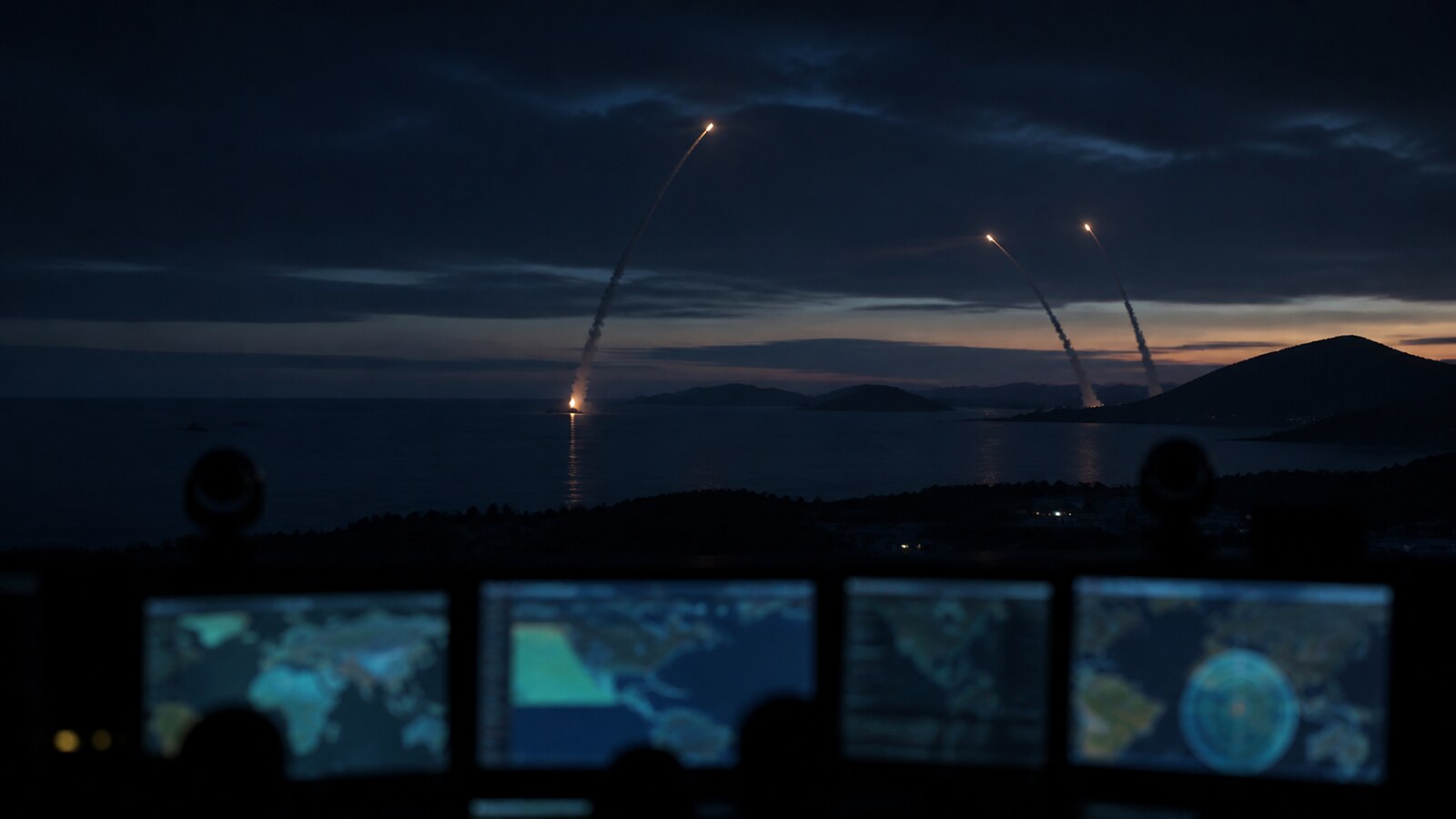
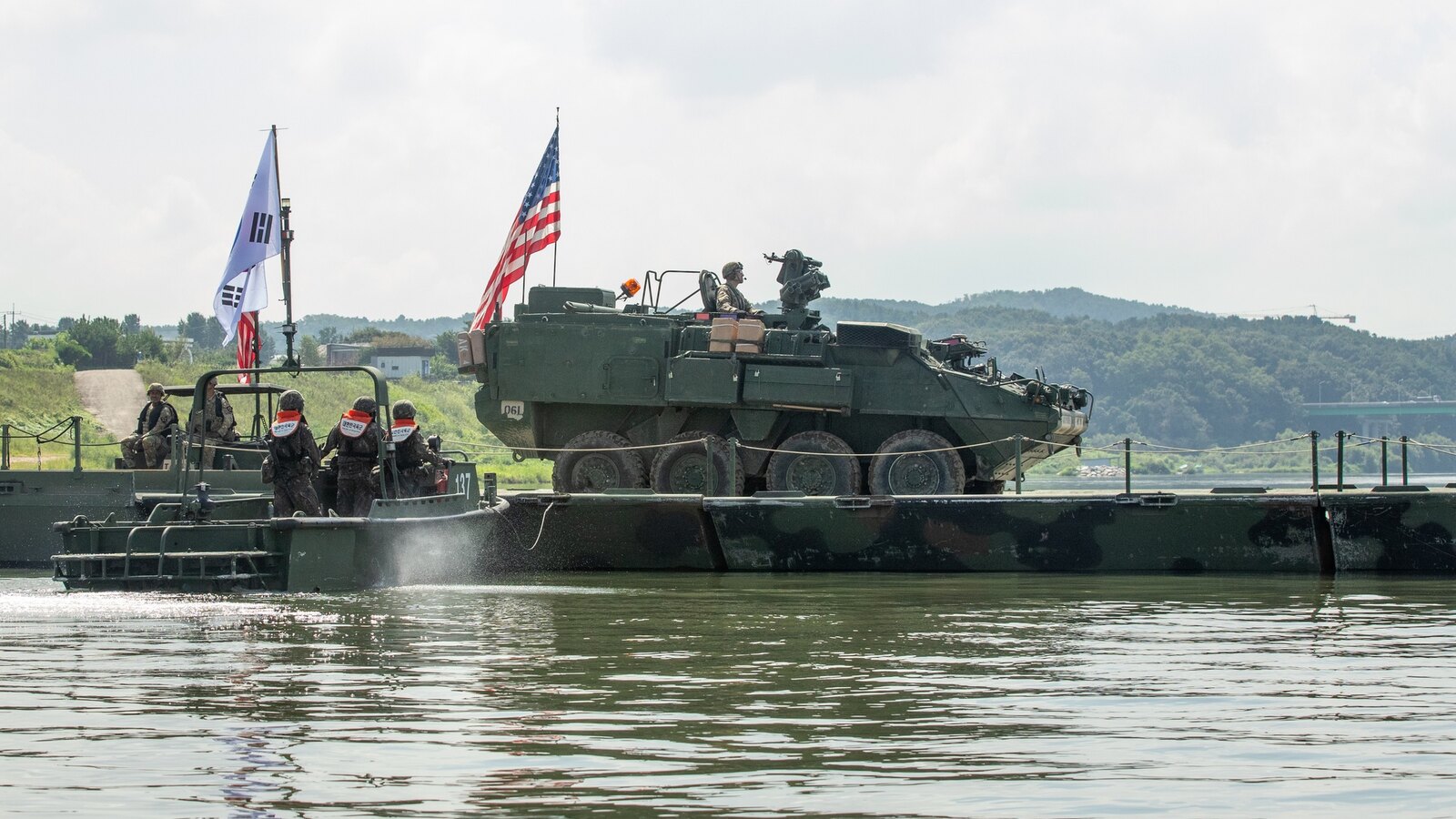
For military planners, uncertainty itself has a cost. Exercises are not only public signals. They are practical rehearsals for communications, air and missile defense, movement of forces, supply chains, medical support, bridge crossings, cyber response and command decisions under pressure.
If a drill is reduced after months of preparation, commanders may still salvage training value. But allies and adversaries also read the process. A sudden reduction can suggest that political messaging has overtaken military planning, especially when the stated reason includes a personal relationship with North Korean leader Kim Jong Un.
Why Ulchi Freedom Shield Matters
Ulchi Freedom Shield is part of the infrastructure of the U.S.-South Korea alliance. U.S. Forces Korea describes these exercises as combined, joint, all-domain and interagency training meant to strengthen the allied defense posture and improve response capabilities against a range of threats.
That language can sound bureaucratic, but the practical meaning is direct. South Korea faces a heavily armed North Korea with ballistic missiles, artillery, cyber units and nuclear ambitions. The United States maintains forces on the peninsula and has broader commitments to regional deterrence. Both militaries need rehearsed procedures before a crisis, not improvised coordination during one.
The 2026 exercise had gained extra importance because officials had emphasized lessons from evolving warfare. North Korea’s military cooperation with Russia has raised concern that Pyongyang is learning from the war in Ukraine, including drone use, electronic warfare and battlefield adaptation. Those are exactly the kinds of threats modern alliance drills are meant to absorb.
The exercise also sits within a wider Indo-Pacific security picture. Japan, the Philippines, Australia and other partners watch how Washington treats its South Korean alliance because those signals shape confidence in U.S. deterrence across the region. A change in Korea policy can therefore echo beyond the Korean Peninsula.
North Korea’s Opening
North Korea regularly condemns U.S.-South Korea drills as rehearsals for invasion. Washington and Seoul say the exercises are defensive, but Pyongyang has often used them as a reason to issue warnings, test weapons or justify military expansion.
Trump’s order gives North Korea a different kind of opening. Instead of facing a unified allied message that the drills are necessary and defensive, Pyongyang can point to the U.S. president’s own criticism of the exercise as costly and hostile.
That does not mean North Korea will reciprocate. Previous pauses or reductions in allied exercises have not produced durable denuclearization. The diplomatic history since the collapse of U.S.-North Korea talks in 2019 shows how difficult it is to convert gestures into verified limits on weapons programs.
The risk for Washington is that a reduction may be interpreted as a concession without a matching North Korean step. The risk for Seoul is that its security planning becomes more dependent on political mood in Washington at the exact moment North Korea is improving missiles, cyber capabilities and battlefield experience.
Seoul’s Dilemma
South Korea has to manage the order carefully. Publicly challenging Washington could make the alliance dispute worse. Quietly accepting a major reduction could invite domestic criticism that Seoul is losing influence over its own defense calendar.
President Lee Jae Myung’s government has also sought room for diplomacy with the North. That creates a delicate balance: Seoul may welcome lower tension in principle, but it still needs credible readiness. Deterrence and dialogue are not substitutes. In Korea policy, they usually depend on each other.
The domestic politics are equally sensitive. South Koreans live with the direct consequences of North Korean military risk. Any sign that U.S. security commitments are becoming transactional can sharpen debate over defense spending, operational control, missile defense and whether Seoul should seek more independent military options.
Trump’s reference to South Korea’s refusal to support U.S. efforts over Iran adds another complication. It suggests alliance cooperation in one region may be judged against political support in another. For a treaty ally, that raises uncomfortable questions about whether defense commitments are being treated as linked bargaining chips.
Wider Alliance Signal
The decision comes during a period when U.S. resources and attention are stretched by crises in multiple regions. Recent Global Daily Update coverage of Hormuz energy risk and Gaza diplomacy showed how Middle East security questions are already absorbing Washington’s bandwidth. A visible shift in Korea drills reinforces the perception that one theater can affect another.
That perception matters because deterrence is partly psychological. Adversaries assess capability, but they also assess consistency. Allies assess the same thing before deciding how much risk to take, how much money to spend and how closely to align with Washington.
For the United States, reducing an exercise may be presented as a way to lower tension with Pyongyang. But without a clear reciprocal commitment, the move could also weaken the routine habits that make the alliance credible in a crisis.
For South Korea, the next few days will show how much of Ulchi Freedom Shield survives in practice. If core command and field training continues, the immediate military damage may be limited. If major elements are removed abruptly, the decision could become a larger argument over alliance readiness.
The most important signal may be what comes after the exercise. If Washington and Seoul explain a coherent plan for deterrence, diplomacy and future training, the alliance can absorb the disruption. If the reduction remains vague and politically framed, North Korea may treat it as evidence that pressure and personal diplomacy can divide allied planning.
That is why Trump’s Korea drills order is more than a scheduling change. It is a test of whether one of America’s most important Asian alliances can keep military readiness steady when presidential politics, North Korea diplomacy and Middle East tensions collide.