
United Nations investigators say foreign recruitment and external support networks are helping sustain Sudan’s war, strengthening the military capabilities of the country’s warring parties and widening civilian harm far beyond the front lines.
The Independent International Fact-Finding Mission for the Sudan published its report to the UN Human Rights Council on Thursday. The document says the conflict between the Sudanese Armed Forces and the paramilitary Rapid Support Forces is being prolonged by weapons flows, logistics routes, foreign fighters, training, financing and drone technology.
The finding raises the stakes for the UN Security Council, regional governments and countries accused of allowing support networks to operate through their territory. Sudan’s war has killed at least 59,000 people, displaced about 13 million and pushed several areas toward famine, according to figures cited by Associated Press.
What The UN Report Says
The UN mission says it has reasonable grounds to believe that a transnational network supplied the Rapid Support Forces with weapons, logistics, training and foreign personnel, including Colombian contractors linked to advanced weapons and drone systems.
Investigators said individuals and entities operating from, registered in, or linked to the United Arab Emirates played a significant role in recruitment, financing, transportation and military-related support benefiting the RSF. The UAE has repeatedly denied militarily backing the RSF.
The report also says external support to the Sudanese army remains under investigation. Its findings on the army are described as preliminary, but the mission said foreign-supplied drones appeared to have expanded the army’s strike capabilities.
That distinction matters. The UN is not presenting every allegation with the same level of certainty. It makes stronger findings about RSF support networks while saying more work is needed on external backing for the army.
Why Drones Have Changed The War
The report points to drones as one of the clearest signs that outside technology is reshaping the conflict.
UN investigators said both sides have used drones in attacks affecting civilians and civilian infrastructure, and that some incidents may amount to war crimes. The mission said drone warfare has extended the geographic reach of hostilities, allowing strikes far from immediate battle lines and helping the war continue through conditions that previously slowed ground operations.
That shift has implications beyond Sudan. Cheap drones, foreign technicians and cross-border supply chains can give armed groups and state forces new reach without requiring traditional air forces. For civilians, the result is a wider danger zone: markets, hospitals, schools, places of worship, displacement sites and power infrastructure can all become vulnerable.
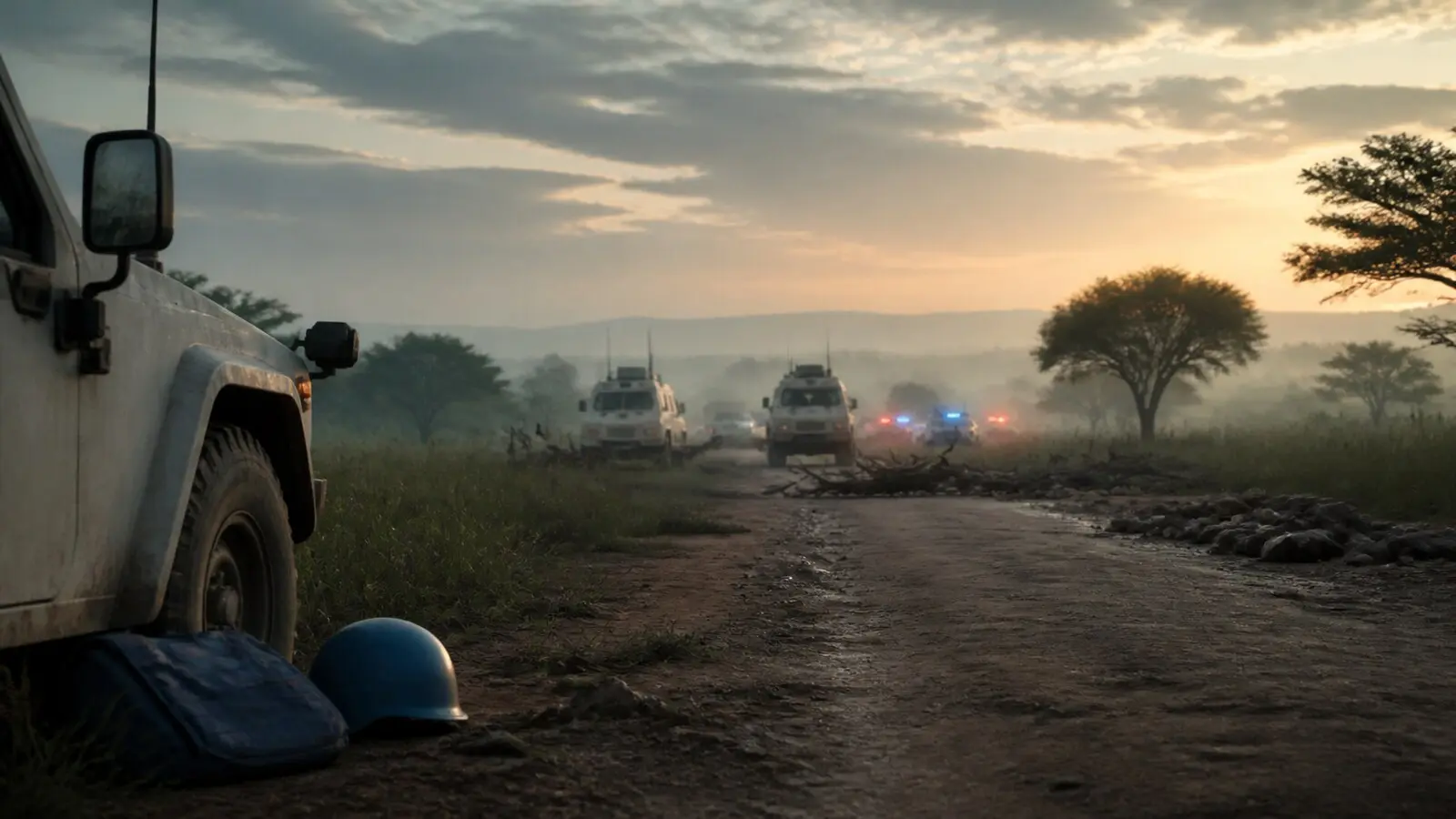
Recent GDU coverage of the South Sudan UNMISS ambush showed how attacks on peacekeepers can restrict international protection work. Sudan’s drone war presents a related problem at greater scale: humanitarian agencies and monitors face a conflict in which violence is more mobile, more technical and harder to contain.
Foreign Fighters And Supply Routes
The Fact-Finding Mission’s report says Colombian contractors formed part of the RSF support network, with some involved in drones and other advanced systems. Human Rights Watch reported in May that evidence indicated Colombian private military contractors had been recruited through companies linked to the UAE and deployed to support the RSF in Darfur.
AP reported that the UN mission linked foreign-trained fighters to massacres in Zamzam camp and El Fasher in 2025. Survivors who fled El Fasher described RSF fighters killing civilians in homes and streets after the city fell, while satellite imagery later appeared to show bodies being disposed of in mass graves or burned.
The report also names routes and hubs outside Sudan as part of the wider logistics picture, including networks involving the UAE, Colombia and Chad, among other countries. The point is not only who supplies weapons. It is how private companies, recruitment channels, transport corridors, financing and technical expertise can combine into a war-sustaining system.
For diplomats, that makes enforcement harder. Arms embargoes are designed to block weapons, but modern conflict support can move through contracts, aircraft, shipping, private security firms, drone parts, technicians, fuel, vehicles and financial intermediaries.
Pressure On The Security Council
The investigators called for the UN Security Council to extend its arms embargo on Sudan. They said the weapons, financing, personnel and technology sustaining the war must be constrained.
The current Darfur-focused embargo has long been criticized as too narrow for a conflict that now spans much of the country. If the Council expands restrictions, the next challenge would be enforcement: identifying companies, aircraft, individuals, financiers and transit points that help either side keep fighting.
The United States has already urged the Security Council to consider new sanctions aimed at pushing the warring parties back toward negotiations, AP reported. But Sudan diplomacy remains difficult because outside powers often have competing regional, security and commercial interests.
That is why this report matters globally. It is not only a human-rights document about one war. It is a test of whether international institutions can respond when conflict supply chains become transnational, partly private and technically sophisticated.
What Happens Next
The report will feed into debates at the Human Rights Council and Security Council as governments consider whether to renew investigative mandates, expand sanctions, tighten the arms embargo and press states named in the support networks for cooperation.
The most immediate question is whether investigators can identify more of the companies and individuals involved. Naming networks in general terms can raise political pressure, but sanctions and prosecutions usually require more specific evidence about who financed, transported, trained, supplied or commanded.
The second question is whether diplomacy can slow the flow of weapons and drones before battlefield incentives harden further. Sudan’s war has already destabilized the Horn of Africa, strained neighboring countries, disrupted trade and deepened one of the world’s worst humanitarian emergencies.
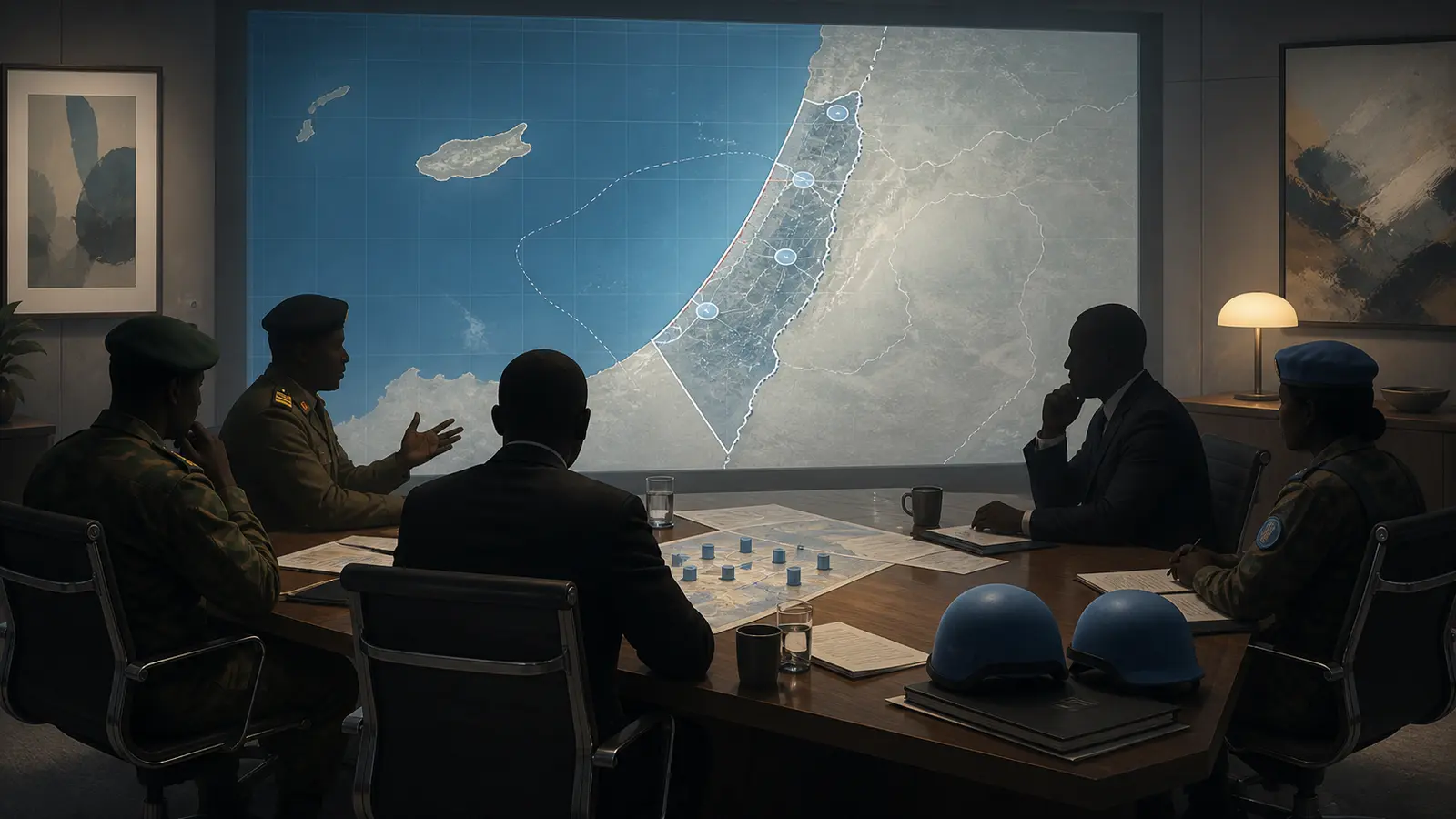
GDU has covered how regional conflicts can quickly become global policy issues, from Gaza stabilization force talks to G20 disputes over trade imbalances. The Sudan report belongs in that category. It shows how a national war can become an international accountability problem when foreign networks help keep the fighting alive.
For civilians, the central finding is simpler and more urgent: Sudan’s war is not being sustained only by local commanders. UN investigators say outside personnel, money, technology and logistics are helping prolong a conflict that has already displaced millions and exposed civilians to famine, atrocities and expanding drone attacks.