Russia has given itself a new legal route to place critical infrastructure under temporary state management when owners are judged to have failed to protect facilities or restore them quickly after attacks.
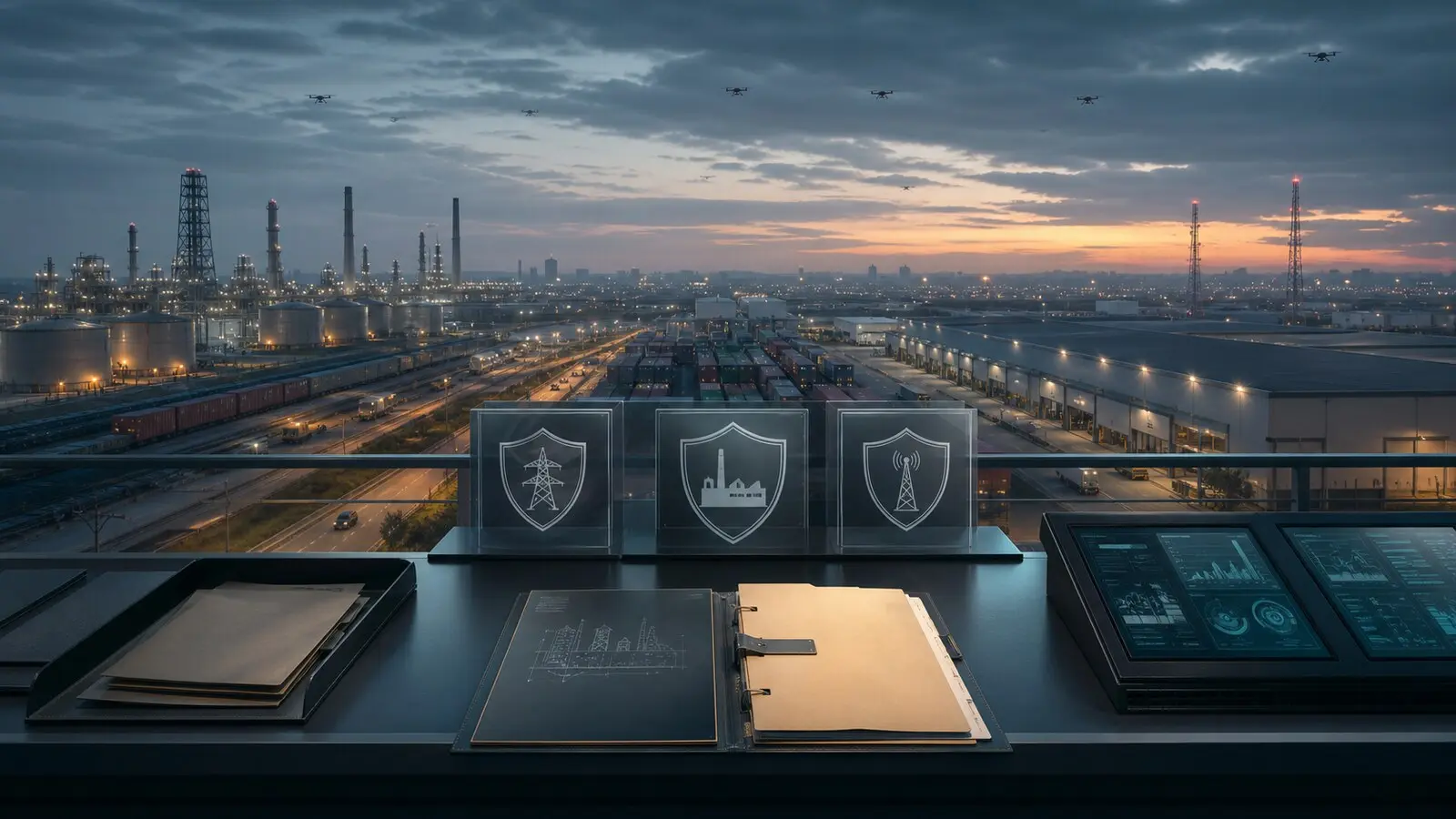
President Vladimir Putin signed Decree No. 604 on August 24, one day before Tuesday’s international reports put the measure into sharper focus. The decree covers fuel and energy assets, industrial sites, communications, utilities, transport, logistics complexes, nuclear energy facilities, life-support systems and other assets considered important to Russia’s security, economic stability and public welfare.
The immediate trigger is clear in the document itself. It cites rising threats during Russia’s war in Ukraine and specifically includes ineffective measures against unmanned aerial vehicle attacks as a possible ground for intervention. Reuters and AP both reported that the decree follows a period of intensified Ukrainian drone strikes against Russian oil refineries, warehouses and logistics hubs.
That makes the Russia critical infrastructure decree more than an administrative change. It is a sign that long-range attacks are now pushing Moscow to shift more risk from private operators onto the state, while also warning companies that strategic assets can come under government control if their defenses or repairs are deemed inadequate.
What The Decree Allows
The decree says temporary management can be introduced by the Russian government on the basis of a presidential instruction. It can apply to all or part of a company’s movable and immovable property inside Russia, as well as securities, stakes in Russian legal entities and property rights.
The default temporary manager is Rosimushchestvo, Russia’s Federal Agency for State Property Management. The government may appoint another manager if instructed by the president. The temporary manager receives owner-like powers over the assets, except for disposal rights, and is responsible for inventorying and preserving the property.
The measure is not written as a blanket nationalization order. Russian officials have presented it as a targeted security tool. But its scope is broad enough to matter for energy companies, industrial groups, transport operators, communications providers, warehouse networks and logistics firms whose facilities are considered essential.
The decree also says temporary management costs are financed from income generated by the property. That detail matters because it implies an operating takeover rather than only emergency supervision.
Why Moscow Is Acting Now
Ukraine has increasingly used long-range drones to pressure Russia’s energy and logistics system. Reuters reported that Kyiv has attacked at least two dozen warehouses belonging to Wildberries since July 18, damaging a large share of the retailer’s storage capacity. Russia’s Ozon, another major online retailer, said four of its logistics hubs in southern Russia had been targeted on Monday.
The Guardian’s Ukraine war briefing, citing Reuters and company statements, said Ozon facilities were hit across multiple southern regions and that shares in the company fell sharply after the attacks. It also reported that a drone strike on August 21 forced the shutdown of part of Lukoil’s Perm refinery, with repairs expected to take one to two weeks.
Those details explain the wider pressure behind the decree. The war is no longer affecting only military units, border areas and symbolic targets. Warehouses, refineries, logistics corridors and commercial storage networks are becoming part of the economic battlefield.
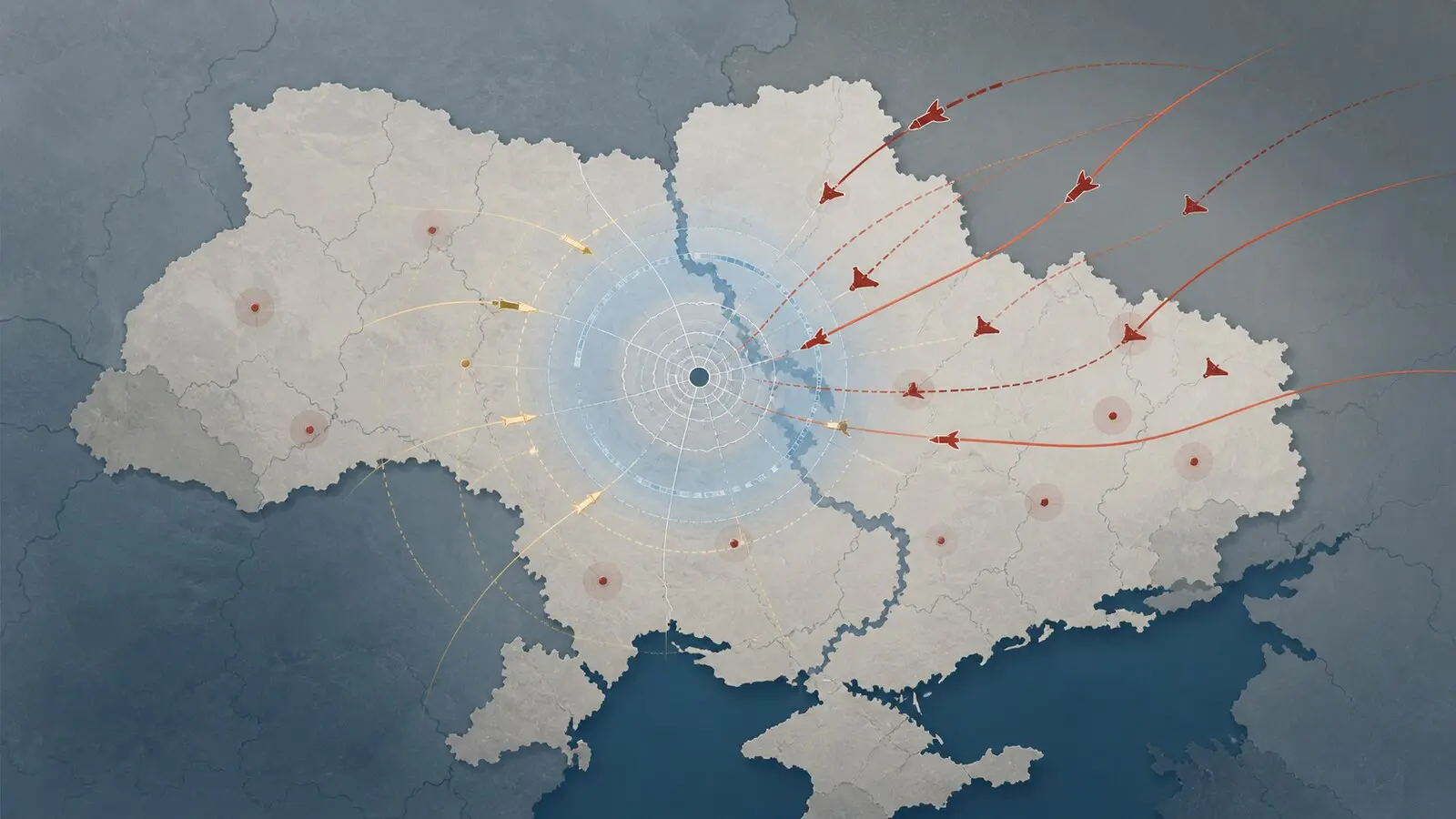
GDU reported last week on a deadly Kyiv barrage that renewed attention on Ukraine’s shortage of defenses against Russian missiles and drones. The new decree shows the other side of the same long-range war: Moscow is also trying to manage vulnerabilities inside Russia as Ukrainian strikes reach deeper into its industrial and commercial networks.
Business Risk Inside Russia
For companies operating critical sites in Russia, the decree changes the consequences of a security failure. A warehouse operator, refinery owner or logistics company that cannot stop drone damage may also face official scrutiny over whether it did enough to prevent the attack or restore operations afterward.
That creates a new incentive to spend more on physical security, air-defense coordination, emergency repairs, insurance planning and continuity systems. It may also create uncertainty for lenders, minority investors, foreign-linked owners and suppliers, because an asset can become harder to value if the state can take over management during a crisis.
The decree’s wording also leaves judgment calls to the Russian authorities. Terms such as ineffective security measures, delayed restoration and threats to normal functioning can be interpreted broadly. In a wartime economy, that gives the state leverage over companies whose assets are commercially valuable and politically sensitive.
For foreign businesses, the measure adds another layer to an already difficult environment. Russia has previously used temporary control mechanisms against some foreign-linked assets after sanctions and corporate exits. This decree is framed around security, but it sits in the same broader trend of expanding state power over strategic property.
Global Implications
The direct impact is inside Russia, but the global consequences could spread through energy, shipping, commodity and sanctions channels. Refineries and fuel logistics affect domestic Russian supply, export capacity and regional fuel prices. Industrial and transport disruptions can also complicate military supply chains and commercial delivery networks.
Energy markets are already watching Russia alongside other pressure points. GDU’s recent coverage of the Iran rial record low showed how sanctions, oil flows and geopolitical risk can quickly feed into pricing expectations. A prolonged campaign against Russian refining capacity would add another layer of uncertainty for traders and governments tracking diesel, gasoline and crude-product balances.
The decree also matters politically. It signals that Moscow sees infrastructure resilience as a state-security issue, not only a corporate responsibility. That may lead to more centralized direction of private-sector assets, tighter compliance demands and closer coordination between companies and security agencies.
For Ukraine and its allies, the measure will be read as evidence that drone strikes are imposing real costs. But it does not prove that the pressure will force a military or diplomatic shift. Russia may respond by hardening facilities, dispersing inventories, expanding electronic defenses, or using the decree to compel faster reconstruction.
What To Watch Next
The first test is whether Moscow uses the decree against a major named operator. If temporary management is imposed on a large refinery, warehouse network or logistics company, investors will have a clearer sense of how aggressively the tool will be applied.
The second is whether Ukrainian drone attacks continue to focus on fuel and logistics infrastructure. Repeated refinery shutdowns or warehouse fires would raise the economic cost of the war and could force Russia to divert more resources toward domestic defense.
The third is how Russian companies respond. More spending on security may reduce vulnerability, but it can also raise operating costs and expose the limits of private firms trying to protect large fixed assets against long-range attacks.
For now, the verified development is narrower but significant: Russia has created a wartime mechanism for temporary state control of critical infrastructure when owners are judged to have failed on protection or recovery. The decree shows how the war’s long-range strike campaign is reshaping not only the battlefield, but the ownership and operating risk around assets that keep a major economy running.