North Korea’s missile barrage into waters east of the Korean Peninsula has quickly tested President Donald Trump’s attempt to turn a scaled-back U.S.-South Korea military exercise into an opening for renewed diplomacy with Kim Jong Un.
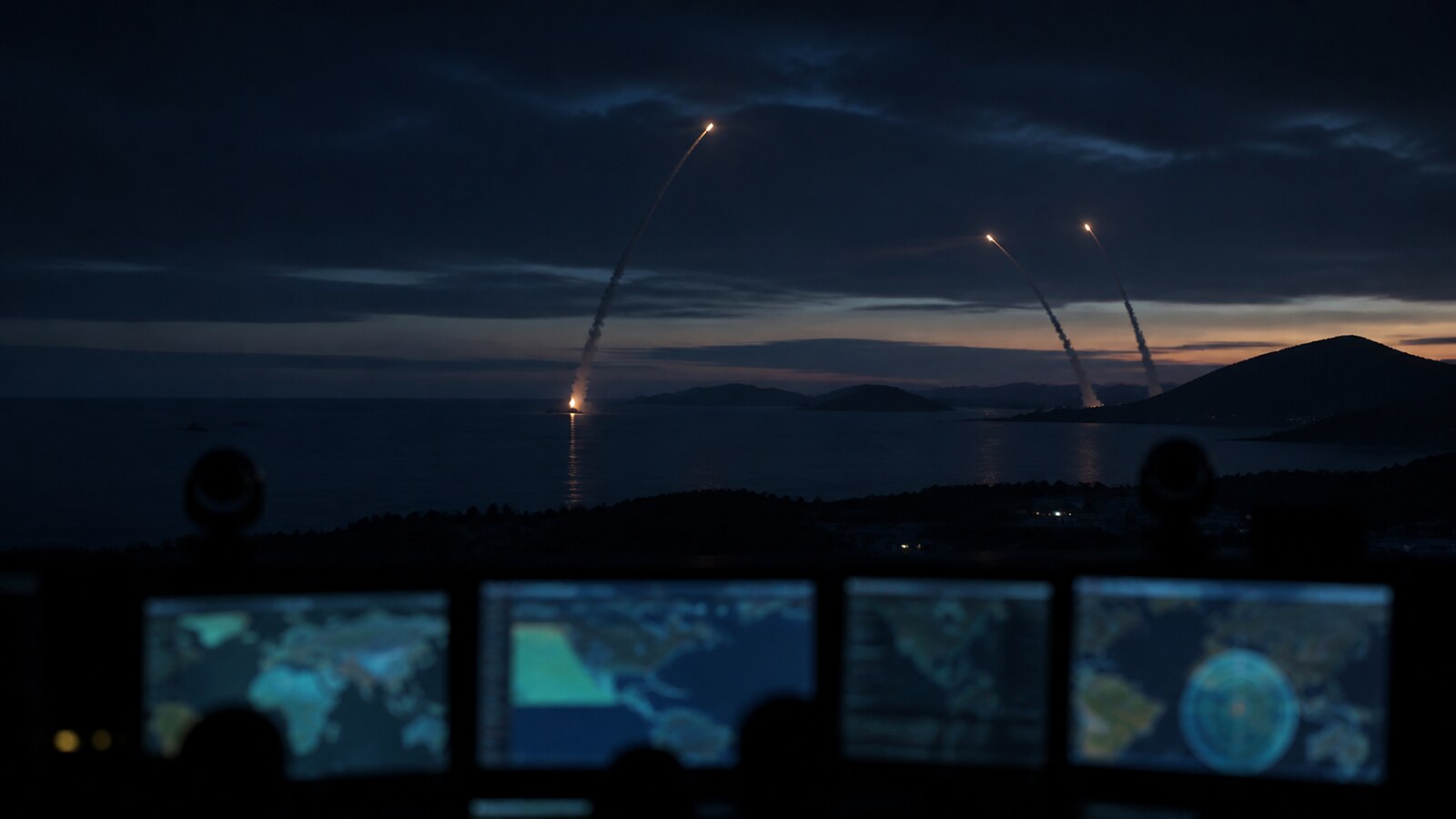
South Korea’s military said North Korea launched about 10 short-range ballistic missiles from the Pyongyang area on Thursday evening local time. Associated Press, Guardian and ABC reporting said the missiles flew toward North Korea’s eastern waters, while Al Jazeera, citing South Korean officials, reported a flight distance of about 300 kilometers.
The launches came after Washington and Seoul agreed to cut short the 11-day Ulchi Freedom Shield exercise, with the annual drills reduced after Trump ordered a substantial rollback. The allies have described the drills as defensive. Pyongyang has long denounced them as invasion rehearsals and, this week, dismissed the reduction as an empty gesture.
That sequence makes the launch more than another weapons test. It is an early measure of whether Trump’s personal diplomacy with Kim can coexist with alliance readiness, South Korea’s security concerns and North Korea’s demand for recognition as a nuclear-armed state.
What Happened
South Korea’s Joint Chiefs of Staff said the missiles were fired from the Pyongyang region at around 5 p.m. Thursday and traveled toward waters east of North Korea. South Korean officials said surveillance had been strengthened and information was being coordinated with the United States and Japan.
Japan’s prime minister’s office also detected a suspected missile launch, according to international reports. There were no immediate public reports of damage in Japan, South Korea or U.S. territory.
South Korea’s presidential National Security Council convened an emergency meeting and urged North Korea to stop ballistic missile launches, which are prohibited under United Nations Security Council resolutions. Al Jazeera reported that South Korean officials called the launch a grave violation of those resolutions.
The U.S. military response was measured. Associated Press reported that U.S. Pacific Command said the launches did not pose an immediate threat while reaffirming the U.S. defense commitment to allies in the region. That language is consistent with previous U.S. Indo-Pacific Command statements after North Korean missile activity: identify the launch, coordinate with partners, assess immediate risk and restate deterrence commitments.
Why The Timing Matters
The missiles were fired one day after the United States and South Korea announced that Ulchi Freedom Shield would end six days earlier than planned. The exercise began on August 17 and had been scheduled to run through August 27 before the reduction.
Trump framed the change as a way to lower tension and revive room for contact with Kim. He also cited the cost of the exercises and South Korea’s refusal to support U.S. policy over Iran, adding an unusual cross-regional political argument to a core Asian alliance decision.
North Korea did not treat the reduction as a concession worth reciprocating. Kim Yo Jong, Kim Jong Un’s influential sister, said the provocative nature of the drills had not changed even if their duration and size had been reduced. She also denied Trump’s suggestion of recent communication with North Korea, while leaving open that personal relations between Trump and Kim remained positive.
That is the central tension. Trump is trying to reopen a channel built partly on leader-to-leader ties. North Korea is signaling that personal warmth is not enough unless Washington changes the terms of security policy, sanctions pressure and nuclear diplomacy.
The Alliance Question
For Seoul, the launch lands at a difficult moment. A shorter exercise may reduce immediate political friction with Pyongyang, but North Korea’s response highlights why South Korean officials and defense planners still view the drills as important.
Ulchi Freedom Shield is not only public messaging. It rehearses command coordination, logistics, cyber response, air and missile defense, battlefield communication and combined decision-making. Those routines matter because South Korea faces North Korean artillery, ballistic missiles, cyber operations and a growing nuclear program.
Global Daily Update reported earlier this week that Trump’s Korea drills order had already put alliance readiness under scrutiny. The missile barrage sharpened that scrutiny. If North Korea fires missiles after a reduction, critics of the rollback will argue that Pyongyang accepted the signal and still escalated. Supporters of diplomacy will argue that bigger gestures may still be needed to test whether talks can resume.
Both arguments now carry risk. Too much military reduction without reciprocal North Korean limits could weaken deterrence. Too little diplomatic space could leave the peninsula locked into the familiar cycle of drills, denunciations, missile launches and sanctions.
What North Korea Is Signaling
North Korea’s message appears aimed at several audiences at once.
To Washington, the launch says a smaller exercise is not enough to bring Pyongyang back to negotiations on U.S. terms. Since the collapse of Trump-Kim talks in Hanoi in 2019, North Korea has repeatedly demanded that Washington abandon denuclearization as the entry price for serious engagement.
To Seoul, the launch reinforces North Korea’s rejection of South Korean-led reconciliation efforts that keep the U.S. alliance at the center of defense policy. President Lee Jae Myung has sought more room for dialogue, but Pyongyang has shown little interest in treating Seoul as an equal diplomatic channel.
To Japan and the wider Indo-Pacific, the barrage is a reminder that North Korean missiles are not only a Korean Peninsula issue. Even short-range launches affect Japan’s warning systems, U.S. regional planning and the credibility of allied missile defense.
The timing also matters because North Korea has deepened ties with Russia and China while continuing to improve missile, cyber and military production capabilities. Any future talks would begin with Pyongyang in a stronger bargaining position than during the 2018-2019 summit period.
The Nuclear And Sanctions Stakes
South Korean Defense Minister Ahn Gyu-back told lawmakers that the short-range ballistic missiles were believed to be 600 mm multiple rocket launchers, according to Al Jazeera’s report. Pyongyang has previously presented that system, known externally as the KN-25, as capable of carrying tactical nuclear warheads.
That does not prove Thursday’s launches involved nuclear payloads. It does show why the test matters. Short-range systems can be used to threaten South Korean bases, ports, airfields and command nodes, while also complicating U.S. reinforcement plans in a crisis.
The sanctions issue remains equally hard. North Korea wants relief, recognition and reduced military pressure. The United States and its allies want verifiable limits on nuclear and missile programs. The gap between those positions has widened as North Korea has expanded weapons activity and gained diplomatic insulation from larger powers.
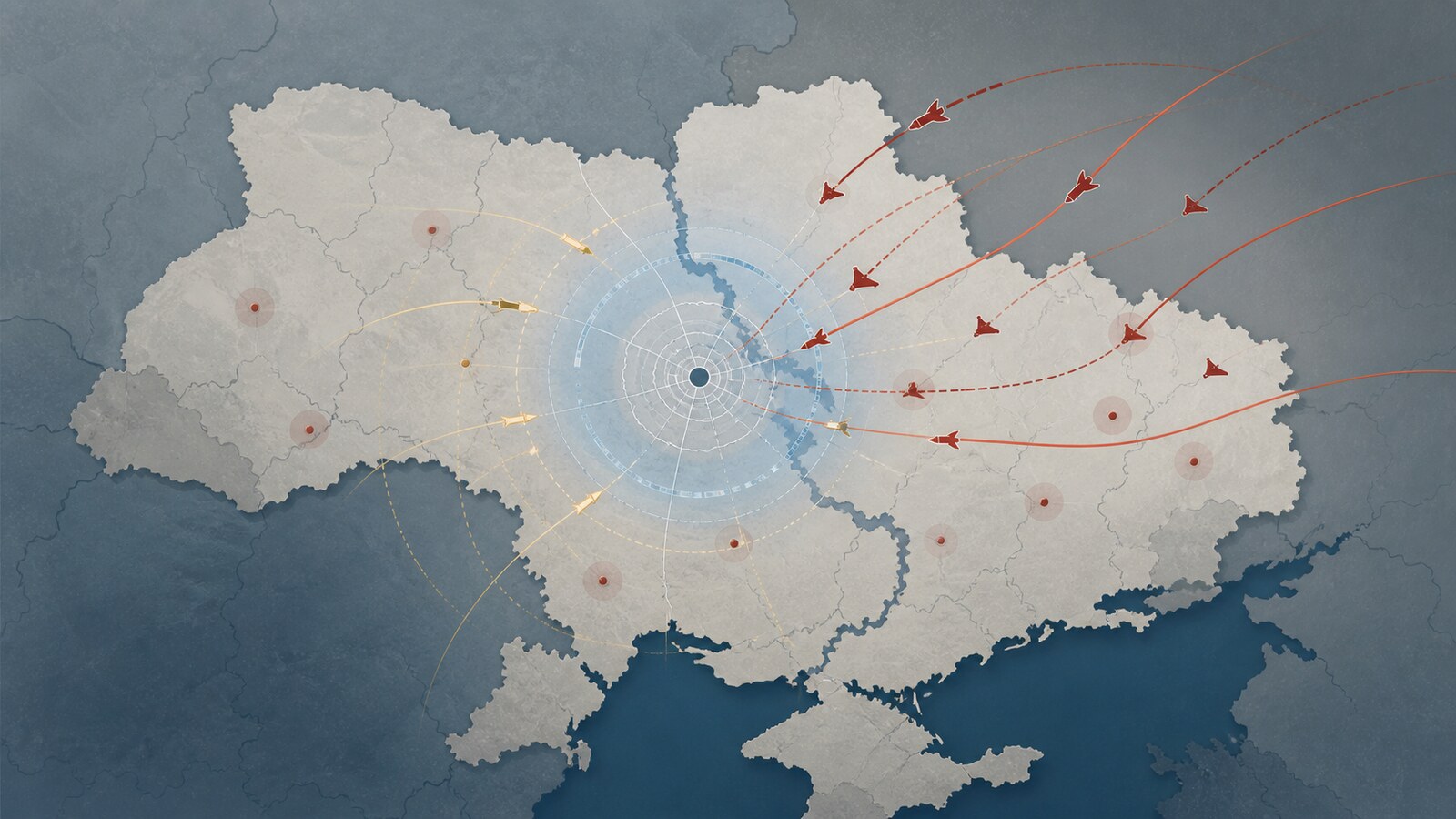
Recent GDU coverage of Ukraine’s air-defense pressure showed how ballistic missile threats are reshaping security policy across regions. In Northeast Asia, the same question appears in a different form: how much deterrence, missile defense and diplomacy are enough when an adversary can test weapons quickly and absorb international criticism?
What To Watch Next
The first test is whether North Korea conducts additional launches as the shortened drills end. A single barrage would still be serious, but a series of launches would suggest Pyongyang is building a sustained pressure campaign around Trump’s diplomatic push.
The second test is how Washington and Seoul explain the next exercise cycle. If they present a clear plan for future readiness, the alliance may contain the political damage from the abrupt reduction. If the policy remains vague, North Korea may conclude that public pressure can divide the allies.
The third test is whether Trump seeks a Kim meeting before receiving any concrete North Korean commitment. A summit without preparatory agreements could give Pyongyang prestige while leaving missile and nuclear programs untouched.
For now, the immediate signal is clear. North Korea did not answer the drill cut with restraint. It answered with missiles. That puts the burden back on Washington and Seoul to show that diplomacy and deterrence can be managed together rather than traded against each other.