Israel has openly rejected the latest U.S.-backed Gaza roadmap, turning a fragile diplomatic opening into a sharper test of whether the ceasefire process can survive the basic sequencing dispute that has haunted talks for months.
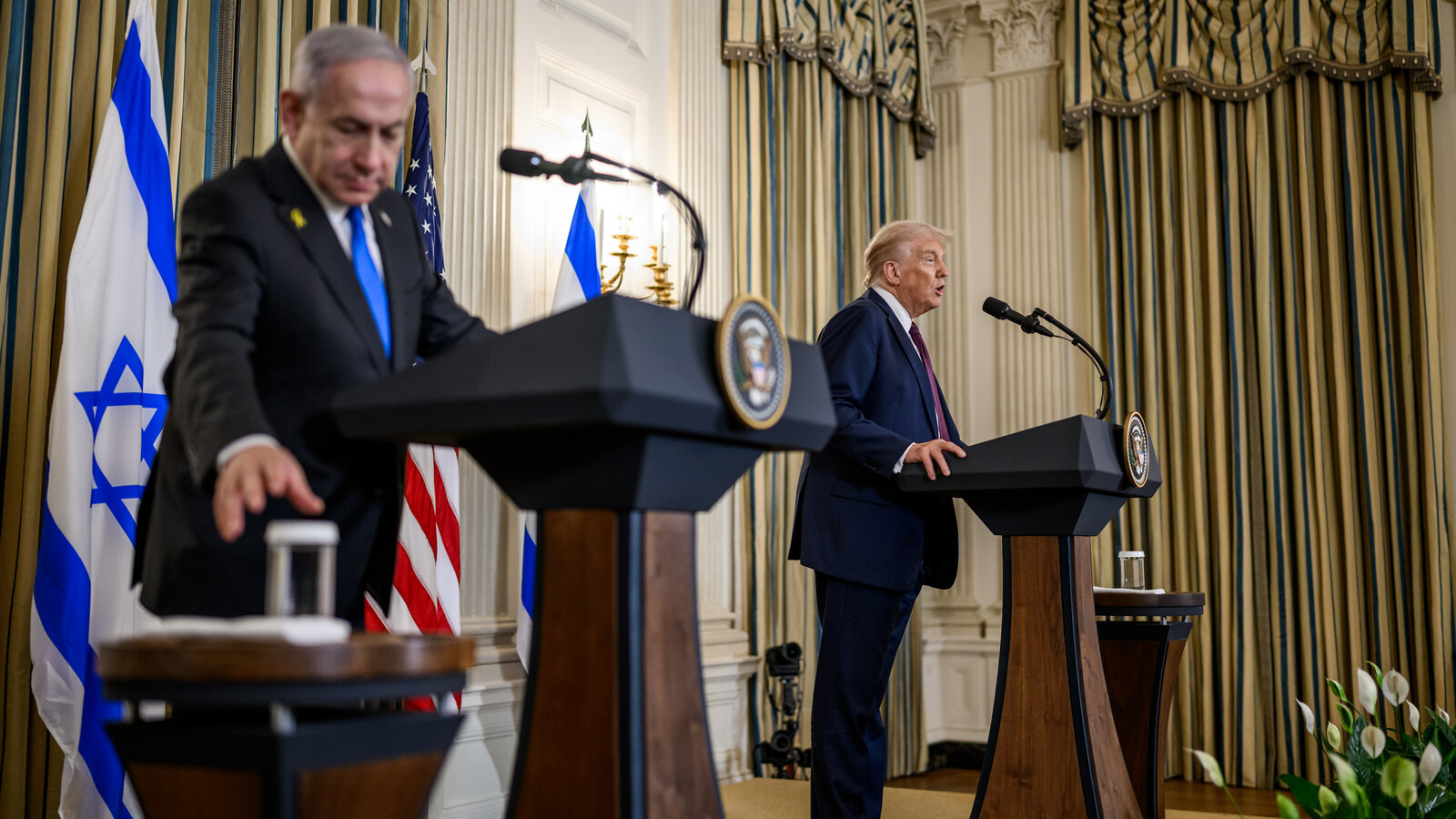
Prime Minister Benjamin Netanyahu told a Cabinet meeting on Sunday that Israel would not withdraw from Gaza under President Donald Trump’s Board of Peace plan until Hamas is fully disarmed. The statement marked a harder public break from a plan that Washington had promoted as a possible next phase in ending the war and shifting Gaza toward civilian administration.
The dispute is not only about wording. It goes to the order of every major step in the process: whether Hamas and other armed factions must surrender weapons before Israel pulls back, whether Israeli forces must pause operations before disarmament can be verified, and who has enough authority to certify that either side has met its obligations.
Associated Press reported that Netanyahu dismissed the 15-point document while saying Israel remained in talks with Washington. Reuters reported that Israel rejected the plan and would not withdraw until Hamas fully disarms. Al Jazeera reported that Hamas said it remained committed to implementation and urged mediators to prevent breaches that could derail the process.
That combination leaves the roadmap in a difficult middle ground. It is not dead, because the parties are still speaking through mediators. But it is no longer a clean diplomatic breakthrough. It is now a public argument over leverage, verification and trust.
What Changed
The Board of Peace framework was already under strain last week after talks focused on how Hamas disarmament, Israeli withdrawal, civilian governance and reconstruction would be sequenced. The latest statement changes the tone because Israel is now publicly rejecting the document rather than only raising reservations about parts of it.
Netanyahu’s position is that the Israeli military will not leave Gaza before Hamas is genuinely disarmed. Israeli officials have argued that any withdrawal without verified disarmament would allow Hamas to preserve military power, rebuild command structures or shift weapons out of sight. For Israel, the question is not whether the roadmap mentions disarmament, but whether it guarantees a result that can be independently verified.
Hamas has framed the sequence differently. The group says it remains committed to the roadmap, but wants mediators and guarantor countries to hold Israel to its side of the bargain. Its position, as described in international reporting, is that disarmament cannot move ahead while Israeli forces remain in control of large parts of Gaza and attacks continue.
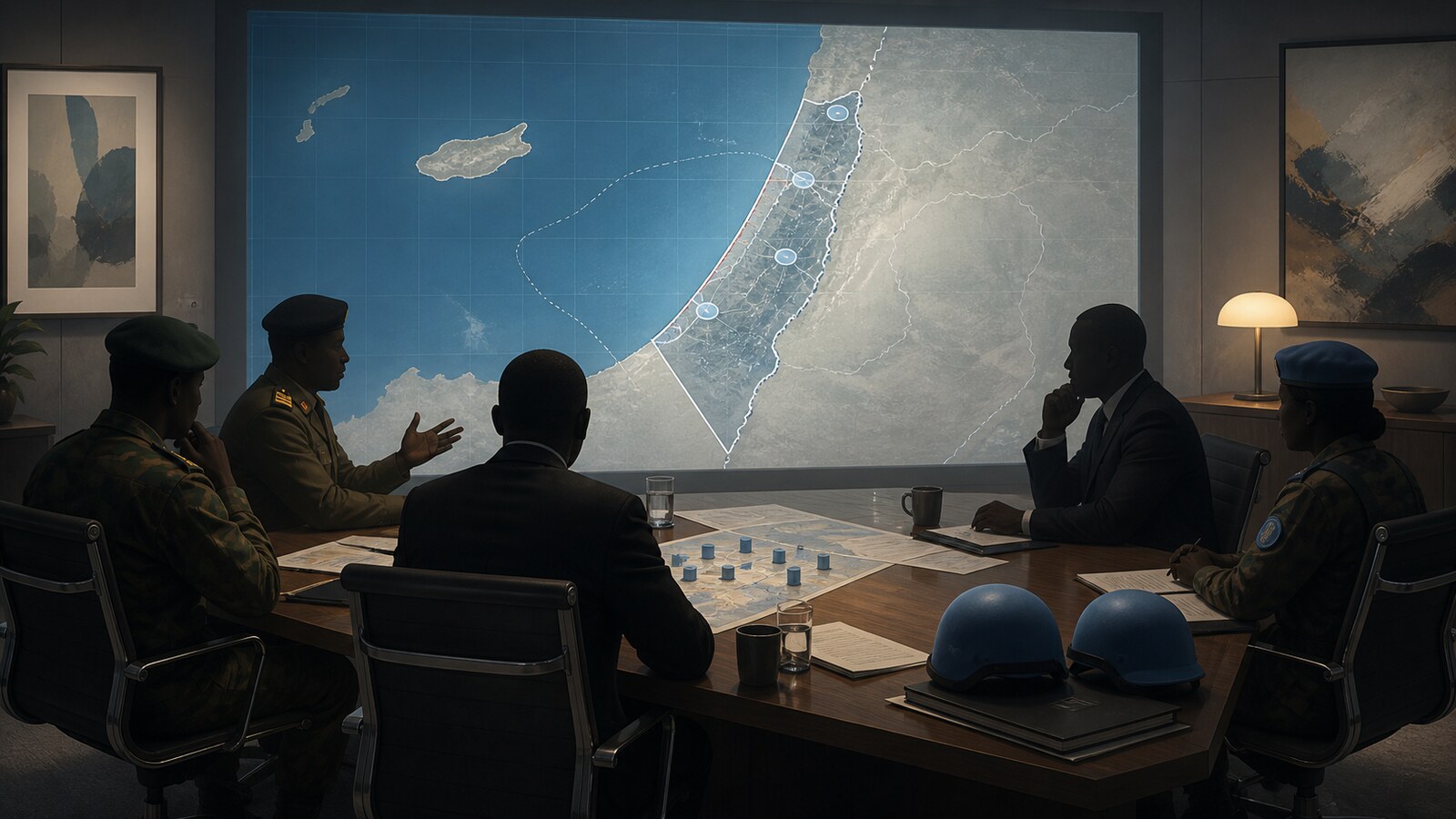
The Board of Peace roadmap tries to bridge that gap with an International Verification Committee and a phased transition. The board’s published roadmap says that verification would be used before moving into the next implementation phase, while its Gaza peace plan calls for demilitarization under independent monitors and for an international stabilization force to support security.
Those mechanisms are meant to solve the trust problem. The immediate question is whether either side trusts them enough.
Why The Rejection Matters
The plan matters because Gaza’s ceasefire has never become a settled postwar order. Fighting has eased from the peak of the war, but the territory remains devastated, politically unresolved and vulnerable to repeated escalations. The diplomatic effort is trying to move beyond emergency ceasefire language into questions that decide who governs, who polices, who rebuilds and who controls weapons.
The Board of Peace model puts those questions in one package. Hamas and other factions would be removed from governance. Military and offensive infrastructure would be dismantled. A Palestinian technocratic body would handle day-to-day administration. An international stabilization force would support border and internal security. Reconstruction would proceed under supervised funding and timelines.
Each component depends on the others. Reconstruction funding is unlikely to flow at scale if armed groups retain control. A civilian administration cannot operate if it lacks security or public legitimacy. Israel is unlikely to withdraw if it believes weapons and tunnels remain intact. Hamas is unlikely to move first if it believes Israel can keep striking after the group gives up leverage.
That is why Netanyahu’s rejection is consequential even if negotiations continue. It signals that Israel does not accept the current balance of obligations. It also gives Hamas a reason to argue that Washington and mediators must pressure Israel before expecting further concessions from Palestinian factions.
Regional Stakes
The Gaza dispute is unfolding alongside wider Middle East instability. AP’s regional update also pointed to Houthi attacks in Yemen and unresolved talks over the Strait of Hormuz, underscoring how Gaza diplomacy is now part of a broader regional risk picture rather than an isolated ceasefire file.
For Washington, the rejection complicates a major foreign-policy push. Trump had described the Hamas disarmament agreement as a breakthrough, and the Board of Peace has been presented as a structure capable of coordinating demilitarization, governance and reconstruction. If Israel refuses the implementation document, the board’s practical authority becomes harder to prove.
For Israel, the decision reflects security and domestic political pressures. Netanyahu faces an election scheduled for late October and remains under pressure from hardline figures who oppose steps that could appear to reward Hamas or limit Israeli military freedom in Gaza. A public rejection may help him reassure those constituencies, but it also risks deepening friction with Washington.
For Palestinians in Gaza, the consequence is more direct. A stalled roadmap means delayed reconstruction, delayed governance reform and continued uncertainty over whether the ceasefire can become durable. The longer the sequence dispute lasts, the harder it becomes to move from emergency survival toward functioning services, policing, schools, health care and housing.
The Verification Problem
The most difficult part of the plan is not drafting a list of steps. It is proving that the steps have happened.
Disarmament would require more than symbolic weapons handovers. It would need a credible inventory of rockets, explosives, small arms, command sites, tunnels, manufacturing capacity and armed personnel. It would also need a way to prevent weapons from being hidden, moved or replenished through smuggling.
Withdrawal would also need verification. Israel would have to pull forces from agreed areas, stop or sharply limit operations, and coordinate with an international stabilization force and Palestinian police. If Israel keeps broad strike authority during the process, Hamas and other factions may argue that the roadmap offers no real protection.
That makes the International Verification Committee central. But a verification body can only work if the parties accept its findings. If Israel says verification is too weak, or Hamas says monitors are biased, the process could freeze at the first contested milestone.
The same issue applies to the civilian administration. A technocratic committee cannot govern Gaza from a document. It needs access, staff, funding, police support, public consent and protection from armed spoilers. Without those, the political handover becomes a promise rather than an operating authority.
What To Watch
The next test is whether Washington, the Board of Peace and regional mediators can revise or clarify the roadmap without losing Hamas’s stated commitment. A revised document might define what “genuinely disarmed” means, set clearer withdrawal milestones, or strengthen the verification committee’s role.
The second test is whether Israel reduces military operations enough to let implementation start. If strikes continue at a tempo that Hamas and mediators view as a breach, the plan may stall before any verification phase begins.
The third test is whether the international stabilization force becomes more than a planning item. Without a credible security bridge between Israeli withdrawal and Palestinian civilian rule, both sides will keep arguing that moving first is too risky.
The rejection does not end diplomacy, but it lowers confidence that the current version can work as written. Gaza’s next phase now depends on whether mediators can turn a disputed roadmap into enforceable steps before politics, violence or mistrust overtake the opening.
For readers following recent Gaza disarmament talks and wider Strait of Hormuz diplomacy, the lesson is the same: regional crisis management is now less about announcing frameworks than proving that rival parties will accept the order, monitors and consequences built into them.