Iran’s rial fell to a new record low on Monday as Washington prepared a wider sanctions drive, turning a long-running confrontation into a fresh test for oil buyers, banks, shipping firms and governments still exposed to Iranian trade.
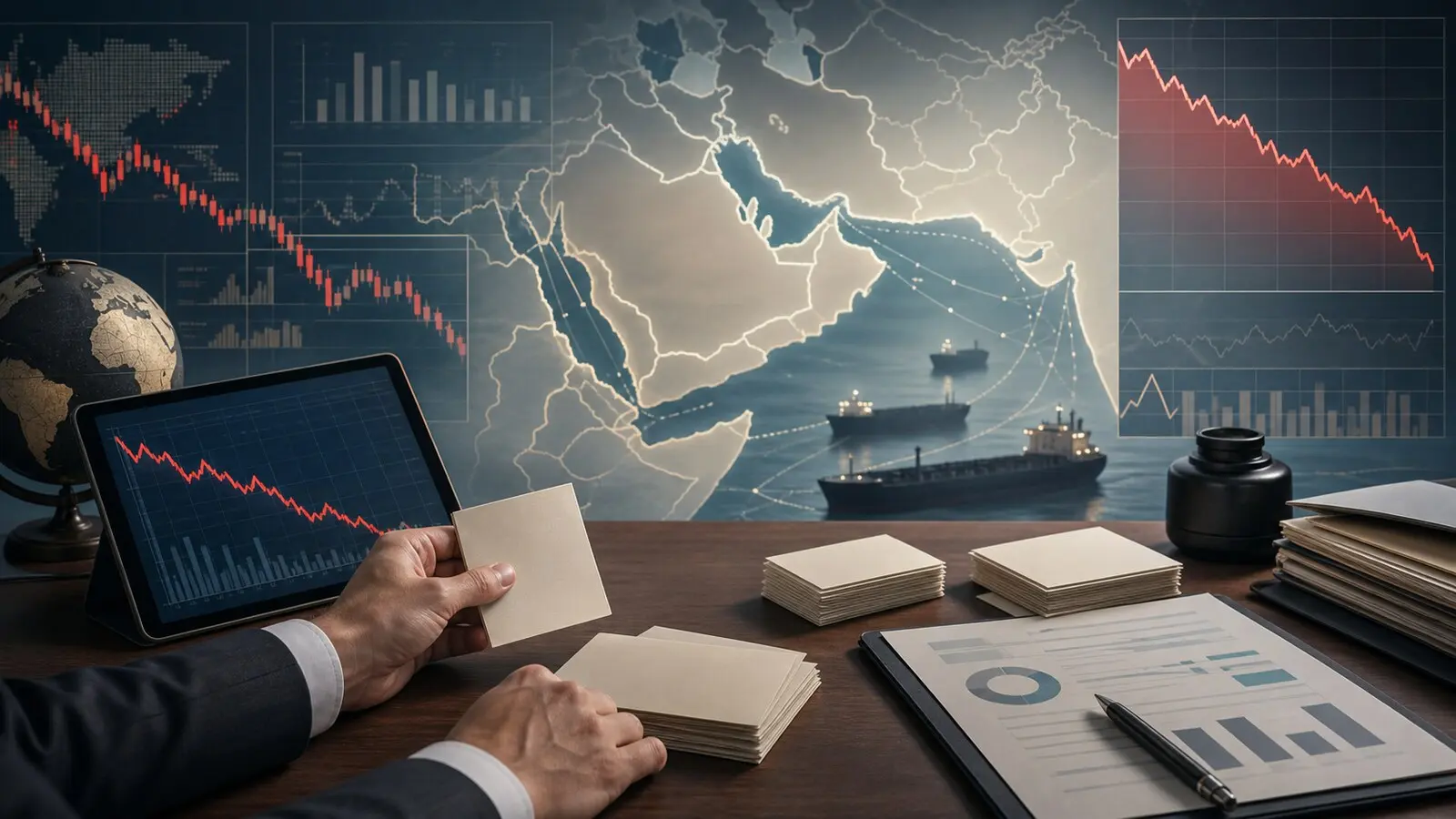
Associated Press reported that the rial dropped to 2.02 million to the U.S. dollar in market trading, while Iran’s official Central Bank rate stood near 1.5 million. The gap matters because the market rate is the one ordinary households and many businesses face when they try to protect savings, import goods or price essential supplies.
The currency slide came before an expected U.S. sanctions announcement from Treasury Secretary Scott Bessent. The Guardian reported that Washington intends to press secondary sanctions against countries, companies and financial channels still doing business with Iran, while Tehran has warned that cooperation with the U.S. campaign could bring retaliation.
The immediate story is a currency shock. The bigger issue is whether the United States can isolate Iran’s remaining trade links without triggering wider disruption across energy markets, Gulf shipping and relations with major economies such as China, India and Russia.
Why The Rial Drop Matters
A falling currency quickly becomes a daily economic problem. Imports become more expensive, businesses struggle to price inventory, and households rush toward harder currencies when they fear another devaluation. AP reported that rice and beef prices have risen sharply since the conflict intensified, while the International Monetary Fund expects Iran’s economy to contract by more than 5%.
Iran has lived with U.S. sanctions for decades, but the latest currency low lands in a more fragile setting. Oil exports have been disrupted, shipping through the Gulf remains uncertain, and recent diplomacy has produced temporary mechanisms rather than a durable settlement.
For global readers, the rial is not only an Iranian domestic indicator. It is also a pressure gauge for the wider standoff. If Tehran believes the economy is being pushed toward collapse, it may have stronger incentives to negotiate. It may also have stronger incentives to raise the cost of pressure through maritime restrictions, regional proxies or threats against Gulf energy flows.
The Secondary Sanctions Test
The Office of Foreign Assets Control already maintains an extensive Iran sanctions program covering financial institutions, petroleum trade, shipping, aviation, military procurement and sanctions-evasion networks. OFAC’s public guidance warns companies to review Iran-related compliance risks, including in the maritime sector.
The new U.S. push appears designed to go beyond direct U.S.-Iran restrictions. Secondary sanctions are aimed at non-U.S. actors that continue transactions Washington wants to block. That makes enforcement a geopolitical test, not just a compliance exercise.
China is central because it has been a major buyer of Iranian oil. India, Russia, Gulf intermediaries, insurers, shipping registries, commodity traders and banks could also face decisions about whether the commercial benefit of Iran-linked business is worth the risk of U.S. penalties.
That is why markets are watching more than the list of sanctioned names. The force of the policy will depend on whether Washington is willing to penalize large foreign companies or financial institutions, and whether other governments treat the threat as credible.
Oil Markets Are Watching Hormuz
Oil prices pulled back on Monday after a recent rally, but Brent crude remained above $90 a barrel in MarketWatch’s reporting as traders waited for details of the U.S. measures. The price action shows the tension in the market: sanctions can reduce Iranian supply, but slower demand and strategic stock releases can limit the immediate price shock.
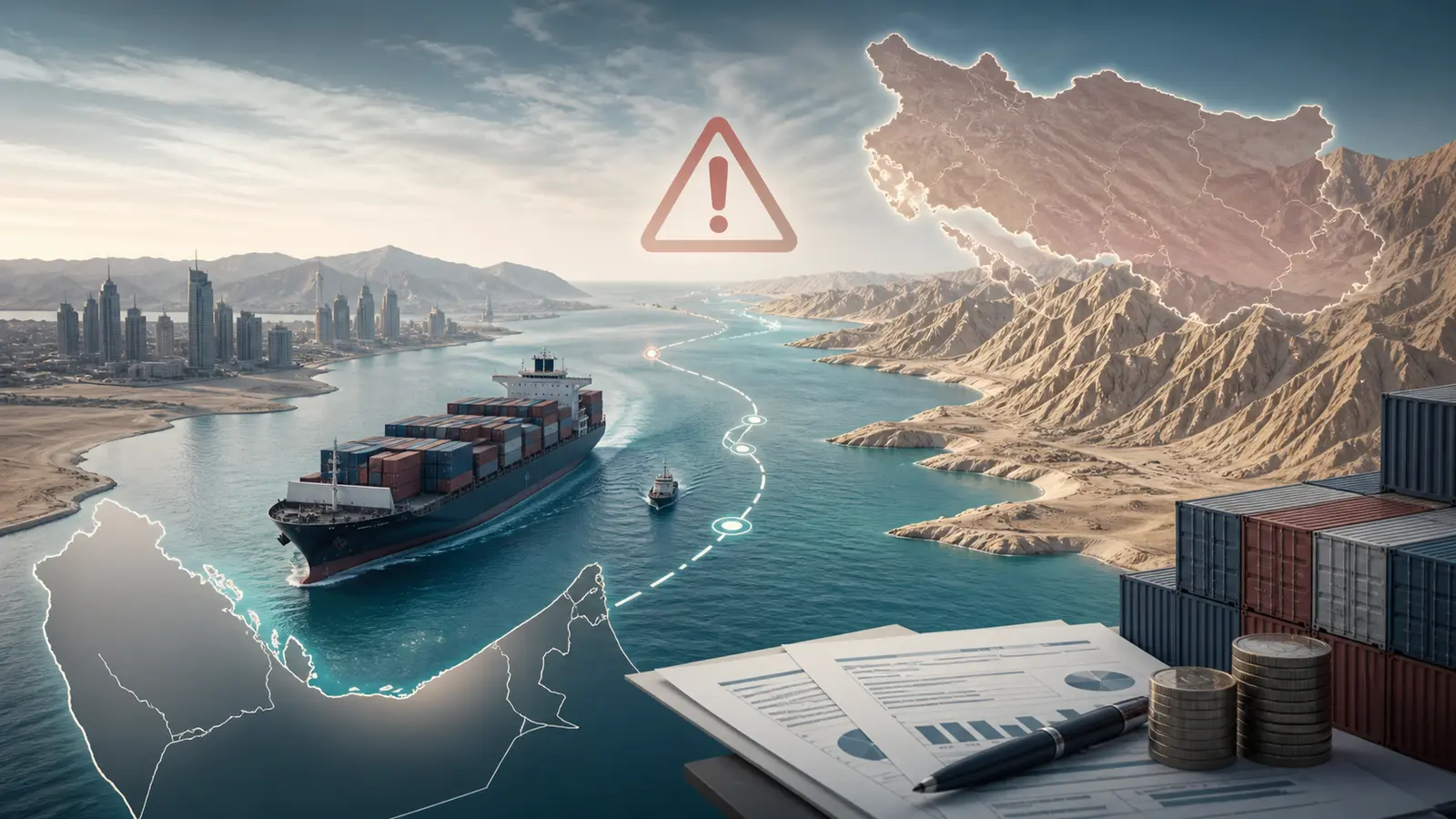
The larger risk remains the Strait of Hormuz, the narrow waterway connecting the Persian Gulf to the Gulf of Oman. GDU has tracked how recent Hormuz route talks narrowed the crisis to coordinates, escorts and inspection rules. A currency collapse and new sanctions pressure make that shipping equation more difficult, because maritime policy becomes one of Tehran’s remaining levers.
The Guardian reported that Iranian security official Mohsen Rezaei warned Gulf neighbors against joining the U.S. sanctions campaign and threatened oil-export disruption if pressure continued. Such statements should be treated as threats, not confirmed action, but they are the kind of signal that insurers, shipowners and energy traders cannot ignore.
Trade Partners Face A Harder Choice
The United Arab Emirates’ earlier decision to suspend trade with Iran already showed how regional commerce could be pulled into the sanctions fight. That move, covered by GDU as the UAE-Iran trade halt, mattered because Dubai and other Gulf hubs have long been important commercial channels for Iranian businesses.
Monday’s rial record low gives that pressure a sharper financial edge. If more countries limit trade, Iran loses access to hard currency and imported goods. If major partners resist, Washington has to decide whether to risk broader economic conflict to make the sanctions bite.
That dilemma is especially sensitive for energy. A strict campaign against Iranian oil buyers could tighten supplies and raise prices for consumers far from the Gulf. A weak campaign could undercut the administration’s claim that it can force a strategic shift in Tehran through economic pressure.
What Comes Next
The first thing to watch is the final scope of the U.S. measures: whether they target symbolic officials, shipping facilitators, banks, oil buyers, insurers or entire categories of Iran-linked transactions.
The second is the reaction from China and other major trading partners. Public defiance would weaken the sanctions message unless Washington follows through. Quiet compliance would tighten Iran’s financial squeeze.
The third is Iran’s response in the Gulf. Any move that affects Hormuz shipping, oil tankers or port access would quickly shift the story from currency and sanctions to global energy security.
For now, the verified development is clear: Iran’s rial has hit another record low just as the United States prepares a more aggressive sanctions phase. The consequences will depend on whether the pressure campaign remains a financial tool, becomes a broader trade confrontation, or spills back into the shipping lanes that keep a major share of the world’s oil moving.