A Houthi missile strike on the cargo ship Tihamah has turned the latest Red Sea escalation into a deadly maritime-security crisis, with Yemeni authorities reporting deaths among both crew members and rescuers near the Bab el-Mandeb Strait.
The attack matters far beyond Yemen’s coast. Bab el-Mandeb is the narrow southern gateway between the Red Sea and the Gulf of Aden, linking Indian Ocean trade with the Suez Canal route. When ships face higher risk there, freight planners, fuel buyers, insurers and governments from Asia to Europe have to price in longer voyages, armed escorts, port delays and wider supply-chain uncertainty.
Associated Press reported Wednesday that six people were killed after the Houthis fired missiles at a vessel in the strait, citing Yemeni authorities. Reuters-based reports said the dead included crew members from Pakistan and Indonesia, while Yemen’s transport ministry accused the Houthis of striking the Tihamah with three ballistic missiles as it was sailing through Bab el-Mandeb.
The fatalities make the incident more serious than the warning shots, near misses and vessel diversions that often shape Red Sea risk. It is a direct reminder that the cost of a chokepoint crisis is measured first in lives, then in cargo, insurance and oil-market pressure.
What Happened To The Tihamah
Yemen’s transport ministry said the Tihamah was hit while carrying food supplies, according to regional and international reports that cited the ministry’s statement. The ministry blamed the Houthi movement for the attack and said the strike caused a fire on board, deaths among crew members and injuries to others.
Yemen’s coast guard also reported deaths among rescuers or government-allied personnel responding to the vessel. That detail is important because it suggests the attack did not end when the first missiles hit the ship. In maritime incidents, the rescue phase is often when a local crisis can widen: patrol boats, nearby merchant vessels and emergency crews may enter the same threatened area while the attackers, the target and the facts are still unclear.
UK Maritime Trade Operations said it had received a report that a cargo vessel off al-Mokha, Yemen, was hit by an unknown projectile and that casualties had been reported. That matches the broader location described by Yemeni officials and maritime-security sources: the waters around Bab el-Mandeb, where Yemen’s conflict touches one of the world’s most sensitive trade routes.
The Houthis later claimed an attack on the vessel, according to regional reports, while Yemeni government officials rejected the group’s framing and described the Tihamah as a civilian commercial ship. That dispute over the vessel’s role will matter diplomatically, but the operational result is already clear: merchant shipping through the southern Red Sea now faces another verified deadly incident.
Why Bab el-Mandeb Is A Global Chokepoint
Bab el-Mandeb is only a short stretch of water, but it carries outsized economic weight. Ships using the Suez Canal route between Europe and Asia pass through the Red Sea, then through Bab el-Mandeb into the Gulf of Aden and the wider Indian Ocean. Energy cargoes, container traffic, food shipments and manufactured goods all depend on whether captains and insurers believe the route is safe enough.
The U.S. Maritime Administration has warned that vessels in the Red Sea, Bab el-Mandeb Strait, Gulf of Aden, Arabian Sea and Somali Basin continue to face risks from Houthi attacks, including ballistic and cruise missiles, drones, explosive boats, small-arms fire, illegal boardings and seizures. Its advisory also says threats in the region can pose both direct and collateral risks to commercial vessels.
That official warning gives context to the Tihamah strike. This was not an isolated local clash far from trade lanes. It happened in a corridor where governments have already told shipping companies to treat hostile action as a standing operational hazard.
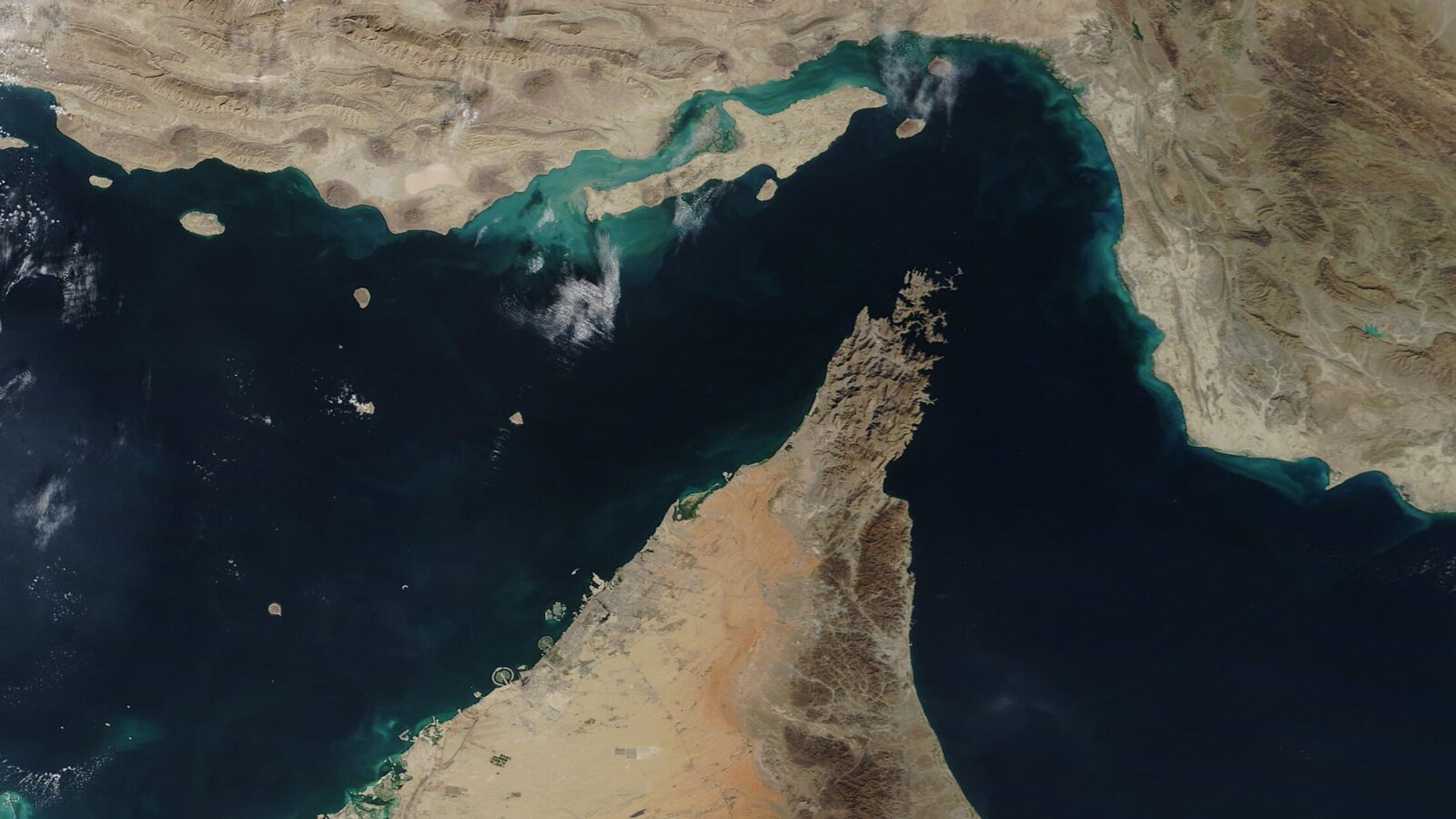
The location also compounds the wider Middle East shipping crisis. The Strait of Hormuz, at the entrance to the Gulf, has already been at the center of U.S.-Iran tensions and oil-market volatility. Bab el-Mandeb is the southern Red Sea counterpart. If both routes are unstable at the same time, rerouting becomes harder, insurance becomes more expensive and energy markets have fewer easy ways to calm themselves.
Food Supplies Add Another Layer
The cargo description matters. Yemen’s transport ministry said the Tihamah was carrying food supplies, according to multiple reports. If confirmed, that makes the strike not only a shipping-security incident but also a humanitarian supply concern in a country where years of war have left millions dependent on reliable commercial and aid flows.
Attacks near ports and shipping lanes can raise the cost of basic goods even when vessels are not sunk. A shipowner may delay sailing. An insurer may raise premiums. A port may tighten checks. A crew may demand higher compensation for risk. Each step adds friction to the movement of food, fuel and consumer goods.
For Yemen, those frictions are especially damaging because the country imports much of what civilians need. For the wider region, they show how quickly maritime attacks can move from military messaging to household prices and supply reliability.
Market Pressure Is Building Again
Oil and freight markets had already been reacting to tension around the Red Sea and the Gulf. A deadly strike at Bab el-Mandeb gives traders another reason to watch vessel movements, insurance notices and naval deployments rather than only diplomatic statements.
Shipping companies do not need a formal closure to reroute. They can move around the Cape of Good Hope if they conclude that the Red Sea risk is too high, but that route adds time, fuel costs and vessel capacity pressure. The longer the detour lasts, the more it can affect schedules, freight rates and downstream prices.
Energy markets are sensitive for the same reason. A disruption near Bab el-Mandeb does not have to stop every tanker to matter. If it changes the expected cost of moving cargo or raises the perceived risk of a wider conflict, prices can move before physical shortages appear.
That is why the Tihamah attack belongs with recent coverage of oil-price risk around shipping chokepoints and Strait of Hormuz diplomacy. The core issue is no longer one waterway. It is whether the Middle East’s connected maritime routes can remain commercially usable during a spreading regional conflict.
What To Watch Next
The first test is casualty confirmation. Reports have varied between four crew deaths and six total deaths when rescuers or government-allied personnel are included. Authorities will need to identify the dead, clarify the number of injured and confirm the status of the vessel.
The second test is shipping behavior. If more companies pause Red Sea transits, demand escort arrangements or reroute around Africa, the attack will have moved from an incident report into a market event.
The third test is escalation. Houthi attacks on ships have often been linked to wider regional pressure, including the war involving Iran, Israel and the United States. A deadly strike at Bab el-Mandeb could invite retaliation, new sanctions, tighter naval operations or expanded warnings to commercial traffic.
For now, the immediate conclusion is stark: Bab el-Mandeb risk has become deadly again. The Tihamah strike puts crews, food supplies and global shipping planners on notice that the southern Red Sea corridor remains one of the most dangerous pressure points in the world economy.