The Gulf shipping crisis has moved from the language of military threats to the harder work of drawing a route that tankers, insurers, navies, and governments will actually trust.
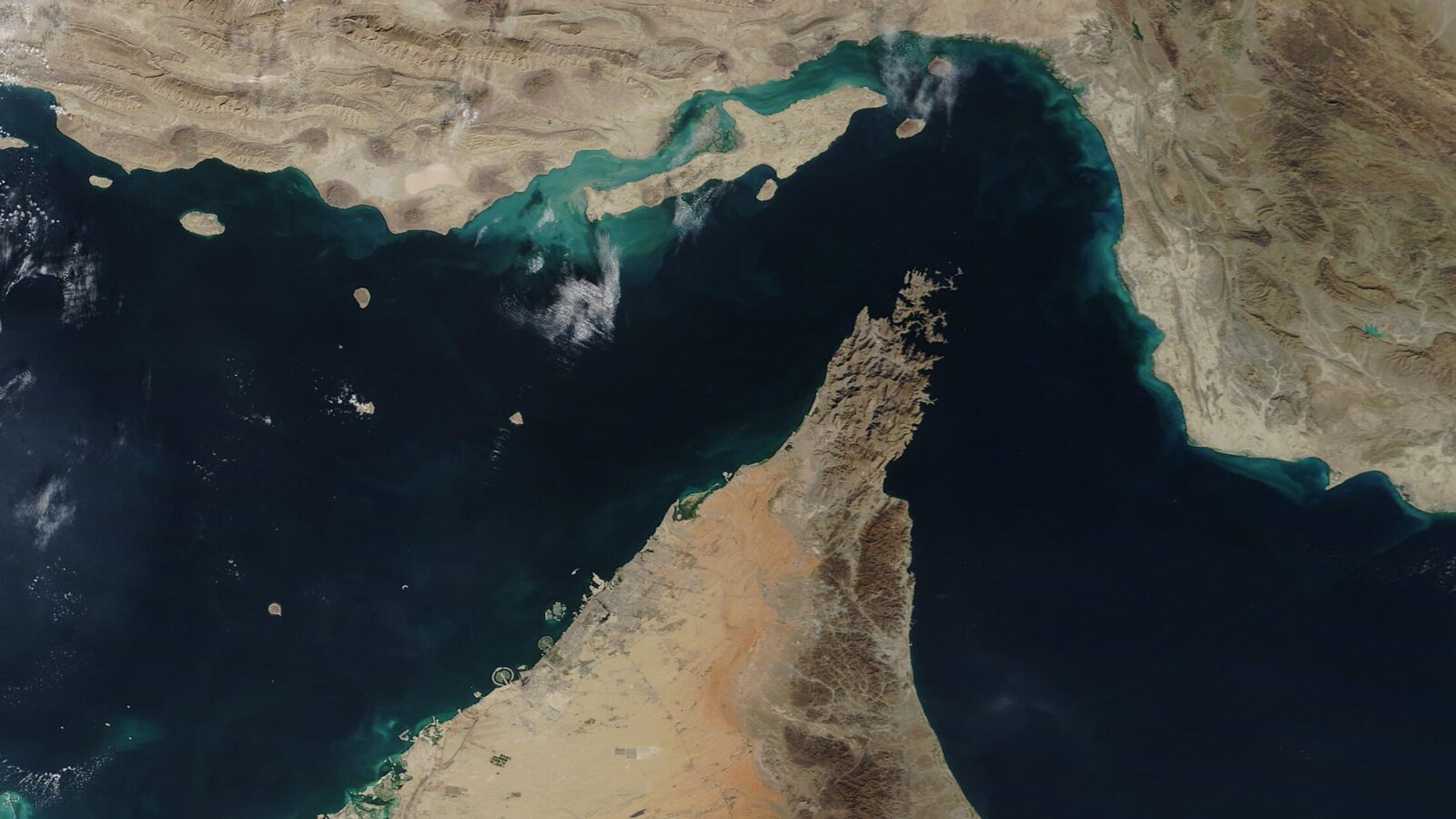
Reuters reported Wednesday that Iran and Oman have reached an understanding on the geographic coordinates for a shipping route through the Strait of Hormuz, according to Iranian Foreign Ministry spokesperson Esmaeil Baghaei. The Guardian, citing Iranian state news agency IRNA, reported that a joint statement was still being finalized and that Tehran warned outside interference could still obstruct the process.
The announcement does not settle the wider U.S.-Iran confrontation, and it does not by itself reopen the strait. But it makes the diplomacy more concrete than the strike-pause confusion earlier in the week. On Monday, Washington said talks were imminent while Tehran publicly narrowed the process to technical discussions with Oman. Now the central test is operational: whether route coordinates can become a corridor with inspection rules, escort arrangements, and notification procedures clear enough for commercial traffic to resume.
Why This Is A Major New Step
The earlier diplomatic opening lowered the risk of immediate U.S. strikes but left the shipping question unresolved. The Iran-Oman route understanding puts a specific maritime mechanism at the center of the talks.
That distinction matters. A political statement can calm markets for a day. A working Hormuz corridor has to be usable at sea, hour by hour, by crews moving through a narrow and heavily monitored passage. Tanker operators need to know where they can sail, which vessels may escort them, what happens if a ship deviates from the corridor, and whether mines, drones, missiles, or naval stops remain credible risks.
The Guardian reported earlier this week that Iran said its active talks were with Oman over temporary safe navigation, not direct U.S. negotiations. Wednesday’s route-coordinates announcement appears to build on that narrower technical channel while leaving broader security disputes for a later phase.
What The Draft Still Has To Prove
The first unresolved issue is geography. Route coordinates are not a detail; they are the deal. A corridor that runs too close to Iranian security zones could be unacceptable to Tehran. A route that leaves commercial ships exposed could be rejected by insurers and shipping firms.
The second issue is verification. Al Jazeera and other regional outlets have reported that Iran wants guarantees against attacks or interdictions while temporary navigation talks continue. The United States and Gulf partners, meanwhile, want confidence that the route will not be used to mask military movement or expose allied vessels to surprise action.
The third issue is enforcement. If a tanker is challenged, if a drone is detected, or if a naval escort receives conflicting instructions, the agreement needs a rapid communication channel. Without that, a temporary corridor could fail at the first ambiguous incident.
Those details are why Wednesday’s route understanding is significant but not yet a reopening. It points to a possible mechanism, but it has not yet proved that the mechanism can survive contact with ships, commanders, insurers, and markets.
Why Markets Are Watching Every Clause
Oil prices fell earlier in the week after President Donald Trump paused planned strikes and signaled that diplomacy would get more time. MarketWatch reported that Brent and West Texas Intermediate both dropped sharply Monday as traders reduced the immediate war-risk premium.
But the price move did not mean the Strait of Hormuz was safe. The Wall Street Journal and other financial outlets have warned that the economic risk remains global because Hormuz disruption affects not only crude oil, but also liquefied natural gas, shipping insurance, freight schedules, and inflation expectations.
For energy importers in Asia, Europe, and Africa, the question is practical. If a corridor allows steady Gulf exports to resume, fuel and freight pressure can ease. If the draft breaks down over coordinates or enforcement, the market may quickly price in renewed disruption.
That is why the next announcement will matter less for its diplomatic language than for its maritime specifics. Shipping companies do not restart voyages because officials say progress is constructive. They restart when captains, insurers, port operators, and naval liaison teams have a route they can use without guessing.
Oman’s Central Role
Oman has long played a quiet mediation role between Iran, the United States, and Gulf states. In this crisis, that role is especially important because Muscat can host technical discussions without forcing either Washington or Tehran to frame the process as a public concession.
The Omani channel also fits the geography. Oman sits beside the waterway and has direct security interests in keeping commercial traffic moving. A route that ignores Omani concerns would lack regional credibility, while a route developed with Oman has a better chance of being accepted by commercial operators.
Still, mediation cannot replace implementation. Oman can help translate political intent into a navigational plan, but the parties must still agree how to monitor the corridor, how to handle violations, and how to prevent a temporary arrangement from becoming another disputed promise.
What To Watch Next
The clearest sign of progress would be a published or formally circulated route framework covering coordinates, timing, escorts, emergency communication, inspection limits, and a verification body. The second sign would be confirmation from both Washington and Tehran, not only from mediators or unnamed officials.
The third sign would come from the market itself: insurers easing restrictions, tanker operators resuming scheduled passages, and Gulf exporters confirming cargo movement without major delays.
Until then, the Hormuz route deal is best understood as a shift from crisis rhetoric to technical bargaining. That is real progress, but it is also where fragile diplomacy often becomes most exposed. The waterway will not reopen because coordinates have been discussed. It will reopen only if every side can trust the route.