
The newest attempt to move Gaza out of war and into civilian administration is already facing a sequencing fight: who moves first, Hamas with its weapons or Israel with its troops and air campaign.
The U.S.-backed Board of Peace says its Gaza envoy, Nickolay Mladenov, held detailed talks with Israeli Prime Minister Benjamin Netanyahu this week after Palestinian factions agreed to a disarmament roadmap. The board’s stated aim is to decommission weapons in Gaza and shift authority away from armed rule toward a civilian administration.
That would be a major step if it happened. But the diplomacy is now caught between competing conditions. Israel says Hamas must be fully disarmed before any meaningful withdrawal. Hamas says disarmament must be tied to Israeli withdrawal and a halt to attacks. Mediators are trying to keep the process alive while Israeli strikes continue and Gaza’s civilian toll keeps rising.
Why The Talks Matter
The latest roadmap grew out of months of negotiations around the Board of Peace, the body created under the U.S.-backed Gaza peace framework. The White House said in January that the board was designed to guide demilitarization, governance reform, and large-scale rebuilding after the ceasefire framework.
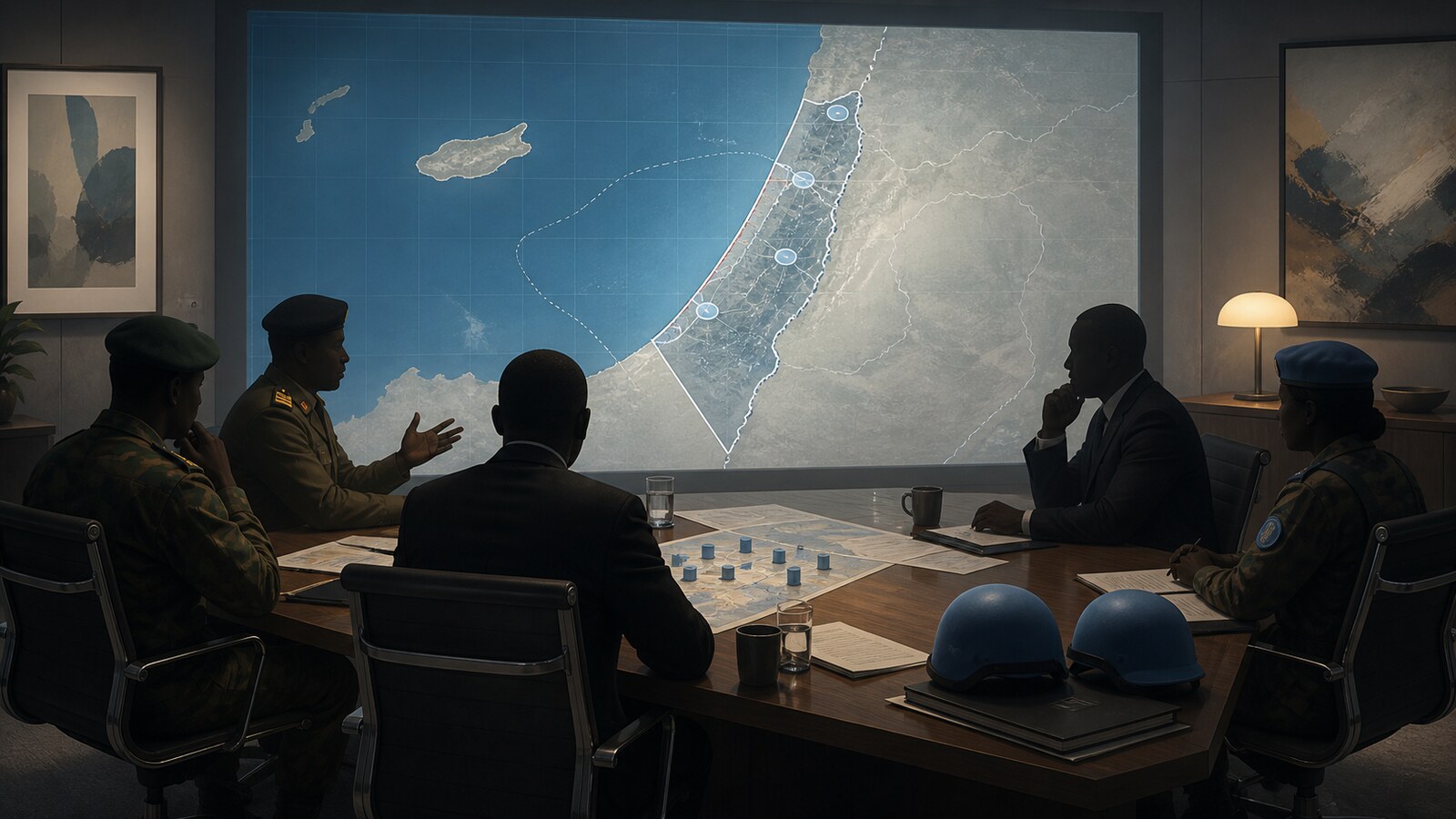
The Guardian reported that the plan announced at the end of July links phased Hamas disarmament to Israeli withdrawal and a transfer of power to a Palestinian technocratic administration. The plan also calls for an international verification committee and a stabilization force, both meant to prevent either side from claiming compliance without proof.
The Wall Street Journal reported that U.S. officials described the agreement as the start of an indefinite, multiphase process that could end Hamas’s rule in Gaza if Israel withdraws and Palestinian armed groups comply. Those officials also acknowledged the central weakness of the plan: verification would be difficult, and Israel’s government remains deeply skeptical.
The Immediate Sticking Point
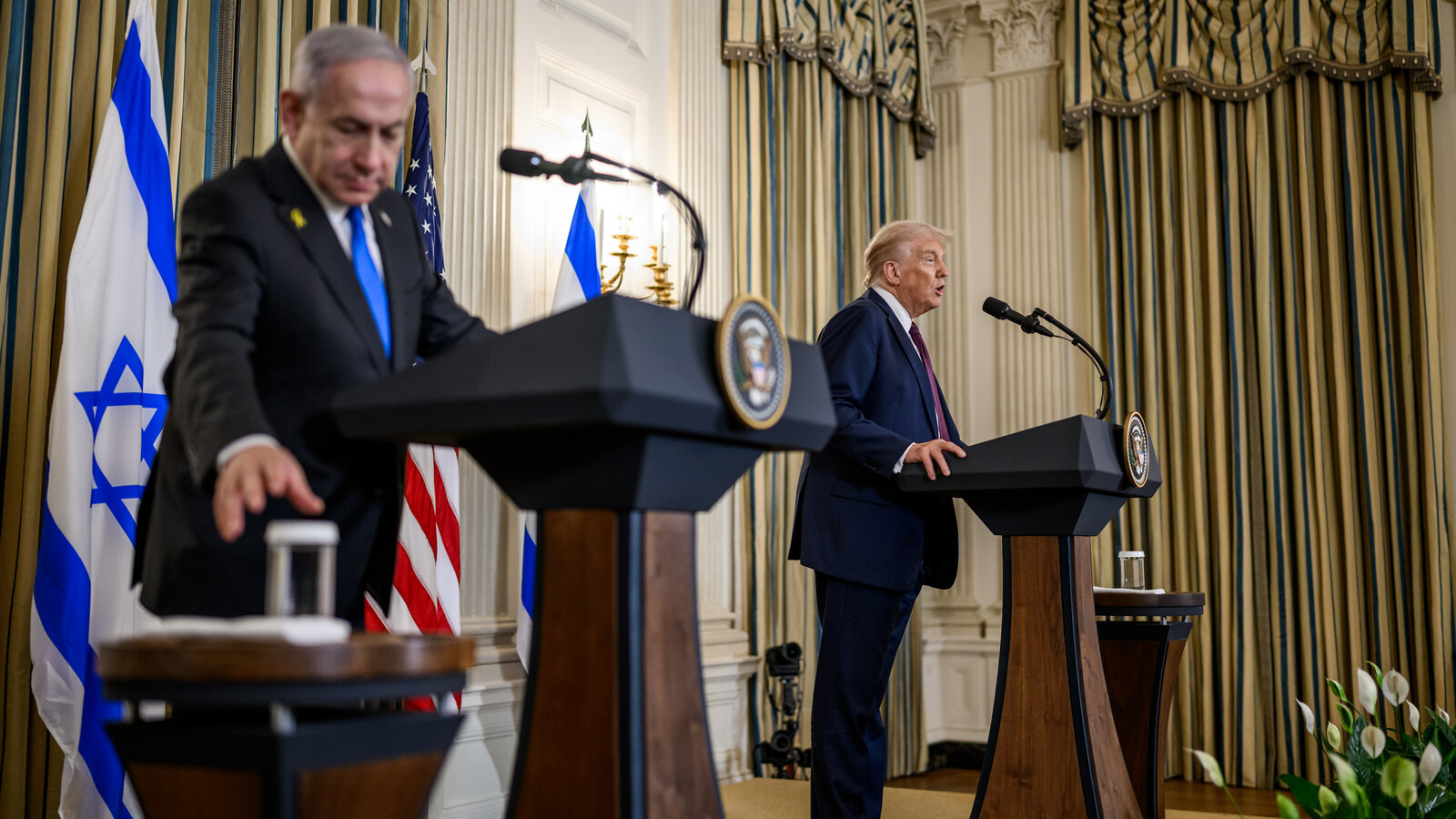
Associated Press reported that Mladenov met Netanyahu on Monday to discuss the new disarmament deal and urged a halt to Israeli strikes so the process could move forward. The Board of Peace said the talks with Netanyahu’s team were constructive and focused on replacing rule by armed groups with civilian governance.
Al Jazeera reported Tuesday that the board now says Israeli withdrawal will take place only after Hamas disarms. That formulation sharpened the dispute because Hamas negotiators have argued that weapons cannot be surrendered before Israel withdraws from Gaza and stops attacks.
Le Monde reported that Israel has intensified strikes and reaffirmed that it will not withdraw before full Hamas disarmament. The French newspaper said Israeli objections include the handling of an international stabilization force, the destruction rather than storage of weapons, and the role of regional mediators in verification.
Those objections go to the core of the process. If weapons are stored, Israel may argue the threat remains. If weapons are destroyed before withdrawal, Hamas may argue it has given up its leverage without guarantees. If verification is weak, both sides can accuse the other of bad faith and freeze the next stage.
A Roadmap Without Trust
The plan’s structure depends on reciprocity: each step by one side unlocks a step by the other. That is easier to write than to enforce in Gaza, where the ceasefire has already been repeatedly contested.
AP reported that Israeli strikes over the weekend killed 17 people, according to Gaza medics, and that Israel has cited security concerns while maintaining operations. Al Jazeera reported that more than 1,200 Palestinians have been killed since the October 2025 ceasefire, while Gaza’s Health Ministry says the overall death toll since the war began in October 2023 has surpassed 73,000. Israel disputes some figures from Gaza authorities but has not offered an alternative comprehensive casualty count.
The political pressure is also heavy. Netanyahu faces Israeli security demands and pressure from hardline coalition figures who oppose concessions to Hamas. Hamas faces pressure inside Gaza from a population exhausted by displacement, hunger, ruined infrastructure, and repeated failed promises of relief. Regional mediators including Egypt, Qatar, and Turkey are trying to keep a diplomatic channel open while arguing that attacks on Gaza undermine the plan’s credibility.
What The Board Of Peace Is Trying To Build
The Board of Peace model is intended to separate three problems that have blocked earlier ceasefire diplomacy: security, governance, and reconstruction.
On security, the plan seeks a verified process to decommission weapons, dismantle military infrastructure, and prevent armed factions from retaining effective control. On governance, it would transfer civil administration to the National Committee for the Administration of Gaza, a technocratic Palestinian body supported by outside partners. On reconstruction, it would unlock international funding and planning that has been largely frozen because of ongoing violence and uncertainty over who controls Gaza.
The January White House release said the board was formed to mobilize global resources and enforce accountability around the next phases of Gaza’s demilitarization and rebuilding. But the latest dispute shows that the board’s authority depends on the parties accepting its sequencing and verification system.
That has not happened yet.
What To Watch Next
The first test is whether Israel formally accepts a version of the roadmap and pauses strikes long enough for a 14-day implementation window to begin. Without that, the plan remains a diplomatic framework rather than an operational ceasefire mechanism.
The second test is whether Hamas and other armed factions provide verifiable steps on weapons, tunnels, depots, and command structures. Vague commitments will not satisfy Israel or outside monitors.
The third test is whether the civilian administration can enter Gaza and begin operating. A technocratic committee cannot replace Hamas on paper alone. It would need access, police support, funding, public legitimacy, and protection from both armed factions and Israeli military action.
For now, the Gaza disarmament talks have produced a roadmap but not a working sequence. The next few days will show whether the Board of Peace can turn a diplomatic announcement into enforceable steps, or whether the process joins the long list of Gaza plans overtaken by events on the ground.