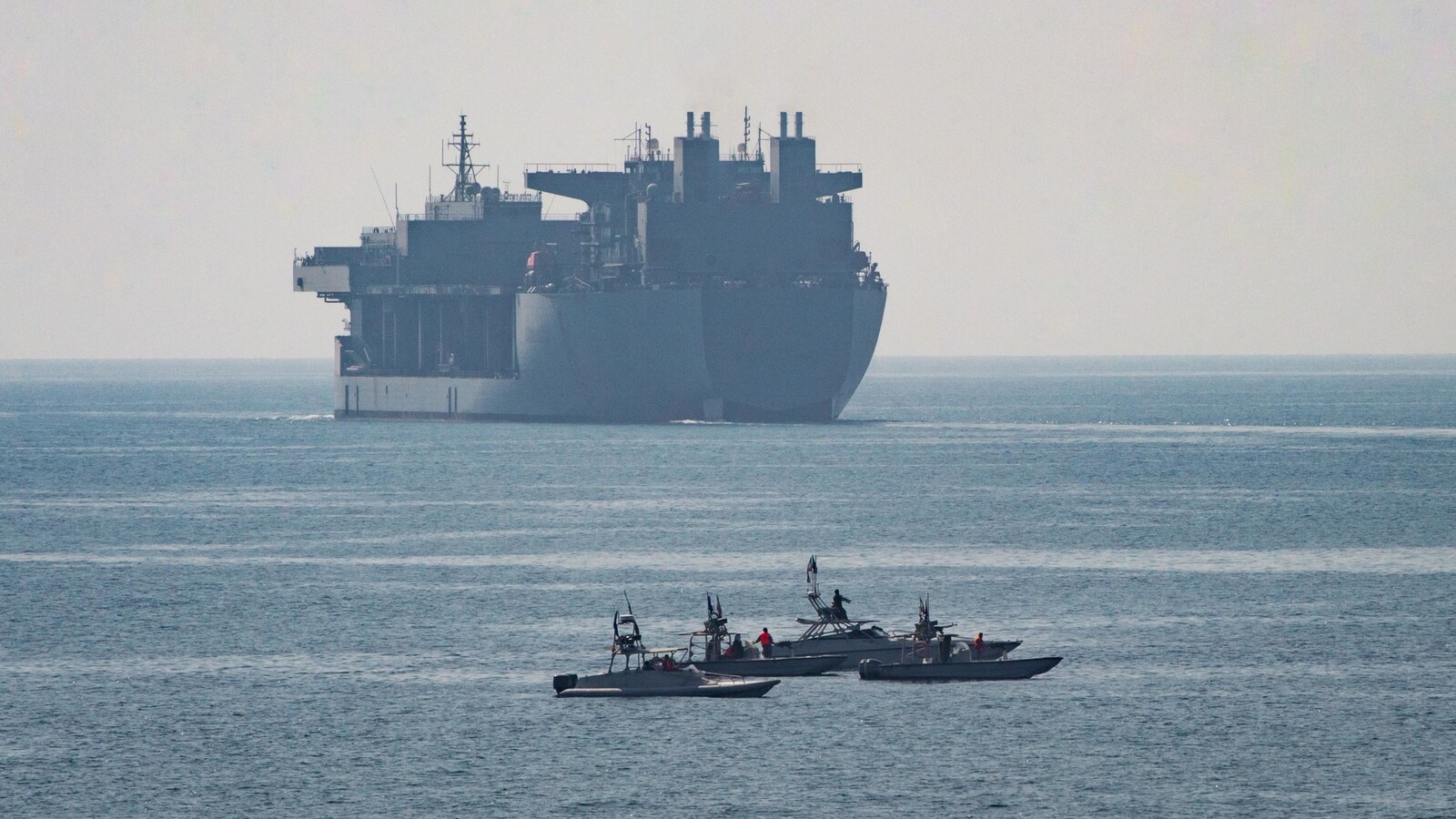
Two vessels linked to Abu Dhabi National Oil Company were attacked while transiting the Strait of Hormuz, according to the United Arab Emirates, putting one of the world’s most important energy corridors back at the center of the Gulf crisis.
ADNOC said the incident happened on Thursday evening and that no injuries were reported. The company said the situation was brought under control, while urging the public to rely on official information and avoid circulating unverified claims.
The UAE Ministry of Foreign Affairs went further, condemning what it called a hostile Iranian attack on the two ADNOC-affiliated vessels. The ministry said the targeting of commercial shipping violated freedom of navigation and amounted to using the strait as economic pressure against the region and the wider global energy system.
Iran had not immediately commented on the allegation when the first reports appeared. That gap matters. Until Tehran responds, governments, insurers and shipping operators have to weigh the UAE’s official accusation against the limited operational detail released so far: no vessel names, no cargo descriptions, no public damage assessment and no injury toll.
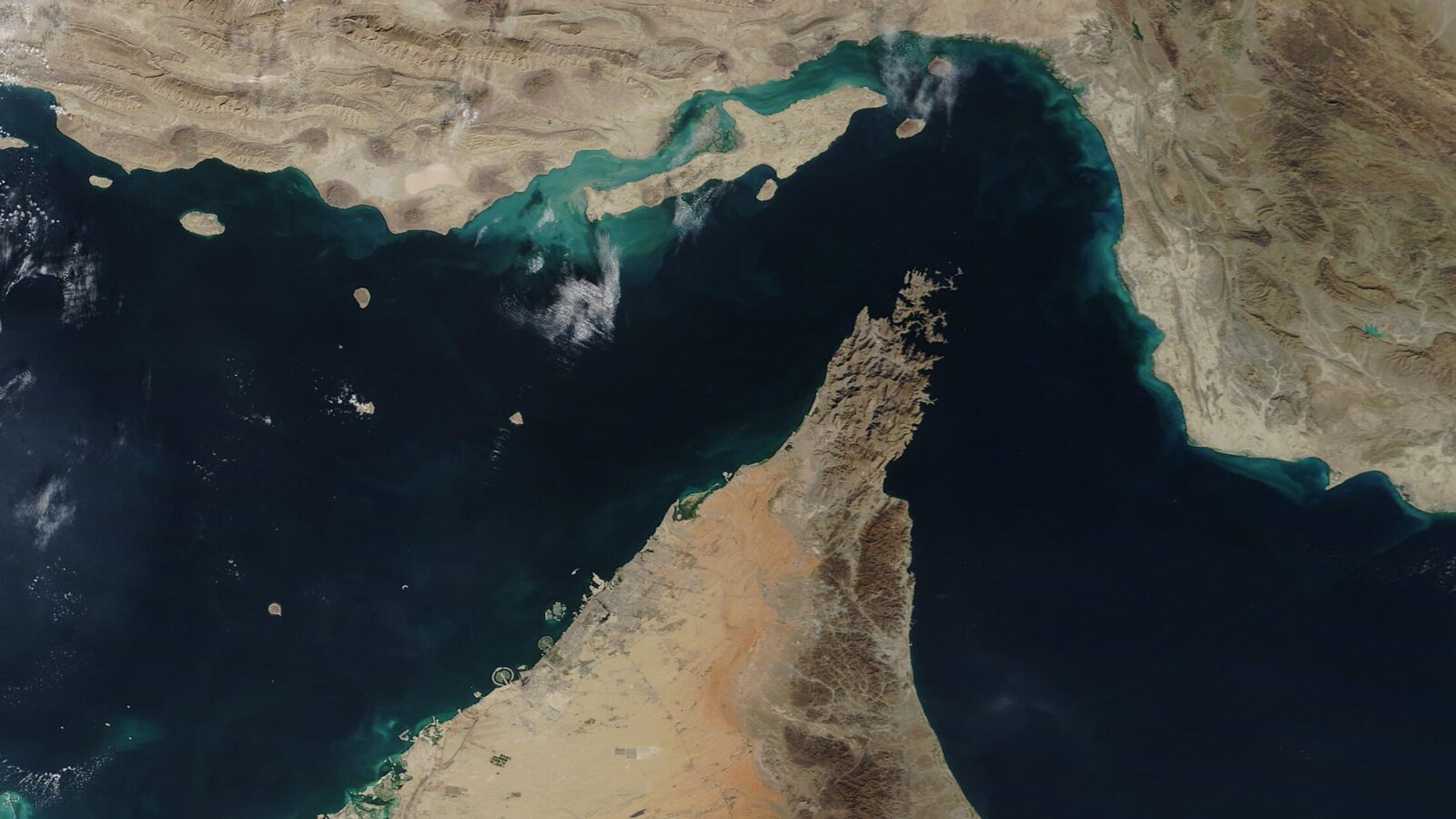
Even with those unknowns, the incident is globally significant because of where it happened. Hormuz is the narrow passage between the Gulf and the Gulf of Oman. Before the current conflict, roughly one-fifth of the world’s oil and liquefied natural gas moved through the waterway. A fresh attack there can affect more than regional diplomacy. It can influence crude prices, freight rates, insurance costs, refinery schedules and inflation expectations far from the Middle East.
What Is Confirmed
The confirmed public facts are narrow but important. ADNOC acknowledged that two of its vessels were attacked while crossing the Strait of Hormuz on August 13. The company said no one was injured and that the situation was under control.
The UAE’s official news agency reported that the company emphasized crew safety, maritime security and freedom of navigation. The Foreign Ministry then accused Iran’s Revolutionary Guards of targeting commercial vessels and said the attack threatened regional stability and global energy security.
Reuters reported that the incident was the second attack involving ADNOC vessels in less than a week. Al Jazeera, citing Emirati media and AFP reporting, said the UAE had also blamed Iran for a similar strike on an ADNOC tanker days earlier.
What remains unclear is equally important. Authorities have not publicly identified the vessels, said whether they were carrying crude, refined products or other cargo, or disclosed what weapons were allegedly used. They also have not released images of damage or a detailed timeline of naval response.
That uncertainty should keep the story from being overstated. The attack is serious because of the location, the state-owned energy company involved and the UAE’s direct attribution to Iran. But the scale of physical damage has not yet been established in public.
Why Hormuz Matters
The Strait of Hormuz is not just another shipping lane. It is the exit route for much of the Gulf’s seaborne energy trade, including supplies tied to the UAE, Saudi Arabia, Kuwait, Qatar, Iraq and Iran. When Hormuz becomes unstable, energy buyers in Asia, Europe and Africa all have to reassess risk.
The waterway is also narrow enough that security events can quickly have a commercial effect. A single attack may not close the strait, but it can make insurers raise war-risk premiums, make shipowners delay voyages and force energy companies to spend more on escorts, monitoring and contingency routes.
That is why this incident lands differently from an isolated maritime dispute. ADNOC is one of the world’s major state energy companies, and the UAE is a central Gulf producer and exporter. If vessels tied to such a company are repeatedly attacked, the market reads the message as pressure on the commercial system that keeps Gulf exports moving.
The new incident follows weeks of reporting on temporary route discussions, naval pressure and the question of whether commercial traffic can trust any proposed safe corridor. Earlier Hormuz diplomacy focused on whether Iran and Oman could define workable route coordinates. The latest attack raises a harder question: whether a route is useful if vessels still face targeting risk while crossing it.
The UAE’s Legal Argument
The UAE framed the attack as a violation of international navigation rules and referred to UN Security Council resolution 2817. Abu Dhabi’s argument is that commercial vessels should not be targeted or blocked as leverage in a wider military confrontation.
That framing is deliberate. The UAE is not only telling Iran to stop. It is asking other governments to treat the incident as a global shipping problem rather than a bilateral quarrel. The phrase “global energy security” is aimed at capitals that depend on Gulf fuel flows but may be reluctant to enter another Middle East confrontation.
The legal language also gives Abu Dhabi room to push for coordinated diplomatic, naval or sanctions responses. If the attacks are treated as piracy or coercion against commercial navigation, the UAE can argue that neutral shipping states and energy importers have a direct stake in enforcement.
For now, however, the public record does not show what response will follow. The first stage is likely to involve ship inspections, insurance assessments, diplomatic consultations and attempts to confirm the exact weapons, location and chain of command behind the incident.
Energy Markets Face A Confidence Test
Markets do not need a full closure of Hormuz to react. They move when the probability of disruption changes. Repeated incidents involving tankers or energy-company vessels can push traders to price in higher risk even if oil continues to flow.
The immediate questions are practical. Can ADNOC and other Gulf exporters keep schedules intact? Will shipowners demand higher rates to cross the strait? Will insurers add new premiums or exclusions? Will navies increase escorts, and could that increase the chance of a confrontation with Iranian forces?
The answers will determine whether this becomes a short security alert or another step toward a more expensive and less predictable Gulf shipping environment.
The impact could also reach countries that are not directly involved in the conflict. Fuel importers face higher landed costs when shipping and insurance become more expensive. Airlines, factories, farms and households can all feel the downstream effect if energy prices rise for long enough.
That makes the Hormuz story relevant alongside recent coverage of Bab el-Mandeb shipping risk and wider oil-price pressure around maritime chokepoints. The problem is no longer only one strait. It is the growing vulnerability of connected routes that move energy, food, manufactured goods and industrial inputs across continents.
What To Watch Next
The first signal is whether Iran comments directly. A denial, justification or counterclaim would shape the diplomatic phase and could influence how other governments respond.
The second signal is whether ADNOC or the UAE releases more operational detail. Vessel names, cargoes, damage assessments and navigational data would help clarify the scale of the attack and whether it points to a wider pattern.
The third signal is market behavior. If crude prices, tanker rates or war-risk premiums rise sharply, that would show that commercial actors see the latest incident as more than a contained security event.
The fourth signal is military posture. More escorts, tighter naval warnings or new interdictions could protect some ships while also raising the chance of miscalculation in a crowded waterway.
For now, the UAE’s message is clear: Abu Dhabi sees the attacks as part of a campaign against commercial navigation, not an isolated hazard at sea. The unresolved question is whether international pressure can keep Hormuz open and commercially usable without turning a shipping crisis into a wider military escalation.