
Exploring Petrichor: Nature’s Aroma of Renewal and Wonder
Petrichor, that irresistible earthy scent after the first rain on dry soil, stirs deep emotions and memories for people worldwide.
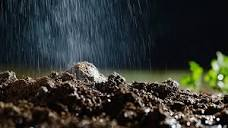
This phenomenon blends science, culture, and sensory delight, making it a timeless topic. Let’s dive broadly into its origins, impacts, and more in this extended exploration.
Defining Petrichor
Petrichor refers to the pleasant smell produced when rain falls on parched ground. It mixes scents from plant oils, bacterial compounds, and atmospheric elements.
First named in 1964 by Australian scientists, the term evokes a sense of earth’s vitality awakening.This aroma differs from regular rain smells it’s uniquely tied to drought-breaking showers.
Urbanites notice it on sidewalks; farmers sense it in fields. Its allure lies in subtlety, often peaking in the first minutes of precipitation.
Chemically, petrichor stems from volatile oils released by plants during dry periods. These accumulate in soil pores until rain splashes them airborne.
Key player geosmin, produced by actinobacteria, gives the musty note humans detect at tiny concentrations—down to 5 parts per trillion.
Lightning during storms contributes ozone, adding a crisp edge. Studies show raindrops hitting soil at 5 meters per second eject scent-laden aerosols.
Temperature matters: warmer, drier pre-rain conditions intensify the release.Research from institutions like the University of Alaska confirms humans evolved sensitivity to geosmin, possibly aiding survival by signaling fresh water or fertile land.
Modern labs replicate it using gas chromatography for perfumes.
Historical DiscoveryIn 1964, Isabel Joy Bear and R.G. Thomas published “Nature of Argillaceous Odour” in the journal Nature. They isolated plant oils from dry Australian soils, proving rain as the trigger.
The name “petrichor” fuses Greek petra (stone) and ichor (divine blood), poeticizing a scientific find.Earlier, poets like John Bradbury described it in 1813 travelogues, but Bear and Thomas formalized it.
By the 1990s, NASA explored similar scents on wet meteorites, linking petrichor to cosmic origins.Cultural Significance WorldwidePetrichor permeates global cultures.
In India, it’s “petrichor” in perfumes inspired by monsoon arrivals, celebrated in Bollywood songs. Japanese haiku capture its fleeting peace; Native American lore ties it to renewal spirits.African traditions, including Kenyan folklore, view rain scents as ancestral blessings ending droughts.
Literature from Coleridge to modern authors uses it metaphorically for hope. Social media trends like #PetrichorVibes share global photos during storms.In wellness, it’s aromatherapy gold candles mimicking it reduce anxiety per user reports.
Festivals in Australia even host “Petrichor Nights” with rain simulations.
Petrichor in Art and Media
Music evokes it: songs like “Petrichor” by indie bands blend folk with ambient rain sounds. Films use subtle audio cues for emotional peaks, as in post-apocalyptic scenes where rain signals rebirth.
Perfumery giants like Demeter release “Petrichor” fragrances, layering geosmin synthetics with vetiver. Visual art features misty landscapes; Instagram art challenges explode yearly with rain-themed abstracts.
Literature abounds: Octavia Butler’s sci-fi nods to it as a terraforming marker. Poetry anthologies dedicate sections, with lines like “earth’s breath after silence.”
Petrichor triggers nostalgia via the olfactory bulb’s direct brain link, bypassing filters. Studies link it to lower cortisol, enhancing mood post-dry spells. For urban dwellers, it’s rare nature therapy amid concrete.
In therapy, it’s used for grounding exercises inhaling deeply to reconnect. Seasonal Affective Disorder sufferers report uplift during petrichor moments. Cross-cultural surveys show 80% find it calming.
Petrichor signals ecosystem health: abundant actinobacteria indicate balanced soil microbiomes. Climate change disrupts it—erratic rains dilute scents, worrying ecologists. Reforestation efforts highlight its role in biodiversity.
In agriculture, it cues planting; Kenyan farmers time maize sowing post-petrichor. Urban green roofs amplify city petrichor, combating heat islands.
Replicating Petrichor at Home
DIY scents mix essential oils: vetiver, patchouli, and a geosmin drop if sourced. Humidifiers with clay pots simulate it. Rain gardens boost natural production plant drought-tolerant species.Tech recreates via diffusers with aerosol tech. Recipes abound online: simmer soil-inspired herbs for a stove-top version.
NASA’s Mars rover sniffs petrichor-like compounds, hinting at past water. Biotech firms engineer bacteria for custom scents. Air quality monitors now track geosmin as pollution markers.
Virtual reality rain sims incorporate olfactory modules for immersive experiences. Perfume AI predicts new petrichor variants from climate data.
Australian outback petrichor is oilier from eucalyptus; Sahara versions sharper from sands. Kenyan savannah blends acacia notes; Amazonian richer in fungi tones. Altitude alters it highland petrichor fresher.
Comparisons: sea spray rivals it salty; forest dew milder. Seasonal: summer petrichor bolder than winter’s.
Generally harmless, but mold-sensitive folks avoid strong whiffs. Geosmin links to safe water detection evolutionarily. No toxicity reports; it’s nature’s clean signal.
Future of Petrichor Studies
With climate shifts, research forecasts dimmer scents by 2050. Conservation pushes soil health initiatives. Space exploration eyes it for exoplanet life signs.Interdisciplinary fields merge olfaction science with AI for scent mapping. Public campaigns urge savoring it amid urbanization.
Step out post-dry spell; note wind direction carrying it strongest. Journal reactions for personal patterns. Share with kids teach earth’s language.Mindful walks amplify: focus breath syncing with scent waves. Photography captures dew-kissed grounds as visual petrichor.
Myth: It’s just wet dirt smell no, specific compounds. Not worms (that’s separate). Ozone isn’t primary; oils dominate. Lasts hours, not days.
In Nairobi’s February rains, petrichor cuts traffic haze, refreshing commutes. Rural Rift Valley farmers hail it as harvest harbingers. Ties to Luo and Kikuyu rain dances persist.
Local perfumers craft “Nairobi Petrichor” with volcanic soil notes. Social media buzzes with #KenyaPetrichor selfies.Economic AnglesPetrichor tourism booms: Australian “smell tours” charge premiums. Kenya could market Maasai Mara rain safaris. Scent industry: $10B market, petrichor niche growing 15% yearly.