
Discovering the Blue Wonder: Blueberries Uncovered
Blueberries captivate with their vibrant hue and sweet-tart flavor, making them a beloved superfood worldwide.
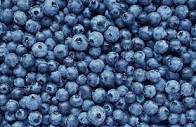
Blueberry plants follow a distinct annual growth cycle tied to seasons, progressing from dormancy to fruiting over months.
Dormancy to Bud Break, in late winter, plants enter dormancy with tight buds and no visible growth, tolerating cold down to 10-15°F. Spring warming triggers bud swell, where scales separate, followed by early green tip (1/16-3/16 inch green leaf tissue exposed) and bud break, revealing flowers. These early stages mark the shift to active growth.
The flowering Stages bud burst leads to tight cluster (flowers visible, tolerates 20-23°F), early pink bud, late pink bud (white closed corollas), early bloom, full bloom (most flowers open, 28°F tolerance), and petal fall, exposing tiny green fruit vulnerable at 32°F.
Pollination by bees during bloom is critical for fruit set.
Fruit Development and growth has three phases: rapid cell division (early green fruit, pea-sized), embryo development (slower growth, pale green), and cell expansion (coloring from pink to blue, softening).
Stages like 10% blue signal harvest start, up to 75% blue for machine picking over 2-5 passes.
Post-Harvest to Next CycleAfter ripening, shoots set tips (growth ends), leaves senesce, and reserves build for dormancy; new flower buds form in fall at shoot tips.
A second growth flush may occur post-harvest under moist conditions. Home growers in Kenya can mimic acidic soils for similar cycles in suitable microclimates.
Nutritional Powerhouse
Blueberries burst with antioxidants like anthocyanins, which combat oxidative stress and support heart health. A single cup delivers about 84 calories, 21 grams of carbs, 4 grams of fiber, and essential vitamins C and K, aiding immunity and bone strength.
Regular intake links to improved brain function and reduced inflammation in studies.
Toss fresh blueberries into smoothies, salads, or yogurt for a nutrient boost. Bake them into muffins, pies, or pancakes; their natural pectin thickens jams effortlessly.
Globally, they’re featured in sauces for meats or frozen for year-round desserts, appealing from American pancakes to European desserts.
Cultivation and Varieties
Thriving in acidic soils, blueberries grow on bushes in regions like North America, Europe, and Australia, with peak harvests in summer. Varieties range from wild lowbush (small, intense flavor) to highbush (larger, milder), and rabbiteye for warmer climates.
Sustainable farming emphasizes pollination by bees and organic practices.
Health and Wellness Benefits
Beyond vitamins, blueberries may lower blood pressure, enhance eye health via zeaxanthin, and aid diabetes management by stabilizing blood sugar.
Athletes value their anti-inflammatory effects for recovery; skincare enthusiasts use them in masks for glowing skin.
Native Americans used blueberries medicinally and as dye; today, they’re the second-most popular berry in the U.S. after strawberries.
Store them unwashed in the fridge for up to two weeks; freeze extras on trays to avoid clumping. Pair with chocolate or nuts for irresistible snacks.