
The Unsung Hero: Unwrapping the Cardboard Sleeve Around Your Coffee
That slender cardboard sleeve hugging your to-go coffee cup seems trivial, yet it transforms a scorching sip into a comfortable ritual.
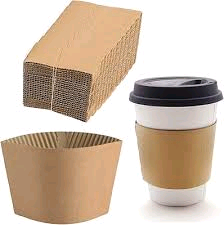
Emerging in the 1990s amid coffee culture’s boom, it shields hands from burns while boosting brand visibility.
A History of Heat DefenseCardboard sleeves, often called “zarfs,” gained popularity as disposable coffee cups proliferated in urban cafes worldwide.
Before them, patrons endured scorched fingers or bulky holders; innovators like Starbucks standardized the sleeve for mass appeal.
By the early 2000s, they became ubiquitous, evolving from plain brown wraps to printed canvases.This simple invention addressed a core pain point: hot beverages at 160-185°F (70-85°C) can cause instant discomfort through thin paper cups.
Sleeves trap air pockets for insulation, dropping surface heat by up to 50% without altering the drink’s temperature.
Why Sleeves Matter: Protection and Practicality
The sleeve’s chief role is thermal insulation, creating a barrier that absorbs radiant heat and prevents direct contact.
Its corrugated or layered design enhances grip, reducing slips crucial for commuters juggling bags and phones.Beyond safety, it aids branding: cafes print logos, slogans, or QR codes, turning waste into walking ads.
Custom designs foster loyalty; some shops embed motivational quotes or eco-messages, subtly influencing customer mood.
For cold drinks like iced lattes, sleeves combat condensation, keeping exteriors dry and hands clean.
Environmental Angle: Sustainable or Single-Use Menace?
Traditional sleeves use FSC-certified recycled paperboard, biodegradable and curbside recyclable in many areas. They outperform plastic or foam alternatives, which linger in landfills, though wax coatings on some hinder full recycling.
Innovations push greener frontiers:
• Bioplastic sleeves from cornstarch decompose faster.
• Plant composites like bamboo reduce virgin pulp needs.
• Reusable options in silicone or steel slash waste for regulars.
Critics note billions discarded yearly, urging cafes to adopt compostable mandates. Consumer habits matter toss sleeves in paper bins to close the loop.
Creative Repurposing and DIY Ideas
Don’t bin that sleeve; repurpose it into crafts that spark joy. Crafters dye them for junk journals, fold into greeting cards, or sew fabric versions as custom cozies.
DIY a sleeve cozy:
• Trace cup base on felt or cork.
• Cut a 10x3-inch rectangle, slit for thumb hold.
• Stitch or glue ends, add Velcro for reusability.
Videos abound for pattern drafting, fitting any cup size perfectly. Kids’ projects turn stacks into mini planters or pencil grips.
The Future of Coffee Sleeves
As sustainability surges, expect smart sleeves with embedded NFC chips for loyalty apps or scannable art.
Brands experiment with edible wraps or dissolvable films, minimizing trash entirely.Next time you slide one on, appreciate its quiet genius protecting palms, promoting prints, and paving eco-paths. What’s your sleeve story?