
The Space Between Your Eyebrows: Unlocking the Secrets of Your “Third Eye” Glabella
Ever caught yourself staring in the mirror, fixated on that smooth (or furrowed) patch of skin right between your eyebrows? That little spot has a name glabella and it’s way more fascinating than it looks.
From ancient spiritual traditions to modern skincare woes, this unassuming area packs a punch in culture, health, and even your daily mood.
In this post, we’ll dive deep into its history, science, and quirks. Whether you’re into yoga, dermatology, or just curious about your face, stick around you might never look at your forehead the same way.
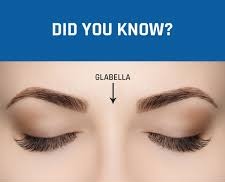
A Quick Anatomy Lesson: What Exactly Is the Glabella?Let’s start with the basics. The glabella is the flat, triangular area of skin between your eyebrows and above the nose bridge.
It’s flanked by the superciliary arches (those bony ridges under your brows) and sits atop the nasion, where your nose meets your forehead.
Medically, it’s a hotspot for muscles like the corrugator supercilii and procerus, which pull your brows together when you’re frowning or squinting.
That’s why it wrinkles easily constant expressions etch lines there over time, earning it the nickname “elevens” for those parallel furrows.
Fun fact: In forensics, the glabella’s thickness helps determine age and gender from skulls, as it toughens with hormonal changes.But it’s not just skin deep. This zone connects to key nerves and blood vessels, influencing everything from headaches to facial expressions.
Think of it as your face’s emotional dashboard furrowed? You’re stressed. Smooth? Zen mode activated.
The Spiritual Side: Third Eye Chakra and Beyond
If anatomy feels too clinical, let’s get mystical. In Hinduism and yoga, the space between the eyebrows is the ajna chakra, or “third eye.” Sanskrit for “command,” ajna is your intuition center, linked to insight, clarity, and higher consciousness.
Yogis meditate on it (called trataka) to sharpen focus stare at a candle flame there to awaken inner vision.Ancient Egyptians vibed with this too, painting the Eye of Horus over it for protection.
Tibetan Buddhism calls it the “wisdom eye,” and in Chinese face reading (physiognomy), a broad glabella signals intelligence and leadership.
A narrow one? More introverted vibes.Modern spirituality amps it up. Crystal healers slap amethyst or lapis lazuli on the spot for pineal gland activation your brain’s “third eye” gland that regulates sleep via melatonin.
Ever had a vivid dream after forehead yoga? Thank ajna. Skeptical? Studies in Frontiers in Psychology (2020) show meditation targeting this area boosts emotional regulation and creativity.
Pro tip: Try a simple third eye meditation. Sit quietly, breathe deeply, and visualize indigo light pulsing between your brows. Five minutes daily could dial down anxiety users on apps like Insight Timer swear by it.
Cultural Quirks: From Beauty Standards to Superstitions
Globally, the glabella shapes beauty and folklore. In ancient Greece, women plucked or painted it smooth for a serene look, symbolizing wisdom. Fast-forward to Renaissance Europe: High, pale glabellas framed elaborate brows as aristocratic status symbols.
In East Asia, K-beauty obsesses over it smooth glabellas via gua sha tools prevent “frown lines” for that flawless V-face. Bollywood stars in India highlight it with bindis, a dot of kumkum representing the third eye and marital status.Superstitions abound.
Some African traditions (including Kenyan folklore) see twitching there as a sign of incoming visitors or good news.
In Japan, it’s tied to hitsuji no sei a furrowed glabella means determination. And beware the “monobrow”: While Frida Kahlo rocked it as empowerment, some cultures shave it for luck.Pop culture nods? Think Spock’s raised brow on Star Trek or the Mona Lisa’s enigmatic glabella da Vinci knew it drew eyes to subtle emotions.
Health and Skincare: Wrinkles, Tension, and Fixes
Now, the practical stuff. That space is a tension magnet. Chronic frowning from screens or stress causes hyperfunctional facial lines, per dermatologists. By age 30, 80% show early glabellar wrinkles, worsening with sun damage (UV rays break collagen here first).
Tension headaches often start here tight corrugator muscles refer pain to your temples. Migraine sufferers: Notice throbbing between brows? That’s your glabella signaling overload. Skincare hacks:
-Botox goldmine: It’s the #1 spot for injections, relaxing muscles for 3-6 months. Costs $300-600 in Nairobi clinics like those in Westlands.
-Topicals: Retinoids, hyaluronic acid serums, or peptides plump it up. Kenyan brands like Marini or Bio-Oil work wonders.
-Massage: Press gently with knuckles in circles releases fascia, boosts circulation.
-Prevention: Sunscreen daily (SPF 50), blue-light glasses, and facial yoga (search “Frownies” exercises).
Holistic fixes? Acupuncture targets glabella points for sinus relief and calm. A 2022 Journal of Cosmetic Dermatology study found gua sha reduced wrinkles by 20% in 8 weeks.
Everyday Ties: Expressions, Aging, and Fun Experiments
Your glabella broadcasts mood before words do. Psychologist Paul Ekman notes it’s key in reading anger or concentration micro-expressions flash there in milliseconds.Aging angle:
As estrogen dips post-40, skin thins, making lines permanent. Men get it too, but testosterone keeps theirs firmer longer.
Try this at home: Mirror test. Relax your face—smooth glabella?
Good stress levels. Furrowed baseline?
Time for a break.In sports like boxing, a strong glabella protects against blows.
Evolutionary perk? Primates have pronounced brow ridges there for intimidation.
From chakra portal to wrinkle warrior, the space between your eyebrows is a microcosm of you spiritual gateway, emotional barometer, beauty battleground. Next time you furrow it, pause: What story is it telling? Smooth it out, meditate on it, or slather on serum. Either way, honor this tiny powerhouse.What’s your glabella saying today? Share in the comments furrowed for focus or chill for calm?