
Kenya’s Alarming 4th Place in Africa’s Wash Wash and Organized Crime Surge
Kenya has climbed to fourth in Africa for organized crime, driven by rampant “wash wash” money laundering and financial scams, as highlighted in recent reports.
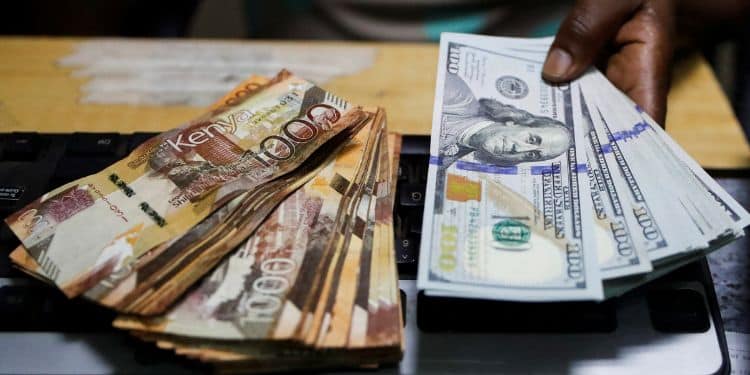
This ranking underscores vulnerabilities in the country’s financial and logistics hubs.
According to the ENACT Africa report, continent-wide criminality average rose to 5.11/10; financial crimes grew fastest, enabled by state actors in 48% of severely affected markets.
“The most pervasive criminal markets are financial crimes, human trafficking, non-renewable resource crimes, the trade in counterfeit goods, and arms trafficking,” the report noted partly.
What Drives the Ranking?
The ENACT Organised Crime Index for 2025 scores Kenya at 7.18 out of 10 for criminality, up from 6.14 in 2019, making it first in East Africa.It trails only the Democratic Republic of Congo (7.47), South Africa (7.43), and Nigeria (7.32).
Africa’s Top 10 Organised Crime Countries (ENACT 2025 Index)
According to the ENACT Africa Organised Crime Index 2025 for Kenya’s “wash wash” ranking, the Democratic Republic of the Congo tops the list with a criminality score of 7.47, driven by high illicit markets like non-renewable resources and conflict-related crimes.
South Africa ranks second at 7.43, facing entrenched networks in financial crimes, heroin trafficking, and cyber threats, as detailed in the index.
Nigeria holds third place with 7.32, noted for surging financial scams and ransomware, alongside other illicit trades.
Kenya is fourth with 7.18, leading East Africa due to wash wash money laundering, cyber fraud, and port-based heroin flows.
Libya comes fifth at 7.05, impacted by arms trafficking and instability-fueled organised crime.
The Central African Republic is sixth with 7.03, where volatile environments amplify criminal markets.
Uganda ranks seventh at 6.65, part of East Africa’s rising trends in various illicit activities.
Mozambique and Sudan tie for eighth with 6.63 each, linked to resource crimes and regional conflicts.
Somalia rounds out the top 10 at tenth with 6.55, affected by piracy remnants and extremism-tied networks.
This link this directly to “wash wash” schemes fake currency laundering cons prevalent in Nairobi, Mombasa, and Kisumu—alongside heroin trade via Mombasa port.
Financial crimes and cyber scams both score 8/10, exploiting digital growth and informal systems like hawaladars for laundering proceeds from fraud, trafficking, and identity theft.
Inside the Wash Wash Scam
Scammers lure victims with promises of turning “black money” (supposedly dyed genuine cash) into clean bills using fake chemicals. They demand escalating payments for solutions that “spoil” or face customs issues, then vanish, costing Kenyans billions annually.
These gangs often recruit youth and use Nairobi’s transit role for gold scams and fake dollars, drawing international attention like UK partnerships against them.
As East Africa’s economic hub, Kenya’s ports and highways double as crime corridors, blending illicit trades with legitimate business. Human trafficking and heroin from Indian Ocean routes add to the mix, with recent seizures highlighting Mombasa’s role.
This erodes trust in financial systems and fuels Kenya’s past FATF grey list status over AML gaps. Authorities like DCI are cracking down with FBI aid on transnational rings, but boosting resilience scores measuring institutional response remains key.
Public awareness, stricter crypto regs, and prosecuting scams could reverse the trend and protect Kenya’s economy.