
KUCCPS Unlocks University Dreams: New Pathways for C Plain KCSE Students and Below
The Kenya Universities and Colleges Central Placement Service (KUCCPS) is exploring reforms to the traditional C+ university entry threshold, offering alternative degree routes for students with C plain and lower grades.
This shift aims to broaden access to higher education through bridging programs, TVET pathways, and credit transfers, addressing capacity gaps and skill demands in Kenya’s evolving job market.
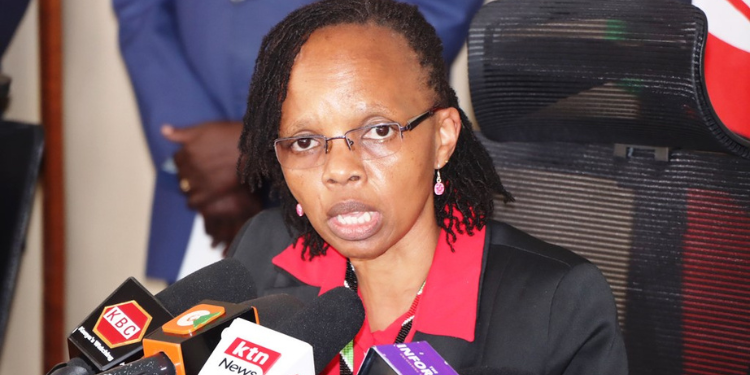
Speaking during an interview on January 27, Wahome said the C+ entry grade has been glorified for decades, creating the false impression that learners who do not meet it have limited chances.
“This is a conversation that, in terms of measuring performance based on those that go to university, is a conversation that needs to start dying off as we get into CBC, because I think we have overemphasized the grades,” Wahome stated.
Breaking Down the C+ Barrier
Historically, only C+ mean grades qualified for direct degree placement, leaving many with C plain, C-, or below to pursue diplomas or certificates.
“Those who don’t get a C+ and they take another pathway in life, they start off with a certificate, they go to a diploma, and they still end up in the university. But nobody talks about them.”
KUCCPS now proposes short TVET courses (e.g., craft certificates) completed in 9 months, with credits transferable to universities for full degrees.
Out of 993,000 students expected in the 2025 cohort, only around 270,000 will qualify for public university placement, leaving more than 700,000 outside the public university system.
For 2025/2026 placements, applicants select up to 6 degree choices (C+), 4 diplomas (C plain to E), or 4 craft/artisan options (D+).
Eligible Pathways and Programs
Students with C plain can target diploma-to-degree ladders at institutions like Co-operative University or Pwani University, covering fields from business management to IT.
Those below C plain access Level 5 craft certificates (e.g., sales/marketing, HR) or Level 4 artisan programs, with revisions open for unfilled slots.
Revisions prioritize Form Four leavers and prior candidates via kuccps.net, including new courses in cooperatives and finance.
The objective is to create an education system that matches learners’ abilities and interests with Kenya’s economic needs while supporting diverse routes into higher learning and employment.
She highlighted that the country lacks reliable data on critical trades needed for national development, including those required for large‑scale projects such as affordable housing, manufacturing, and infrastructure.
The lack of centralised information on training output and labour demand limits the government’s ability to establish the number of technicians, artisans, and professionals across key sectors.
Application Process Simplified
Log into kuccps.net, browse programs by code/institution, add to basket, and submit up to 8 choices with fees.
Huduma Centres offer support in major towns; opt-in for second-level placements if first choices miss.
Deadlines align with cycles like First Revision for 2025/2026, targeting unplaced KCSE 2024 students.
This aligns with TVET PS calls for practical skills over prolonged waits, boosting employability in sectors like tech and agribusiness.
With government sponsorship for approved programs, it eases financial burdens while filling university vacancies. Critics note equity concerns, but proponents see it as inclusive growth for Kenya’s youth.