
Kenya Rockets to Africa’s Space Frontier as Sole ARISS Host
Kenya Space Agency announced on January 23, 2026, that the country is the only African nation selected to host the 2026 Amateur Radio on the International Space Station (ARISS) program, enabling direct radio chats with ISS astronauts.
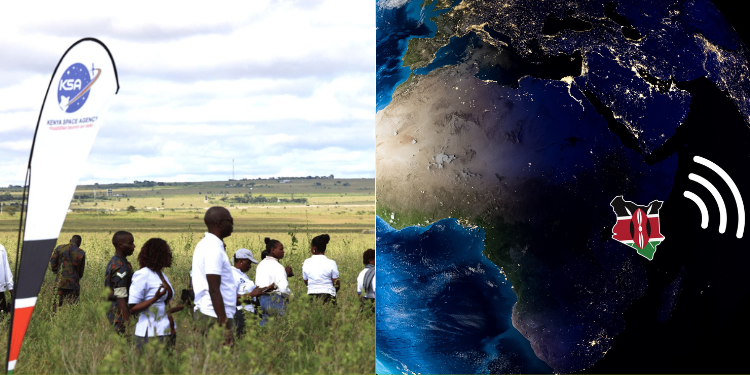
This milestone, echoing coverage on space achievements, positions Kenya as a continental leader in space innovation.
According to KSA, Kenya’s inclusion as the sole African host for the 2026 round reflects the country’s growing credibility in space science and its expanding role within Africa’s emerging space ecosystem.
ARISS Program Explained
ARISS connects students, professionals, and citizens worldwide with orbiting astronauts via amateur radio for about 10-minute live sessions during ISS passes over Earth.
Sponsored by NASA, ESA, Roscosmos, JAXA, CSA, and amateur radio groups like ARRL and AMSAT, it promotes STEM through voice contacts and Slow-Scan TV image transmissions.
Kenya’s hosting window spans July to December 2026, with an open call for participants soon.
In preparation, KSA said it will work closely with an assigned Pan-African Citizen Science e-Laboratory (PACS eLab) mentor and Harold Safary, the Agency Liaison, to coordinate technical readiness, outreach, and educational impact ahead of the contact sessions.
“This milestone brings space closer to the Kenyan people and empowers the next generation of explorers, researchers, and innovators,” the agency said, adding that an open call will be issued for institutions and individuals interested in participating in the live ISS communication.
As the sole African host for 2026, Kenya highlights its rising space profile, building on Taifa-1 satellite launch in 2023 for earth observation on agriculture, disasters, and climate.
KSA will collaborate with Pan-African mentors and liaison Harold Safary for seamless execution. This aligns with upcoming events like the June 2026 Global Data Festival and Kenya Space Expo in Nairobi.
Since its first crewed mission in 1998, the ISS has hosted more than 250 astronauts and cosmonauts, supported by mission control centres in Houston and Moscow, as well as payload and support centres in Japan, Canada, Europe, and the United States.
Kenya eyes a satellite launch facility between Malindi and Lamu via public-private partnerships.
Past feats include Taifa-1, built by local engineers at KSh 50 million, aiding food security and urbanization monitoring. Hosting ARISS boosts STEM inspiration, industry ties, and youth engagement in space science.
This selection elevates Kenya’s global standing, fostering innovation amid continental growth in space tech. Expect heightened public interest, school applications, and partnerships driving economic opportunities in STEM.