
Besigye’s Health Crisis Sparks Fears of Neglect in Ugandan Prison
Winnie Byanyima, wife of veteran Ugandan opposition leader Kizza Besigye, has raised alarms over his deteriorating health while in detention.
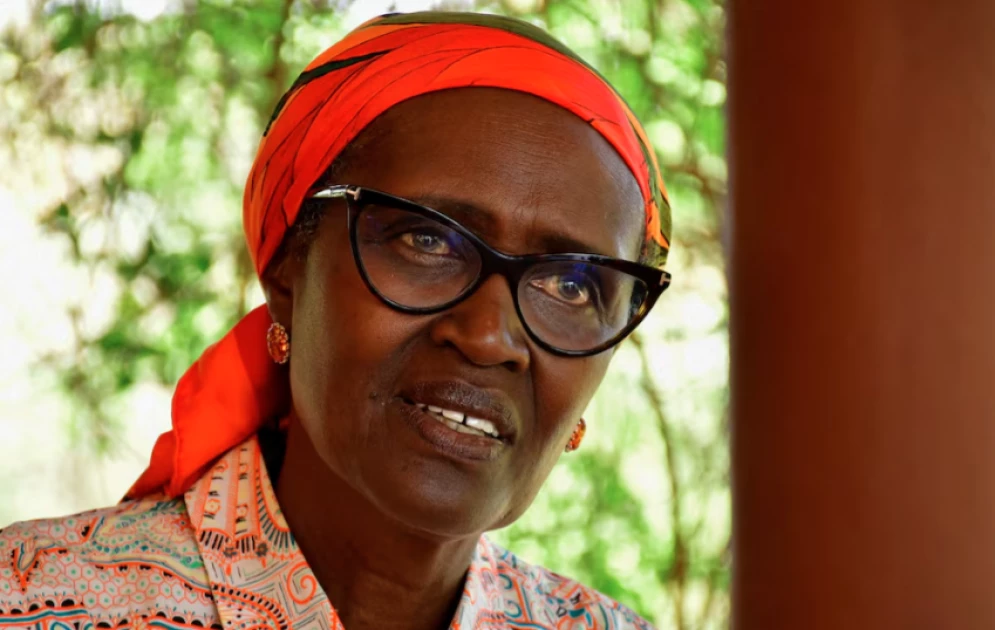
She describes his condition as critical, marked by severe stomach pain, high fever, dehydration, and inability to walk.
Reports highlight these concerns, noting Besigye’s limited food intake and isolation in harsh prison conditions.
Detention Background
Besigye, aged 69, has been held for over a year following his arrest in Kenya and extradition to Uganda on treason charges.
His lawyers, wife, and political allies have rejected the charges, describing him as a political prisoner targeted for opposing President Yoweri Museveni’s decades-long rule.
His allies, including Byanyima who serves as executive director of UNAIDS view him as a political prisoner targeted for challenging President Yoweri Museveni’s long rule.
The recent election, where Museveni secured another term with 72% of the vote amid fraud allegations from rival Bobi Wine, adds context to the opposition’s struggles.
Byanyima, after visiting her husband, reported shaking, leg pain, and refusal of prison medical care. A doctor suspects a bacterial infection, but test results remain pending, and authorities denied transfer to a private clinic.
Prison officials claim standard supervision suffices, yet Byanyima warns that delays endanger his life, with Besigye confined to a small, hot cell on a bug-infested mattress.
Prisons authorities had rejected Besigye’s request to be admitted to his private doctor’s clinic for effective treatment and monitoring, Byanyima said.
“Every hour they delay to do that is a cost on his life because his condition is not under control,” she said.
“He (Besigye) is a political prisoner, and he’s being treated in a way that is compromising his health right now.”
This incident underscores tensions in Uganda’s political landscape, where opposition figures face detention amid Museveni’s decades in power.
Byanyima demands access for personal physicians, framing it as a human rights issue that could rally regional support from East African observers. Calls grow for independent medical intervention to prevent a tragedy.