
Uganda’s Internet Flickers Back: Museveni’s Seventh Term Sparks Regional Debate
Uganda has partially restored internet access following President Yoweri Museveni’s landslide victory in the 2026 elections, marking his seventh term and extending his 40-year rule.
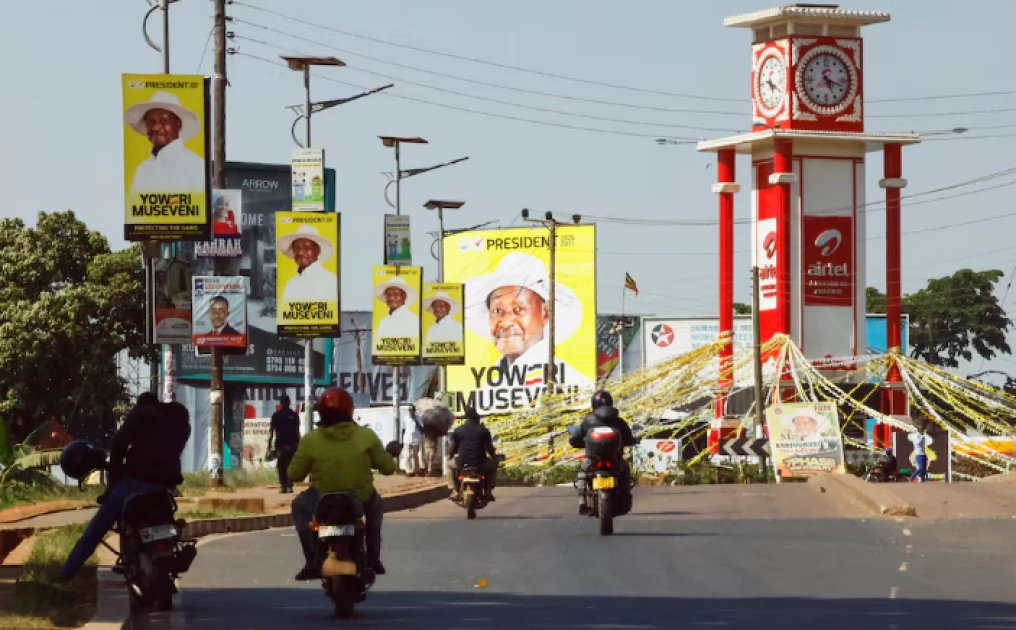
This move comes after a five-day nationwide shutdown aimed at curbing misinformation during the polls, a tactic that drew sharp criticism from opposition leaders and observers.
Coverage from regional outlets highlights the tension between security measures and democratic freedoms in East Africa.
Election Results and Shutdown Context
The Electoral Commission declared Museveni the winner with 71.6% of votes, while rival Bobi Wine secured 24%, rejecting the outcome as fraudulent.
Authorities imposed the internet blackout two days before voting on January 15, suspending mobile broadband, fiber, and social media to prevent “electoral fraud and disinformation,” as stated by the Uganda Communications Commission (UCC).
This reports on the shutdown’s impact, noting arrests of opposition supporters and threats to transparency.
“The internet shut down implemented two days before the elections limited access to information, freedom of association, curtailed economic activities…it also created suspicion and mistrust on the electoral process,” the team said in their report published on Saturday.
Internet services resumed around 11pm on January 17 for business purposes, but social media platforms remain blocked per UCC directives.
Airtel Uganda spokesperson David Birungi confirmed the restoration to support commerce, excluding platforms prone to unrest.
Users reported being able to reconnect to the internet around 11 p.m. local time (2000 GMT) on Saturday and some internet service providers sent out a message to customers saying the regulator had ordered them to restore services excluding social media.
“We have restored internet so that businesses that rely on internet can resume work,” David Birungi, spokesperson for Airtel Uganda (AIRTEL.UG), opens new tab, one of the country’s biggest telecom companies told Reuters. He added the state communications regulator had ordered that social media remain shut down.
Full access returned by January 18 or 19 in some reports, easing economic disruptions but sustaining controls.
African Union observers condemned the shutdown for limiting information access and fostering mistrust, alongside military involvement in polling.
Bobi Wine alleged raids on his home and supporter torture, sparking protests in Kampala met with tear gas.
Police spokesperson Racheal Kawala told Reuters the protests had been quashed and that arrests were made but said the number of those detained would be released later.
Wine’s whereabouts were unknown early on Sunday after he said in a post on X he had escaped a raid by the military on his home. People close to him told Reuters on Saturday he remained at an undisclosed location in Uganda. Wine was briefly held under house arrest following the previous election in 2021.
Wine has said hundreds of his supporters were detained during the months leading up to the vote and that others have been tortured.
In Kenya and East Africa, media frame this as a pattern of incumbency tactics, raising concerns over digital rights and dynastic succession hints via Museveni’s son.
These events underscore ongoing debates on electoral integrity amid economic reliance on connectivity.