
JKIA Highway Roadside Businesses Brace for KeNHA Demolition Storm
Owners and operators of roadside structures along the JKIA Highway in Kenya now face imminent demolitions following a notice from the Kenya National Highways Authority (KeNHA).
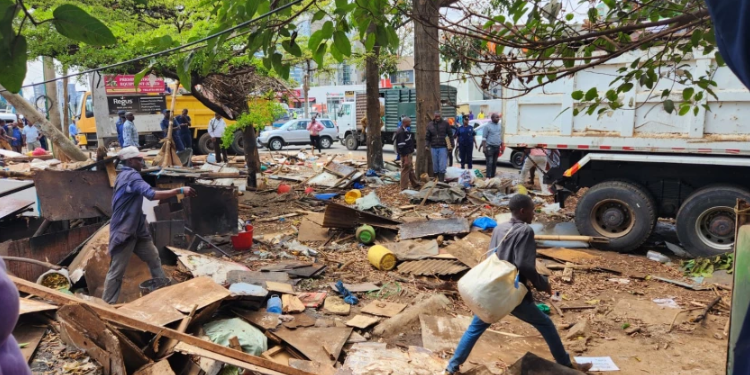
This action targets illegal developments encroaching on road reserves, part of broader efforts to enforce highway safety and expansion regulations.
In a notice dated January 13, KeNHA said the directive is aimed at facilitating capacity enhancement, landscaping and beautification works along the corridor.
“This is to notify all roadside developments owners/operators (billboards, direction and advertisement signs, nursery beds and temporary structures) within James Gichuru Road Junction to Jomo Kenyatta International Airport (A8/B10) Highway of the commencement of capacity enhancement landscaping and beautification works between this section,” read part of the notice.
Notice Details and Timeline
KeNHA has issued a strict 14-day eviction notice to all affected parties along the JKIA corridor, demanding immediate vacation and demolition of unauthorized kiosks, shops, billboards, and other structures.
This aligns with similar 30-day ultimatums the authority has rolled out nationally under the Kenya Roads Act of 2007, which empowers KeNHA to remove encroachments without further warning.
Failure to comply will trigger enforcement bulldozers, with owners liable for demolition costs.
The primary goal is to reclaim road reserves for safety, traffic efficiency, and future infrastructure upgrades on the vital JKIA Highway linking Nairobi’s Jomo Kenyatta International Airport to key urban areas.
Illegal structures contribute to congestion, accidents, and hinder maintenance, as seen in past highway projects like the Nairobi Expressway where similar clearances occurred.
This is highlighted as a routine crackdown to protect national trunk roads from unauthorized developments.
Impacts on Businesses and Communities
Hundreds of “mama mboga” stalls, small shops, and service operators risk total loss of livelihoods, echoing recent demolitions on other routes where families were left destitute.
In related cases, such as Mombasa Road warehouses, thousands faced job losses threatening over 20,000 workers.
Affected parties along JKIA express frustration over short notice periods and lack of alternatives, urging government sensitivity amid Kenya’s economic pressures.
KeNHA’s actions form part of ongoing national campaigns against roadside illegalities, including riparian zones and other highways like James Gichuru-JKIA and A8/B10 routes.
Past evictions for projects like the JKIA-Westlands Expressway displaced communities in areas like Mukuru, sparking protests and humanitarian concerns.
Critics argue for better relocation plans, while authorities prioritize public infrastructure funded by taxpayers. This development underscores tensions between urban growth and informal economies in Nairobi.