
Duale’s Bold Stand Against Foreign Doctor Influx
Health Cabinet Secretary Aden Duale announced a pivotal policy on January 7, 2026, prioritizing Kenyan-trained health professionals over routine licensing of foreign doctors.
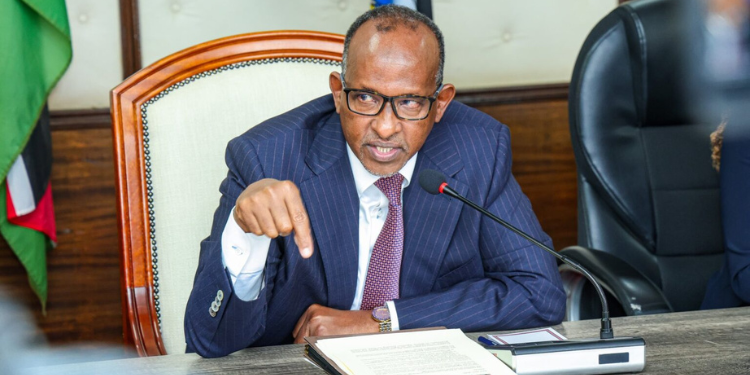
This move seeks to protect taxpayer investments in local training and bolster the national health workforce.
It addresses growing concerns about jobless Kenyan medics amid foreign competition.
In a statement issued on January 7, 2026, CS Duale said this was aimed at protecting public investment, strengthening the national health workforce, and safeguarding patient safety.
“The Ministry of Health wishes to clarify that Kenya will prioritise the licensing and deployment of qualified Kenyan health practitioners before considering the routine licensing of foreign doctors and other health professionals,” he stated.
Policy Core and Rationale
The Ministry of Health will favor licensing and deploying qualified locals before considering foreigners, ensuring public funds on medical education yield domestic jobs.
Duale emphasized fairness, stating Kenyans trained with taxpayer money deserve priority service opportunities.
Additionally, the statement noted that these investments are funded by taxpayers and must translate into employment opportunities for locally trained professionals.
“It is both prudent and just that Kenyans trained using public resources are given priority to serve our country,” it read.
This protects against displacement of doctors, nurses, and specialists despite substantial investments in their education.
Global Standards Alignment
Duale’s directive draws from ILO and WHO guidelines urging nations to prioritize homegrown health workers for sustainable systems.
No country builds resilient healthcare solely on foreign labor, the Ministry argues, citing practices in high-income nations that limit foreign entry.
Kenya’s approach remains balanced, allowing regulated exceptions without isolationism.
Additionally, it added that prioritising local professionals is a globally recognised approach to strengthening health systems and ensuring long-term service delivery.
“No country, world over, has developed a sustainable health system with a foreign health workforce.”
The statement further clarified that Kenya’s approach is neither isolationist nor unusual, noting that many countries, including high-income nations, apply similar policies while allowing limited and regulated entry of foreign practitioners in exceptional cases.
EAC Exemption and Exceptions
Health practitioners from East African Community states face no restrictions, honoring mutual recognition for regional mobility.
Non-EAC foreigners qualify only case-by-case for rare specialties with local gaps, mandating knowledge transfer over job replacement.
Decisions prioritize patient safety, vetting credentials to block unqualified registrants.
Kenya’s Health Workforce Challenges
Kenya grapples with thousands of unemployed local doctors while licensing over 1,300 foreigners, fueling ethical debates.
Shortages persist in neurosurgery, cardiology, and oncology despite rising medical graduates.
Duale’s policy pushes self-reliance amid Universal Health Coverage goals and recent health deals.
Medical unions applaud the shift, viewing it as overdue protection against cheap foreign labor.
Critics worry about specialist voids, but officials stress complementary foreign roles. Long-term, it could enhance retention, training, and service stability, reshaping Kenya’s healthcare landscape.
Public discourse now weighs nationalism against global expertise needs.