
NCCK Rejects Owuor’s Miracle Claims: Faith vs. Falsehood in Spotlight
The National Council of Churches of Kenya (NCCK) has firmly distanced itself from Prophet David Owuor’s recent miracle healing claims during his Nakuru crusade, stressing no preacher holds exclusive divine healing power.
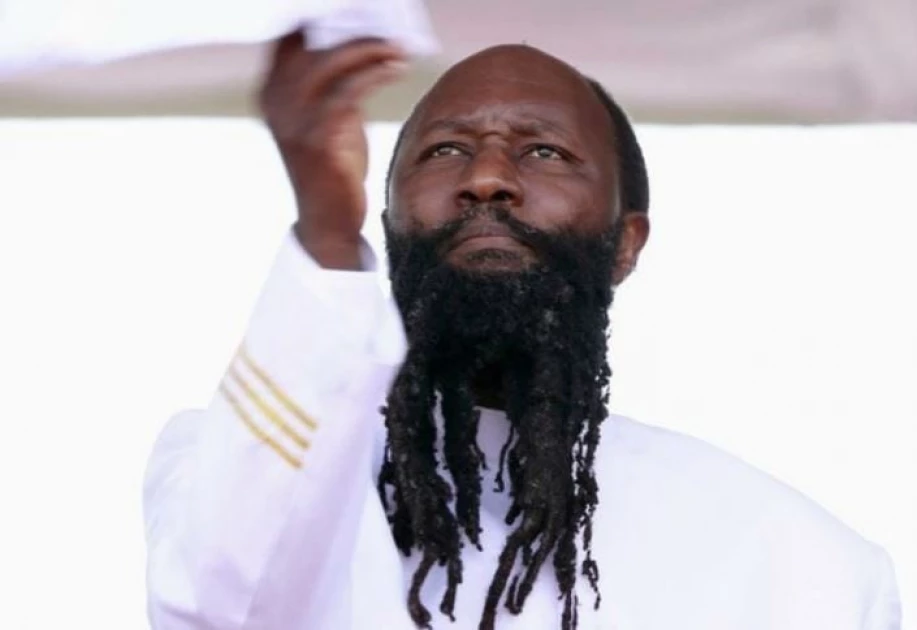
This underscores the backlash, with KMPDC probing doctors who endorsed HIV cures and other healings at the December 2025 Menengai Grounds event.
This rift highlights tensions between faith, medicine, and regulation in Kenya’s vibrant religious scene.
Owuor’s Nakuru Crusade and Bold Claims
Prophet Owuor drew thousands to Nakuru’s Menengai Grounds on December 30-31, 2025, for an end-of-year healing service where followers testified to cures for HIV, cancer, blindness, and disabilities.
Self-identified doctors from public hospitals paraded “healed” patients, presenting pre- and post-healing tests to validate the miracles attributed to Jesus’ power.
An aired footage of ecstatic crowds, amplifying claims that have sparked national debate.
Owuor defended the testimonies, inviting scrutiny and asserting scientific tests would find no virus traces, echoing past controversies from 2010 Rift Valley probes.
This noted the event’s Shia-like bravado reception, positioning Owuor as a polarizing figure known for dramatic prophecies and healings.
NCCK and Medical Authorities Push Back
NCCK chairperson Elias Otieno clarified the council’s stance: while divine healing exists, no individual replaces God or undermines medical treatment.
“We believe in faith healing, but it is God who heals not pastors. Nobody should be denied access to established medical treatments for their health. Those claiming otherwise are acting irresponsibly,” Rev. Otieno said.
In a January 5, 2026, on a statement, NCCK urged regulation of churches to curb unverified claims that mislead vulnerable followers.
This aligns with Health CS Aden Duale’s directive for verifiable evidence, warning against abandoning antiretrovirals.
KMPDC condemned medics’ involvement as unethical, launching investigations into potential license revocations for spreading misinformation.
“When the proposed bill is fully understood through consultation and public participation, it will create a common framework for regulating religious institutions. Misinterpretations that it will limit preaching are incorrect,” Rev. Otieno added.
Other outlets reinforced NCCK’s call for balanced faith that supports science.
“Some churches operate independently and are not under any regulatory umbrella. If one pastor practices one thing and another does something different, it creates disunity and weak oversight,” he explained.
Kenya’s history of faith healing scrutiny, from 2016 Kisii revivals to 2010 probes, reveals recurring clashes between spiritual fervor and public health.
Owuor’s Ministry of Repentance and Holiness faces renewed pressure, with government vows to protect chronic patients from unproven alternatives.
This coverage exposes risks of medical quackery disguised as miracles, urging congregants to prioritize verified care. Pastors must navigate divine claims responsibly, fostering accountability amid rising mega-crusades. As probes unfold, this saga tests Kenya’s balance of religious freedom and citizen safety.