
Urgent Parliamentary Push as MPs Recall for Ksh245B Safaricom Stake Deal Amid Controversy
Kenya’s parliamentarians are truncating their Christmas recess to expedite approval of a landmark Ksh245 billion sale of the government’s 15% stake in Safaricom to Vodafone Kenya Limited
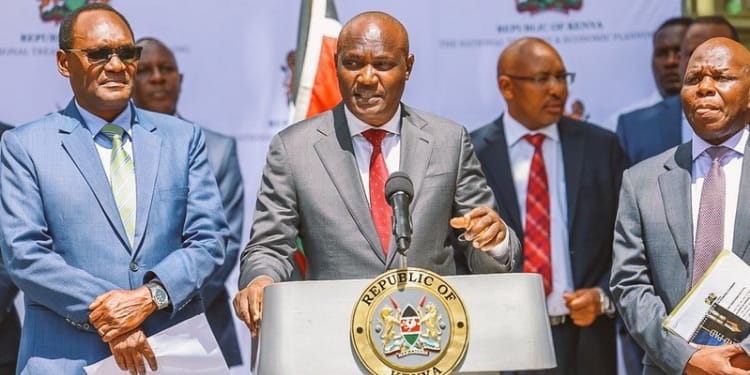
This coverage underscores the urgency, with MPs rushing to vet the transaction that promises infrastructure funding but sparks valuation debates.
This broad analysis explores the deal’s background, political dynamics, economic implications, and future outlook.
Deal Origins and Key Players
Announced in early December 2025, the transaction sees the government offload 6.01 billion shares at Ksh34 each a 21% premium over the Nairobi Securities Exchange closing price yielding Ksh244.5 billion (rounded to Ksh245B in reports).
“Without an independent validation, investors may interpret the transaction as opportunistic or fiscally pressured, potentially widening sovereign risk premia and reducing appetite for future asset sales.”
Treasury CS John Mbadi frames it as a “shareholder adjustment” rather than privatization, with proceeds earmarked for a National Infrastructure Fund and Sovereign Wealth Fund to avoid past pitfalls like Kenya Airways spending.
“The sale of a 15 per cent stake, which represents 6,009,814,200 ordinary shares at Sh34 per share, gives us a premium of 26.5 percent. The Kenyan government still holds a significant 20 per cent to influence decision-making,’’ the CS said.
Vodafone Kenya, part of South Africa’s Vodacom Group, acquires majority control at 55%, while the government retains 20% and public investors 25%, ensuring Kenyan interests hold 45%.
Safaricom’s confirmation via Company Secretary Linda Wambani highlights statutory compliance with Capital Markets Authority and NSE.
Parliamentary Rush and Recess Cut
MPs are cutting short their festive break, as reported by Nation Africa, to fast-track parliamentary nod amid tight timelines.
Under the normal parliamentary calendar, committee sittings were suspended from Monday, December 15, 2025, to Sunday, January 25, 2026, while the National Assembly recess runs from December 5, 2025, to February 9, 2026.
Regular sittings of the House were scheduled to resume on Tuesday, February 10, 2026, at 2.30 pm, subject to change under Standing Order 29.
This haste follows President Ruto’s State of the Nation pivot toward asset monetization for development, bypassing new taxes.
Committees will scrutinize governance, valuation (based on six-month weighted average), and strategic impacts.
The move aligns with fiscal pressures but raises procedural flags, given the holiday timing.
Political Firestorm and Criticisms
Opposition figures like Kiharu MP Ndindi Nyoro blast the sale as undervaluing Safaricom at below Ksh2.5 trillion, calling it “selling for a song” possibly driven by incompetence or self-interest.
He warns of pre-2027 election share dumps to entities like NSSF.
Wiper leader Kalonzo Musyoka and former Deputy President Rigathi Gachagua echo sentiments, labeling it “pawning family silver” in secrecy.
Defenders, including Mbadi, tout the premium price and Vodafone’s tech boost for competitiveness, preserving government influence.
Public discourse questions transparency and long-term telecom sovereignty.
Economic Impacts and Fund AllocationThe windfall targets energy, roads, water, and airports, breaking recurrent spending cycles per Treasury plans.
Analysts praise the premium (23.6% over six-month average) over public float, unlocking capital without dilution risks.
Vodafone commits no further takeover, maintaining Safaricom’s listing.
Broader effects include boosted NSE liquidity, innovation acceleration, and fiscal relief amid debt woes. Critics fear revenue loss from dividends (government’s stake drop).
Safaricom shares surged on announcement, reflecting investor confidence. Vodacom CEO Shameel Joosub signed alongside Mbadi, signaling partnership depth. Employee and consumer concerns center on service continuity, assured by unchanged management.
Civil society urges parliamentary oversight for equitable benefits. This notes ongoing CMA/NSE disclosures.
Approval could herald more state asset tweaks, prioritizing growth over retention. Government eyes economic expansion for sustainable funding, per Nyoro’s counterargument.
Risks include foreign dominance in telecom, though retained stakes mitigate.This pivotal deal embodies Kenya’s balancing act: monetizing jewels for infrastructure while safeguarding icons. Watch parliamentary sessions for outcomes economic transformation awaits.