
Horn of Africa Flashpoint: UN Warns Ethiopia and Eritrea on Border Pact Amid Rising Tensions
The United Nations has called on Ethiopia and Eritrea to honor the 25-year-old Algiers Agreement, stressing respect for territorial integrity amid escalating frictions in the volatile Horn of Africa region.
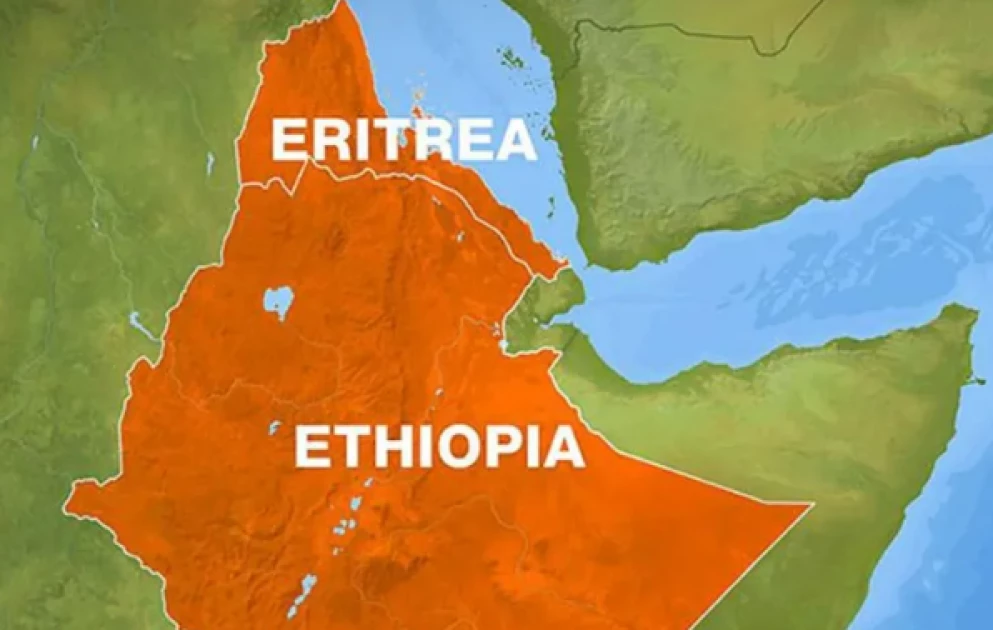
This highlights UN Secretary-General António Guterres’ statement marking the pact’s anniversary, urging both nations to revive its vision of lasting peace after the 1998-2000 war that claimed 70,000-80,000 lives.
Ethiopia’s most northerly region, bordering Eritrea, saw a devastating war between 2020 and 2022, which claimed up to 600,000 lives, according to some estimates.
But ties have soured again since the November 2022 deal, despite the two sides joining forces against the Tigrayans during the war.
Eritrea, whose forces were accused of widespread atrocities during the fighting, was not a party to the agreement between Addis Ababa and Asmara’s enemies, the Tigray People’s Liberation Front.
Recent developments, including Eritrea’s exit from IGAD and mutual accusations, fuel fears of renewed conflict.
Roots of the Algiers Agreement
Signed in December 2000, the agreement ended a brutal border war following Eritrea’s 1993 independence from Ethiopia, establishing a boundary commission based on colonial treaties.
Despite initial demarcation efforts, implementation stalled, with Ethiopia rejecting parts of the ruling and Eritrea demanding full adherence.
Reports note the pact’s mechanisms for sovereignty and peace, now strained by recent military posturing.
Eritrea withdrew from the East African IGAD bloc, labeling it biased, while Ethiopia faces internal strife post its Tigray peace deal, indirectly involving Eritrean forces.
UN concerns echo EU statements calling for dialogue over disputed areas like Badme, amid reports of troop buildups.
Broader regional instability, including Somalia-Ethiopia port deals, complicates dynamics.
Failure to uphold the pact risks derailing Horn of Africa progress, exacerbating refugee flows and humanitarian crises already burdening neighbors like Sudan and Kenya.
Guterres emphasized international support for demarcation to prevent escalation, with analysts warning of a proxy war redux.