
Mombasa Tax Standoff: South Sudan Accuses Ruto Government of Choking Juba Trade.
South Sudan’s government has strongly protested a new security levy imposed at the Port of Mombasa, accusing President William Ruto’s administration of unfairly targeting traders whose goods are destined for Juba.
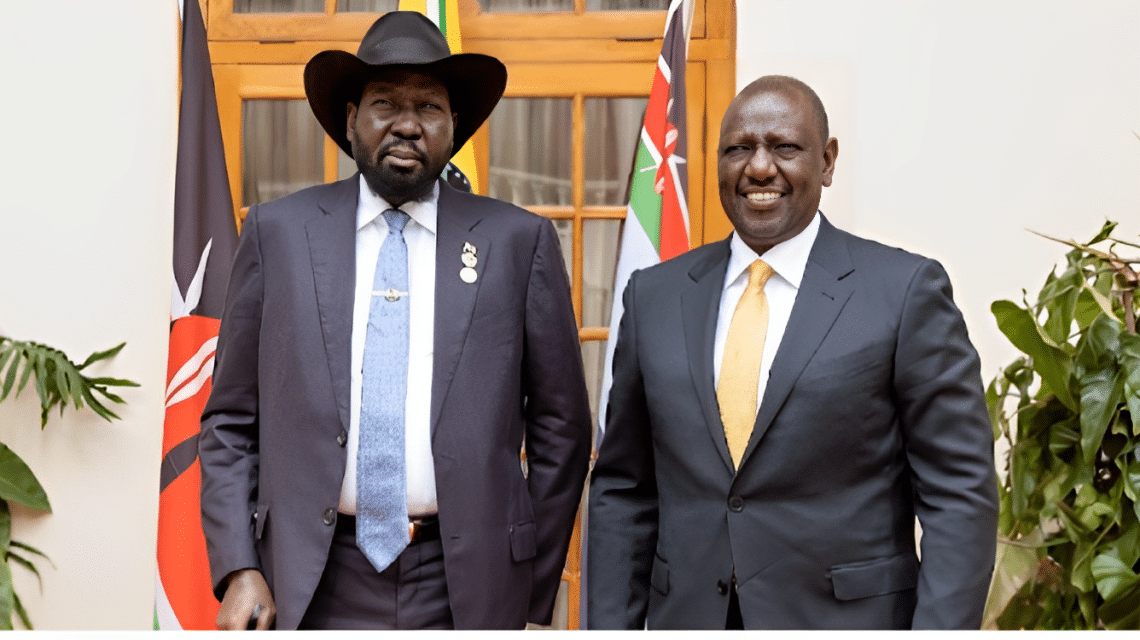
The dispute has escalated into a diplomatic and economic row, with officials in Juba warning that the tax risks disrupting supplies and undermining the spirit of regional integration in East Africa.
What triggered the disputes
Kenya has introduced a security levy of about KSh 647,500 (USD 5,000) on every container destined for South Sudan, which Juba says is far higher than charges applied to cargo headed to Kenya, Uganda or the DRC.
South Sudanese officials argue that this sudden increase has left hundreds of containers stranded at the Port of Mombasa, piling pressure on traders and slowing the movement of essential goods.
At a high‑level meeting in Juba chaired by Trade and Industry Minister Atong Kuol Manyang, government officials and private sector leaders described the levy as punitive and discriminatory.
“We will not allow our traders to be unfairly burdened by foreign-imposed charges. As the concerned ministry, we must call for urgent measures to ensure concrete solutions,” Atong said.
They warned that rising shipping, security and handling costs are in some cases overtaking the actual value of the goods, pushing importers to the brink of collapse.
South Sudan’s complaints against Nairobi
South Sudanese authorities are framing the levy as both a trade and diplomatic affront, saying it contradicts commitments to ease cross‑border commerce within the region.
Officials have also questioned why cargo bound for Juba attracts a much higher fee than that going to other neighbours, calling on Kenya to review the charges urgently.
Business leaders in Juba further object to Kenya’s decision to reroute South Sudan‑bound cargo through Nairobi instead of allowing it to move directly from Mombasa to South Sudan.
“As the chamber of commerce, we objected to the change because it raises expenses,” he said.
They say this change has added several hundred dollars to handling costs for each container, compounding the impact of the security levy and worsening delays.
“For goods heading to Kenya, the fee is USD 1,000. For Uganda and the DRC, it is USD 1,500. But for South Sudan, the fee is USD 5,000, and that is within Kenya,” he said, calling the disparity unfair.
Impact on traders and the economy
For traders, the new regime is already biting: increased fees, congestion and uncertainty are forcing some importers to consider abandoning cargo altogether.
With many containers stuck at Mombasa, there are growing fears of supply shortages and price spikes in South Sudan’s domestic market, especially for basic consumer and construction goods.
The South Sudan Chamber of Commerce has warned that the combination of high charges and logistics disruptions is eroding business confidence.
Small and medium‑sized traders, who operate on thin margins, are particularly vulnerable, as each additional cost layer eats directly into their profits and raises the risk of defaults.
This tax row lands at a sensitive moment for Kenya South Sudan relations, given Juba’s reliance on Mombasa as its main sea gateway.
South Sudanese officials have reminded Nairobi that their landlocked economy depends heavily on predictable and affordable access to Kenyan infrastructure to sustain imports.
If the dispute drags on, it could push South Sudanese traders to explore alternative routes through other regional ports or borders, even if those routes are longer or less efficient.
Analysts and business lobby groups are urging both governments to open direct talks, warning that unresolved tensions risk undermining wider efforts to build seamless trade corridors in the East African region.
Juba is pressing for the suspension or review of the security levy and for clearer, jointly agreed procedures on any future charges affecting transit cargo.
South Sudan’s trade ministry wants closer coordination among its own Ministries of Trade, Finance and Transport, as well as the Revenue Authority, to clean up overlapping taxes and unregulated clearing practices that are amplifying the crisis.
Private sector leaders are also calling for a return to direct Mombasa Juba routing to cut down on costs and delays, and for structured engagement with Kenyan authorities to avoid unilateral policy surprises.
For now, however, the standoff over the Mombasa port tax remains a flashpoint in the relationship between President Ruto’s government and its northern neighbour, with traders caught squarely in the middle.