
Trump’s 2025 Travel Ban Targets 19 Nations, Snags East African Neighbors
President Donald Trump enacted a broad travel ban on June 4, 2025, suspending most immigration and nonimmigrant visa applications from 19 countries, including Kenya’s neighbors Eritrea, Somalia, and Burundi, to counter terrorism risks, visa overstays, and poor vetting.
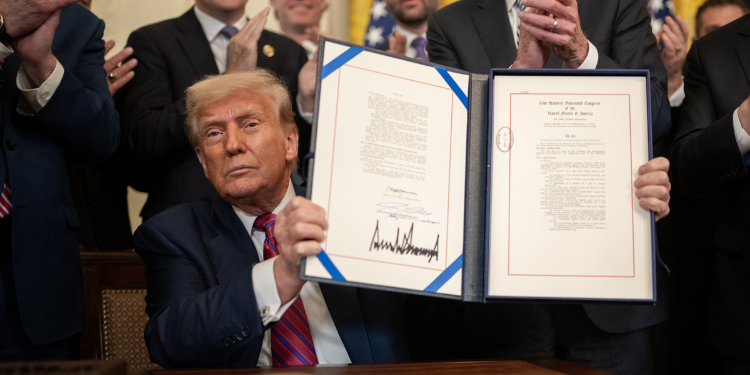
The policy fully bars entry for nationals of 12 nations Afghanistan, Burma (Myanmar), Chad, Republic of the Congo, Equatorial Guinea, Eritrea, Haiti, Iran, Libya, Somalia, Sudan, and Yemen while partially restricting seven others: Burundi, Cuba, Laos, Sierra Leone, Togo, Turkmenistan, and Venezuela.
This is a fallout for East Africa, as it will disrupt family reunions, student exchanges, and trade amid regional migration patterns .
Policy Details and Exemptions
In a statement dated December 2, 2025, USCIS ordered its personnel to halt the processing of all Form I-589 asylum applications nationwide, regardless of the applicant’s country of origin.
The agency also directed an immediate hold on all pending immigration benefit requests filed by individuals from countries listed in Presidential Proclamation 10949, which restricts the entry of certain foreign nationals deemed potential threats to U.S. national security or public safety.
“Effective immediately, this memorandum directs U.S. Citizenship and Immigration Services (USCIS) personnel to:
Place a hold on all Forms 1-589 (Application for Asylum and for Withholding of Removal), regardless of the alien’s country of nationality, pending a comprehensive review,” read the statement.
Effective June 9, 2025, the ban applies to those outside the U.S. without valid visas, sparing green card holders, dual nationals using non-banned passports, diplomats, and certain family or interest-based cases.
Justifications include deficient information sharing (10 countries), high overstay rates (15 countries), and refusal to repatriate deportees (8 countries) .
Up to 36 more nations, predominantly African, face potential inclusion if benchmarks fail.
East African and Kenyan Ripples
The memorandum outlining the new policy cites last week’s attack on U.S. National Guard members in Washington, where an Afghan national was arrested as a suspect. One Guard member was killed, and another remains in critical condition.
It also comes amid recent remarks by President Trump directed at Somali nationals, whose country appears on the list of 19 affected nations. He expressed strong concerns about admitting individuals from Somalia and suggested they may pose risks to the United States.
President Trump has been on an offensive campaign to effectively block a large segment of immigrants from entering the U.S., specifically by promising a “permanent pause” on migration from “all Third World Countries”.
Eritrea and Somalia’s full bans, alongside Burundi’s partial curbs, heighten barriers for Kenyan-linked cross-border communities, refugees, and laborers eyeing U.S. prospects.
Economic strains on remittances and diaspora networks, with calls for Nairobi’s diplomatic pushback.
Broader implications tie into Trump’s post-inauguration security pivot, echoing first-term measures but expanded.