
Museveni’s Controversial Claim to Indian Ocean Ownership Fuels East African Diplomatic Debate
President Yoweri Museveni of Uganda recently sparked legal and diplomatic debate with his claim that landlocked Uganda is entitled to ownership of the Indian Ocean.
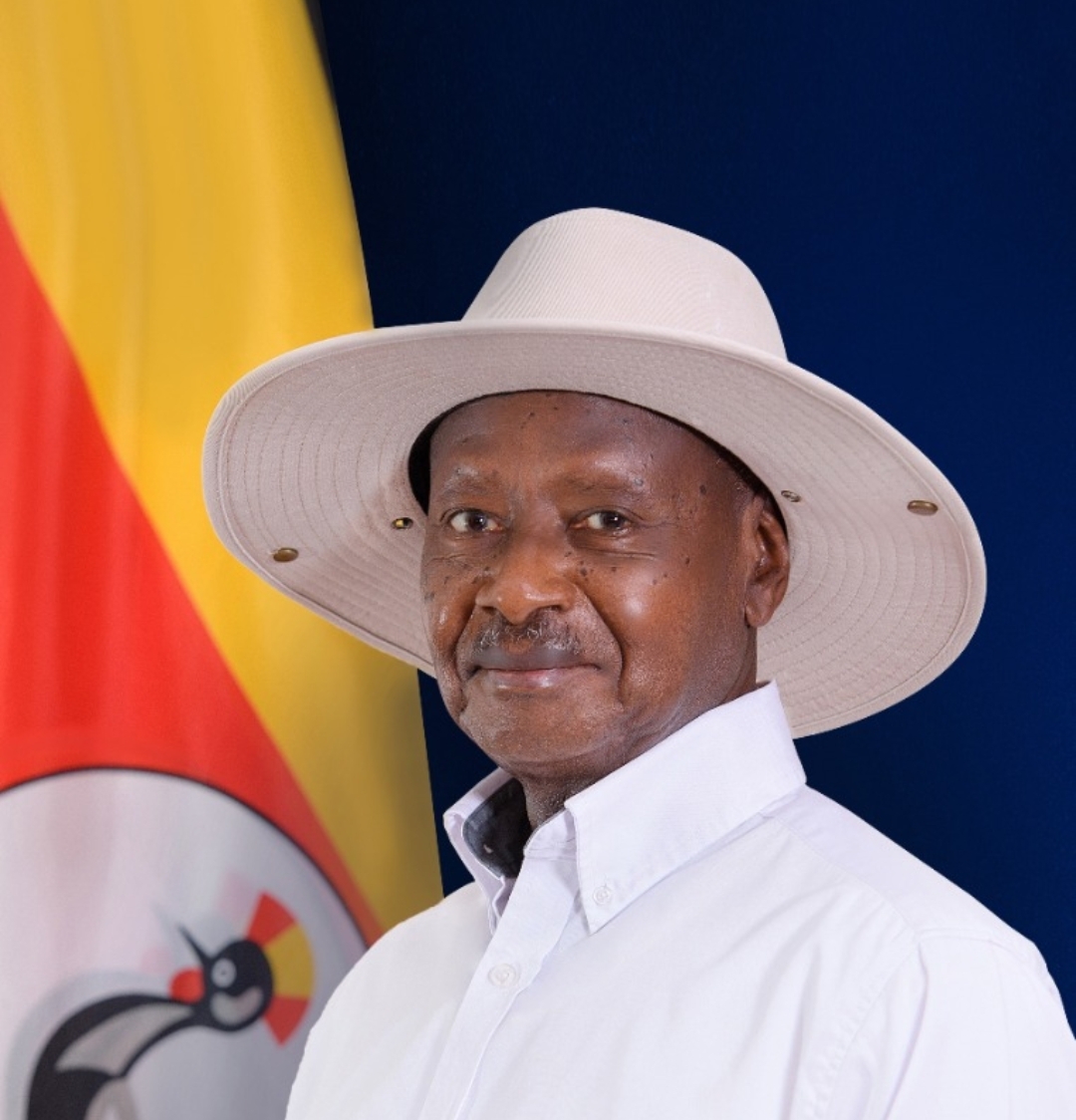
Speaking at Mbale State Lodge, Museveni argued it is unfair for coastal nations alone to have exclusive rights over the sea, likening landlocked countries to tenants on upper floors of a building entitled to use the common compound the ocean being his ocean too.
Museveni, for his part, doubled down on the metaphor behind his earlier comments, likening East African nations to residents of a shared apartment block.
“How can you say that because you live on the ground floor, the compound belongs only to you? The compound belongs to the whole block.” He said.
He warned that failure to acknowledge this could lead to future conflicts, highlighting both economic and strategic defence reasons for his stance.
Museveni: “I am entitled to that ocean… it belongs to me. In the future, we are going to have wars.”
Reaction in Kenya was swift. While social-media users responded with humour, government officials treated the statement more cautiously dismissing talk of war but reaffirming Kenya’s obligations as a regional transit hub.
“Kenya is a responsible member of the international community, and it is in our interest to facilitate any landlocked country that wishes to use the port of Mombasa.” Mudavadi said.
However, international law, mainly the 1982 United Nations Convention on the Law of the Sea (UNCLOS), to which both Kenya and Uganda are signatories, does not grant territorial sovereignty over the ocean to landlocked states.
Instead, UNCLOS supports landlocked countries’ rights to access the sea via transit states under agreed bilateral or regional terms, without transferring territorial control.
Existing regional treaties like the Northern Corridor Transit and Transport Agreement (NCTTA) already facilitate Uganda’s trade access through Kenya’s Port of Mombasa.
The remarks triggered widespread confusion, diplomatic discomfort, and a surge of online satire, particularly in Kenya, where users mocked Uganda’s lack of a coastline and naval force.
Yet during a visit to Tororo, Uganda, President Ruto publicly downplayed the controversy. Standing alongside Museveni, he said journalists had exaggerated the remarks and insisted that Uganda’s access to the sea through Kenya remains secure.
“People in the journalism space tried to create an impression that Uganda had said something to the effect that they need to access the sea by any means. I want to assure the naysayers that Uganda and Kenya are brotherly countries. Uganda is assured of access to the sea through Kenya.” President Ruto said.
Kenya’s government has downplayed Museveni’s remarks, suggesting the comments were metaphorical rather than literal threats and reaffirming the strong legal frameworks and cooperative relations in place.
The debate underscores the complexities of sovereignty, international law, and regional cooperation in East Africa’s economic interdependence, particularly around vital access to maritime trade routes.