
MOGADISHU RISES : BUILDING BOOM IGNITES HOPE
Mogadishu, Somalia’s capital, is undergoing a remarkable building boom, rising from decades of war and destruction to witness rapid urban transformation.
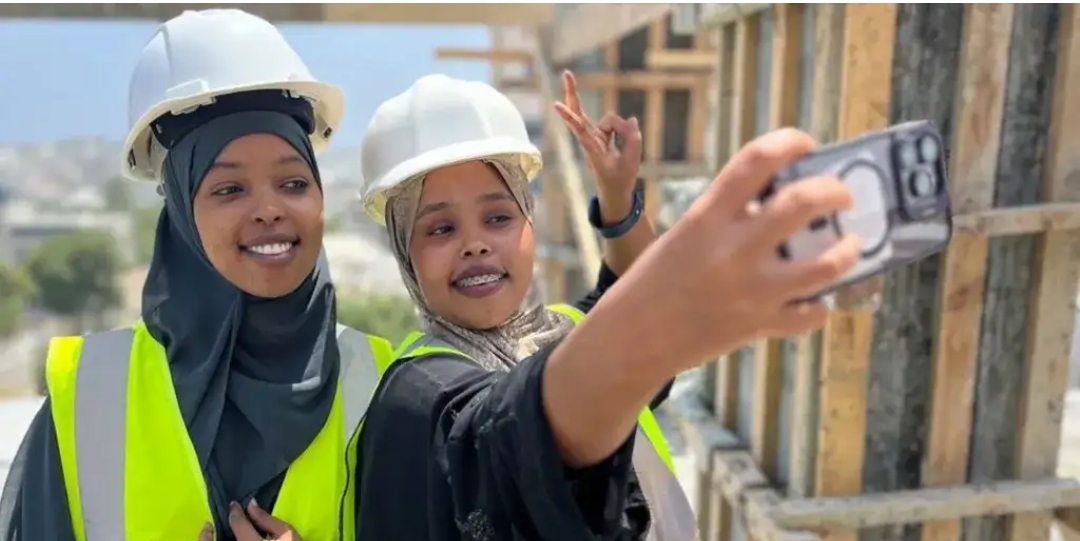
More than 6,000 new buildings have been constructed in the past five years, driven by improved security, investments from the Somali diaspora, and local entrepreneurs.
The city’s skyline is changing with the rise of multi-storey commercial and residential complexes, signaling a new era of reconstruction and economic activity.
The government credits enhanced security measures, including a robust system of checkpoints, for enabling this development surge.
However, the rise in construction is largely unregulated, raising concerns about building safety and urban planning.
Authorities are working toward formal regulations and quality control, aiming to manage the fast-paced growth sustainably.
Al-Shabaab has retaken some 200 villages in a surge around the capital this year, and Western donors are growing tired of funding the war, limiting a key source of revenue.
The Somali diaspora, however, is still providing vital cash flow.
The influx of capital from the diaspora, which contributes significantly to Somalia’s GDP through remittances, has been central to funding construction, businesses, and infrastructure upgrades.
“The diaspora brings capital and know-how, while local businesses are scaling with bank financing,” said Mohamed Gheedi, CEO of Premier Bank, the first to introduce MasterCard to Somalia.
Investment has channelled into real estate, fintech, trade and infrastructure in “a fast-growing, underserved market”, he said.
Yet, challenges remain, including threats from Islamist militants near the city and social issues such as gentrification and displacement affecting poorer residents.
As in many growing cities, gentrification and inequality are a growing problem for the poor, however.
Wealthy officials and foreigners may enjoy increased security and living standards, but “that is completely different from the day-to-day experience of people in other parts of the city”, said Mahad Wasuge, from think tank Somali Public Agenda.
Tensions are high enough to erupt into armed confrontations: in August several people were killed in southern Mogadishu after security forces clashed with residents who were being forcibly evicted.
People are being moved away “from the schools, from the hospitals, from just basic, basic government services”, said Wasuge.
“The government is trying to project that Mogadishu is rising,” he said, but “who is paying the price?”
Despite these obstacles, the building boom in Mogadishu reflects a cautious optimism among residents and stakeholders for a future where the city emerges as a symbol of resilience and post-conflict recovery in the region.