
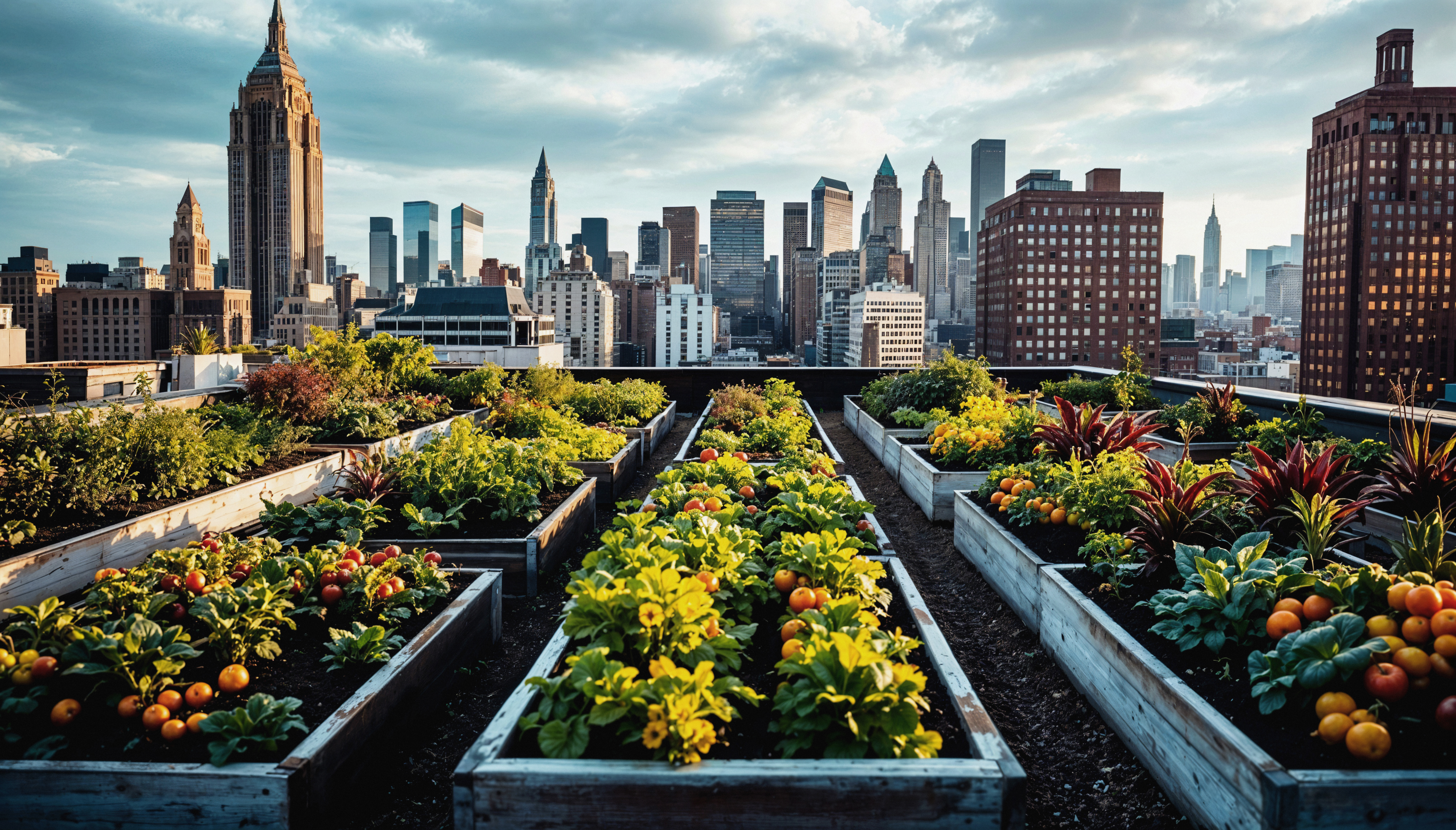
Urban gardening is no longer limited to people with large backyards or suburban homes. Across cities worldwide, individuals are turning balconies, rooftops, windowsills, and even kitchen counters into thriving mini gardens. What started as a hobby for some has evolved into a growing movement that is reshaping how people interact with nature in urban environments.
The Need for Green in a Gray World
Modern cities offer convenience, opportunity, and connectivity. However, they can also feel overwhelming. Endless traffic, crowded streets, and towering buildings often leave little room for nature.
Many city residents spend most of their days indoors, moving between offices, apartments, and public transportation. Over time, this disconnect from natural environments can contribute to stress, fatigue, and a sense of burnout.
This is where urban gardens come in.
Even a small collection of plants can create a calming environment. Watching seeds sprout, leaves unfold, and flowers bloom provides a sense of progress that feels surprisingly rewarding. Unlike the fast-paced digital world, plants grow at their own pace, teaching patience and mindfulness along the way.
Small Spaces, Big Possibilities
One of the biggest misconceptions about gardening is that it requires a lot of space. In reality, modern gardening techniques have made it possible to grow a wide variety of plants almost anywhere.
Vertical gardens allow people to grow upward instead of outward. Hanging baskets maximize unused space. Container gardening makes it easy to cultivate vegetables and herbs on balconies or patios. Some individuals even use hydroponic systems that require little soil and fit comfortably inside apartments.
What makes this trend particularly exciting is its accessibility. You don’t need expensive equipment or professional expertise to get started. A few pots, quality soil, sunlight, and basic care are often enough to begin your gardening journey.
Many first-time gardeners start with herbs such as basil, mint, rosemary, or parsley. These plants are relatively easy to maintain and provide fresh ingredients for everyday meals.
The Joy of Growing Your Own Food
There is something uniquely satisfying about harvesting food you’ve grown yourself.
Whether it’s a handful of lettuce leaves for a salad or a ripe tomato picked straight from the vine, homegrown produce often feels more rewarding than anything purchased from a grocery store.
Beyond the satisfaction, growing food helps people better understand where their meals come from. In a world where food often appears neatly packaged on supermarket shelves, gardening reconnects individuals with the natural processes behind food production.
Many urban gardeners also report eating healthier because fresh vegetables and herbs are readily available. Instead of buying ingredients they may forget to use, they simply step outside and harvest what they need.
Gardening as a Mental Health Booster
The mental health benefits of gardening are perhaps one of its most powerful advantages.
Life in the city can be stressful. Work deadlines, financial pressures, and constant connectivity can leave people feeling exhausted. Gardening offers a simple yet effective way to slow down.
The act of watering plants, trimming leaves, or checking for new growth creates moments of calm and focus. These activities encourage people to be present rather than constantly thinking about the future or replaying the past.
Many gardeners describe their plants as a source of comfort. Caring for something living creates a sense of responsibility and purpose that can positively impact emotional well-being.
Building Communities Through Gardening
Urban gardens do more than benefit individuals—they also bring communities together.
Neighborhood gardening groups are becoming increasingly common. People exchange seeds, share gardening advice, and celebrate each other’s successes. Community gardens provide spaces where strangers become friends through a shared love of growing things.
In many cities, these gardens have transformed unused lots into vibrant gathering places. Children learn where food comes from, older residents share decades of gardening knowledge, and neighbors connect in meaningful ways.
In a time when many interactions happen online, these real-world connections are incredibly valuable.
A Greener Future Starts Small
Climate change and environmental sustainability have become major concerns around the world. While a single balcony garden may seem insignificant, collective efforts can make a meaningful difference.
Plants help improve air quality, support pollinators such as bees and butterflies, and contribute to cooler urban environments. Thousands of small gardens spread across a city can create a noticeable environmental impact.
Perhaps most importantly, urban gardening encourages people to think more consciously about sustainability and their relationship with nature.
Tiny urban gardens prove that you don’t need acres of land to make a difference. A few plants, a small space, and a little dedication can transform not only your surroundings but also your daily life.
As cities continue to grow, these miniature green spaces remind us that nature doesn’t have to exist somewhere far away. Sometimes, it can thrive right outside your window.