Leftovers are useful only when you can trust them. They save money, make busy days easier, and reduce food waste, but they also create small decisions that are easy to postpone: when was this cooked, did it cool fast enough, has it been reheated already, and is it still worth keeping?
The safest system is not complicated. It is a short routine: cool food promptly, use shallow containers, label the date, keep the refrigerator cold, reheat thoroughly, and throw food away when the timing or handling is uncertain. That routine matters more than buying special containers or trying to remember every storage chart.
Quick Answer
Store leftovers safely by refrigerating or freezing perishable cooked food within two hours, using shallow covered containers, keeping the refrigerator at 40 degrees Fahrenheit or 4 degrees Celsius or below, and eating refrigerated leftovers within about three to four days. Reheat leftovers until steaming hot throughout, ideally to 165 degrees Fahrenheit or 74 degrees Celsius, and freeze anything you will not eat soon.
Start The Clock When Food Leaves The Heat
The most important leftover rule is time. Food safety agencies commonly advise that perishable cooked food should not sit at room temperature for more than two hours. In hot conditions, such as a picnic, outdoor meal, warm car, or kitchen above 90 degrees Fahrenheit or 32 degrees Celsius, that window is shorter.
This does not mean you need to panic the second dinner ends. It means leftovers should be part of cleanup, not a task for later in the evening. Put food away before washing every pan, answering messages, or settling in for a movie.
Foods that deserve prompt chilling include cooked meat and poultry, seafood, eggs, cooked rice, pasta, beans, lentils, casseroles, soups, stews, cut fruit, cooked vegetables, dairy-based dishes, and anything with a sauce or filling that would spoil easily. Bread, whole fruit, dry crackers, and unopened shelf-stable foods follow different rules, but once a meal is mixed, cooked, sauced, or cut, treat it more carefully.
Use Shallow Containers So Food Cools Faster
A deep pot of soup or stew cools slowly in the refrigerator. The outside may become cold while the center stays warm for too long. That is why leftovers should be divided into smaller portions before storage.
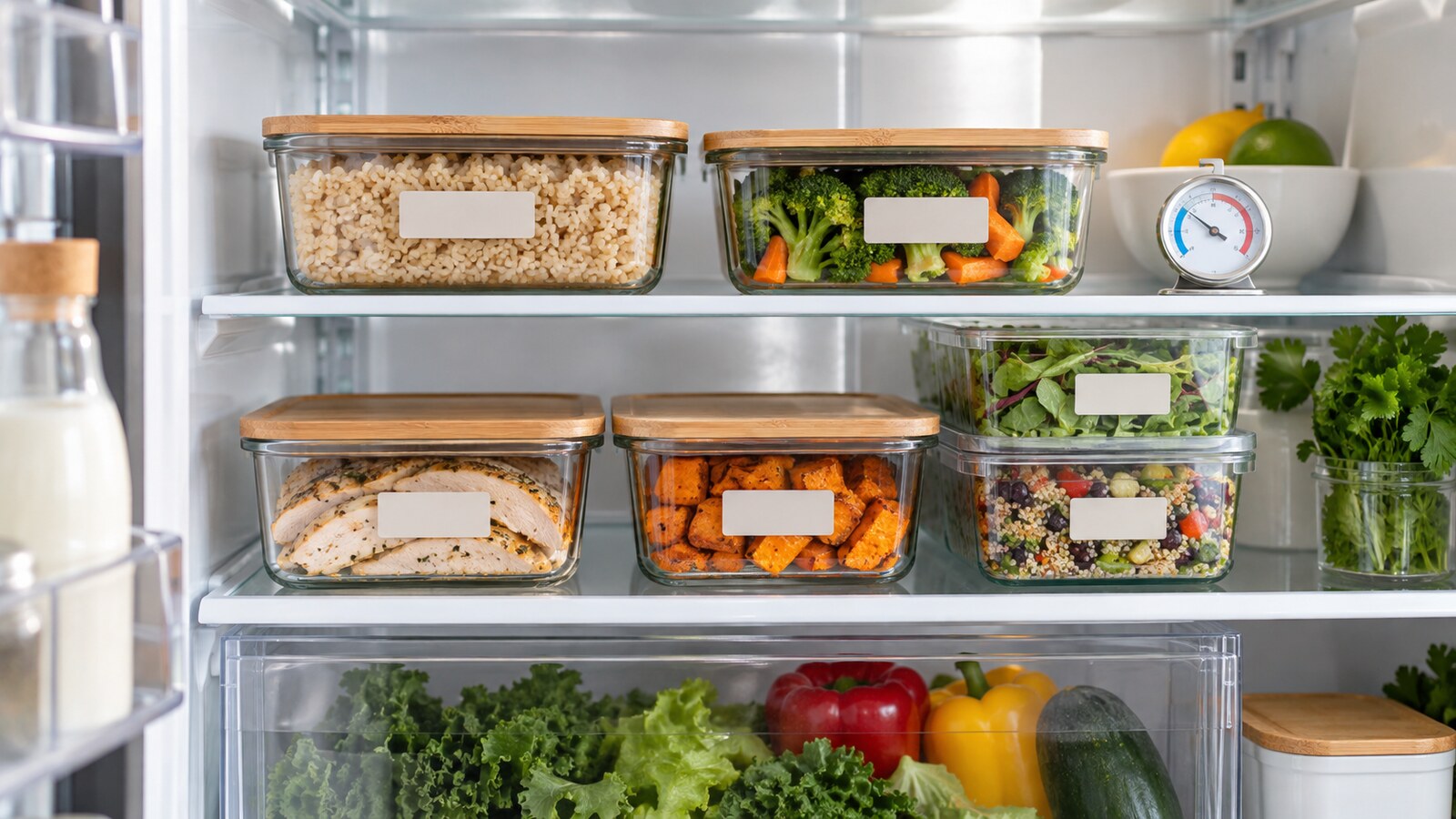
Use shallow containers when possible. For soups, stews, beans, sauces, and cooked grains, several smaller containers are safer and more useful than one heavy tub. They cool faster, stack more easily, and let you reheat only what you plan to eat.
You do not have to wait for food to become fully cold before refrigerating it. Very hot food can be allowed to stop steaming heavily for a short time, then portioned and chilled promptly. If the container is large, leave a little space around it in the refrigerator so cold air can circulate.
Label The Date Before The Lid Goes On
Most leftover problems begin with memory. A container that feels obvious tonight becomes a mystery by the weekend.
Label each container with the food and the date it was cooked or refrigerated. The label can be masking tape, a reusable container label, a marker on a freezer bag, or a note in a meal-planning app. The format does not matter. The goal is to remove doubt.
If your household cooks often, add a simple “eat first” area in the refrigerator. Put the oldest safe leftovers there, at eye level if possible. Newer containers can go behind them. This is the same principle as rotating pantry food: first in, first out.
If you already plan meals around leftovers, connect this habit with broader kitchen planning. A weekly system like the one in GDU’s guide to food and cooking hacks that save time and money works better when the refrigerator makes the next meal obvious.
Know The Three-To-Four-Day Fridge Rule
For many cooked leftovers, the practical refrigerator window is about three to four days. Refrigeration slows bacterial growth, but it does not stop it completely. The exact risk depends on the food, how it was cooked, how quickly it cooled, refrigerator temperature, cleanliness, and how often the container was opened.
Use the shorter end of the range for foods that are moist, protein-rich, dairy-based, heavily handled, or served buffet-style. Be especially careful with seafood, gravy, sauces, cooked rice, pasta, casseroles, stuffing, and mixed dishes that combine many ingredients.
The rule is not “if it smells fine, it is fine.” Some harmful bacteria or toxins may not create an obvious smell, color change, or texture change. Sensory checks help you reject clearly spoiled food, but they cannot guarantee safety.
When in doubt, throw it out. That phrase can sound wasteful, but eating questionable food is not a useful way to save money. The better anti-waste move is to label early, freeze early, and cook realistic portions next time.
Keep The Refrigerator And Freezer Cold Enough
Leftovers are only as safe as the cold storage around them. A refrigerator should stay at 40 degrees Fahrenheit or 4 degrees Celsius or below. A freezer should be at 0 degrees Fahrenheit or minus 18 degrees Celsius or below.
Built-in refrigerator dials are not always exact, so an inexpensive appliance thermometer can be useful. Place it where you can see it and check it occasionally, especially after power cuts, repairs, heavy shopping days, or when the refrigerator feels crowded.
Avoid overpacking shelves so tightly that cold air cannot move. Keep doors closed as much as possible. Store leftovers on shelves rather than in the refrigerator door, where temperatures change more often. If raw meat, poultry, or seafood is also in the refrigerator, keep it sealed and below ready-to-eat foods so juices cannot drip onto containers.
Freeze What You Will Not Eat Soon
If you know you will not eat leftovers within a few days, freeze them while they are still fresh. Freezing does not make old food new, but it can pause quality loss and help you avoid the end-of-week guessing game.
Freeze in meal-sized portions. Flat freezer bags, shallow containers, or small jars with headspace can make thawing easier. Label the contents and date clearly. For best quality, many cooked leftovers are better within a few months, even though food kept continuously frozen at the right temperature remains safe for longer.
Some foods freeze better than others. Soups, stews, beans, cooked grains, sauces, cooked meat, and many casseroles usually do well. Crisp vegetables, cream-heavy sauces, fried foods, and delicate salads may lose texture. That is a quality issue rather than always a safety issue, but it affects whether you will actually eat the food later.
Reheat Only The Portion You Need
Reheating should make leftovers hot all the way through. A food thermometer is the most reliable check, especially for dense casseroles, rice dishes, meat, poultry, sauces, and soups. A common food safety target for reheated leftovers is 165 degrees Fahrenheit or 74 degrees Celsius.
Microwaves can heat unevenly, so stir food, rotate the container, cover it loosely to hold steam, and let it stand briefly before checking the temperature. Soups, stews, gravies, and sauces should be brought to a full, even heat. On the stovetop, stir from the bottom so cold pockets do not remain.
Reheat the amount you plan to eat rather than warming and cooling the same large container repeatedly. Each cycle adds time in the warm range where bacteria can multiply. If a large batch will serve several meals, divide it before storage or before reheating.
Cooked rice and pasta deserve particular care because they are often cooked in bulk and left out casually. Cool them quickly, refrigerate promptly, reheat thoroughly, and avoid repeated reheating.
Make A Simple Leftover Triage Habit
Once or twice a week, do a five-minute refrigerator check. You are looking for three groups:
- Eat today: labeled leftovers still within the safe window.
- Freeze today: food you will not eat soon but that was stored properly and is still fresh.
- Discard today: unlabeled containers, old leftovers, food that sat out too long, or anything with spoilage signs.
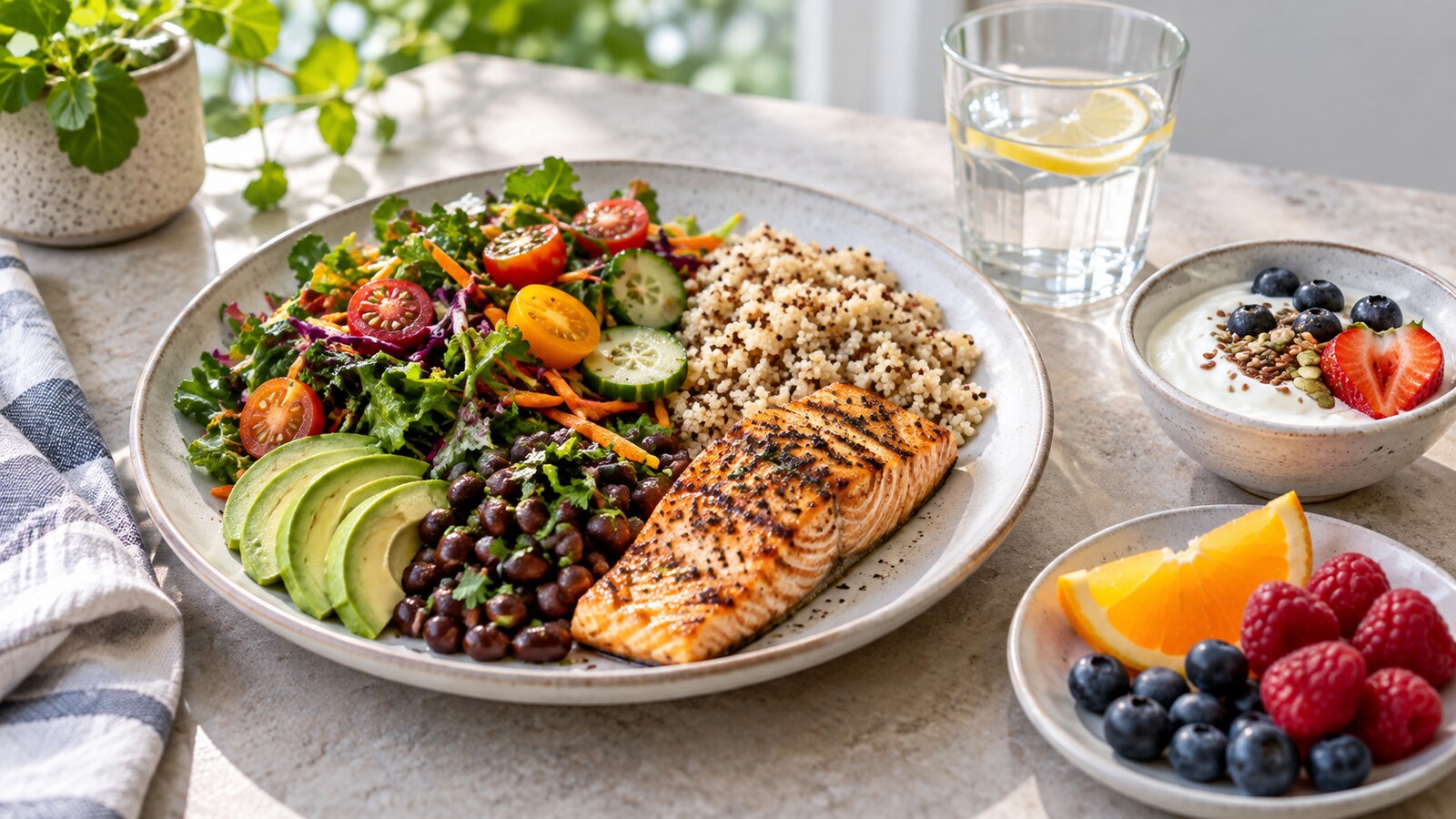
This habit pairs well with flexible meals. Leftover vegetables can become omelets, fried rice, soups, wraps, or grain bowls. Cooked beans can become a quick lunch. Roasted chicken can become sandwiches or soup. If you are building a simple meal, GDU’s guide to a balanced plate without counting calories can help turn leftovers into a complete lunch or dinner.
Do not keep tasting from the same spoon, returning half-eaten portions to the main container, or leaving serving utensils in food for long periods. Clean handling protects the next meal.
When To Throw Leftovers Away
Discard leftovers if they were left at room temperature too long, were stored in a refrigerator that was not cold enough, have no date and cannot be confidently identified, have visible mold, smell sour or unusual, feel slimy, leak unexpectedly, or have a swollen lid or package.
Also discard food connected to a recall if official instructions say to throw it away. GDU’s guide on how to check a product recall before you use it explains how recall notices can identify affected foods by brand, production date, lot code, or establishment number.
For power outages, be cautious. A closed refrigerator can keep food cold for a limited time, but the real question is whether perishable food stayed at a safe temperature. If you do not know how warm it became or how long it was warm, discard high-risk leftovers.
A Leftover System You Can Repeat
The easiest safe system is:
- Put leftovers away within two hours.
- Divide food into shallow containers.
- Label the food and date.
- Keep the refrigerator at 40 degrees Fahrenheit or 4 degrees Celsius or below.
- Eat refrigerated leftovers within three to four days or freeze them early.
- Reheat only the portion you need until hot throughout.
- Throw away food when timing, temperature, or handling is uncertain.
Leftovers should make life easier, not turn the refrigerator into a memory test. A small routine after cooking gives you safer meals, less waste, and fewer doubtful containers waiting at the back of the shelf.