Cooking for one can leave you choosing between an oversized recipe and a fridge full of half-used ingredients. Simple meals for one work better when you plan several different uses for a small set of foods, then cook the amount you want to eat.
You do not need seven unrelated recipes or seven identical containers. Start with three dinners, give the most perishable ingredients a clear destination, and keep one easy backup for a night when plans change.
Build a Short Menu Around Your Actual Week
Before deciding what to cook, count the evenings you expect to eat at home. Include a late finish, a meal out or a day when you will have little energy. A menu that requires cooking every evening can create more unfinished food than it solves.
Choose three dinner ideas you already know how to make. Each should suit your equipment and your appetite. A single burner, a microwave or a small saucepan can shape the choices just as much as a recipe does.
Give each dinner a different format: perhaps a warm bowl, a filled flatbread and a quick pan meal. That difference makes a familiar ingredient feel less repetitive. You can repeat the vegetable or protein without repeating the whole dinner.
Keep a backup separate from the fresh-food plan. Pasta with a pantry sauce, frozen vegetables with an egg, or beans on toast can cover a disrupted evening without requiring a special shopping trip. Adapt these examples to your diet and what is available locally.
Give Each Fresh Ingredient Two Different Jobs
Write down the ingredients that come in quantities larger than one meal needs. Beside each, name a second use before buying it. If that second meal sounds unappealing, choose a smaller package or a different ingredient.
The useful question is specific: where will the rest of this go? “Use vegetables later” leaves the decision unresolved. “Put the remaining pepper in tomorrow’s pan meal” gives it a destination.
Try pairing ingredients by role:
- A pepper can provide crunch in a flatbread and soften into a tomato sauce.
- Plain yoghurt can become a lemon dressing, then a cool topping for a spicy meal.
- Chickpeas can fill a warm bowl and later be mashed into a flatbread filling.
- Cabbage can be shredded for a fresh side and cooked in a small skillet meal.
These are menu ideas, not storage guarantees. Check the food’s condition, package instructions and safe storage requirements. Choosing two uses does not mean an opened food can wait indefinitely for its second appearance.
Keep the list small enough that the combinations remain obvious. Our guide to grocery list planning can help turn the chosen meals into the quantities you actually need.
Try a Three-Dinner Ingredient Map
Here is an illustrative plan built around chickpeas, a pepper, a carrot, lemon and plain yoghurt, with bread and seasonings from the pantry. Adjust amounts to your appetite and dietary needs. The aim is to show different roles for the ingredients, rather than prescribe a complete diet.
- Make a warm chickpea bowl. Cook part of the pepper and carrot until they suit your preferred texture. Add chickpeas, season with cumin or another familiar spice, and serve with bread. Finish with lemon and a little yoghurt.
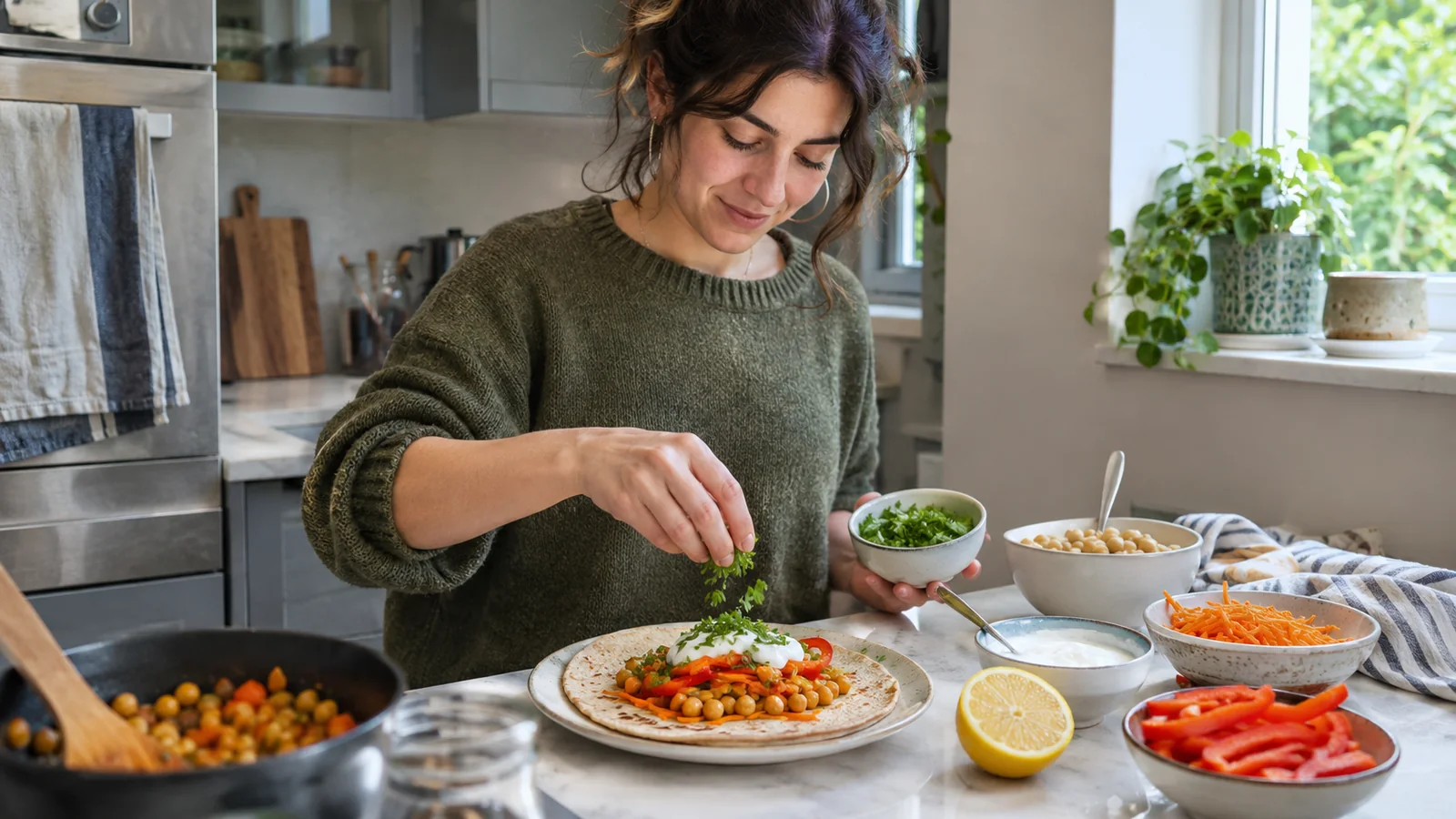
- Assemble a crunchy filled flatbread. Mash another portion of chickpeas with lemon and your chosen seasoning. Add thinly sliced raw pepper or grated carrot, then a spoonful of yoghurt. Prepare only the filling you intend to eat.
- Cook a small tomato pan meal. Combine the remaining planned vegetables and chickpeas with canned tomatoes. Change the seasoning to herbs or chilli, and serve with toast or another available accompaniment. Decide what happens to unused tomatoes when opening the can.
Use these meals over a short period compatible with the ingredients’ storage guidance, rather than stretching opened foods across the entire week. Freeze suitable surplus early if the next meal is uncertain.
Notice what changes: temperature, texture, seasoning and presentation. The shopping overlaps, but dinner does not arrive in the same form three times. You can apply the same pattern to other foods you enjoy; a bowl, a wrap and a soup are another possible combination.
Cook Smaller Amounts Without Rebuilding Every Recipe
When using a larger recipe, first check its stated servings. Divide the ingredients by that number to estimate one serving, then consider whether making two portions would be easier with your equipment. Decide on the second portion’s destination before cooking.
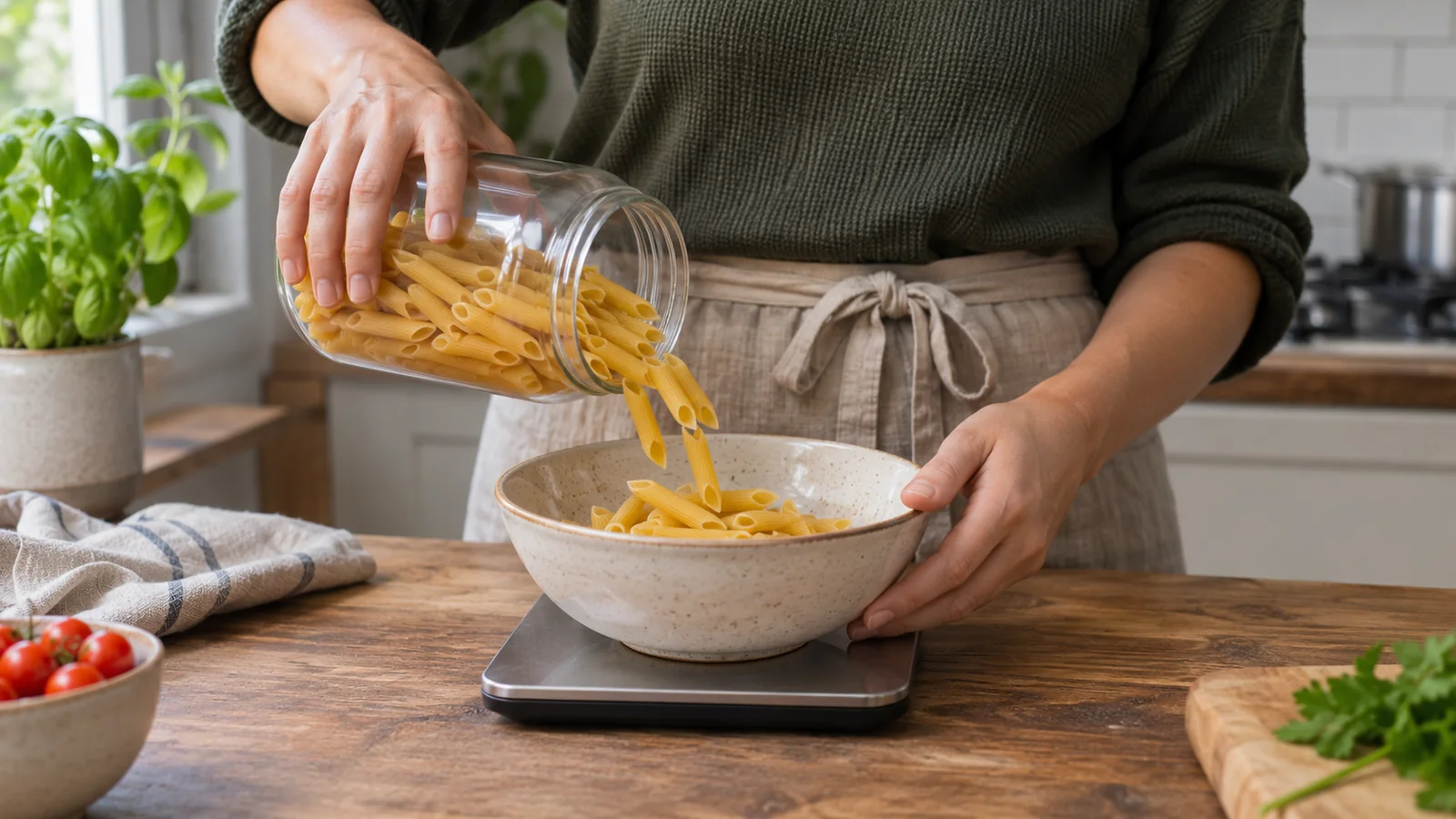
Measure unfamiliar dry foods rather than relying on a large pan as a portion guide. For pasta, use the approach in our pasta portions per person guide, then adjust future servings based on what you actually eat.
Scaling quantities does not mean dividing the cooking time by the same number. Pan size, depth and the food itself affect cooking. Check doneness appropriately, and use a food thermometer when required for safety. Start conservatively with strong seasonings and add more to taste.
Some recipes resist convenient division. Half an egg or a tiny baking mixture may create more work than a second portion. For an ordinary dinner, choosing a simpler dish can be more practical than forcing a family recipe into a one-person format.
Make Storage Part of the Meal Decision
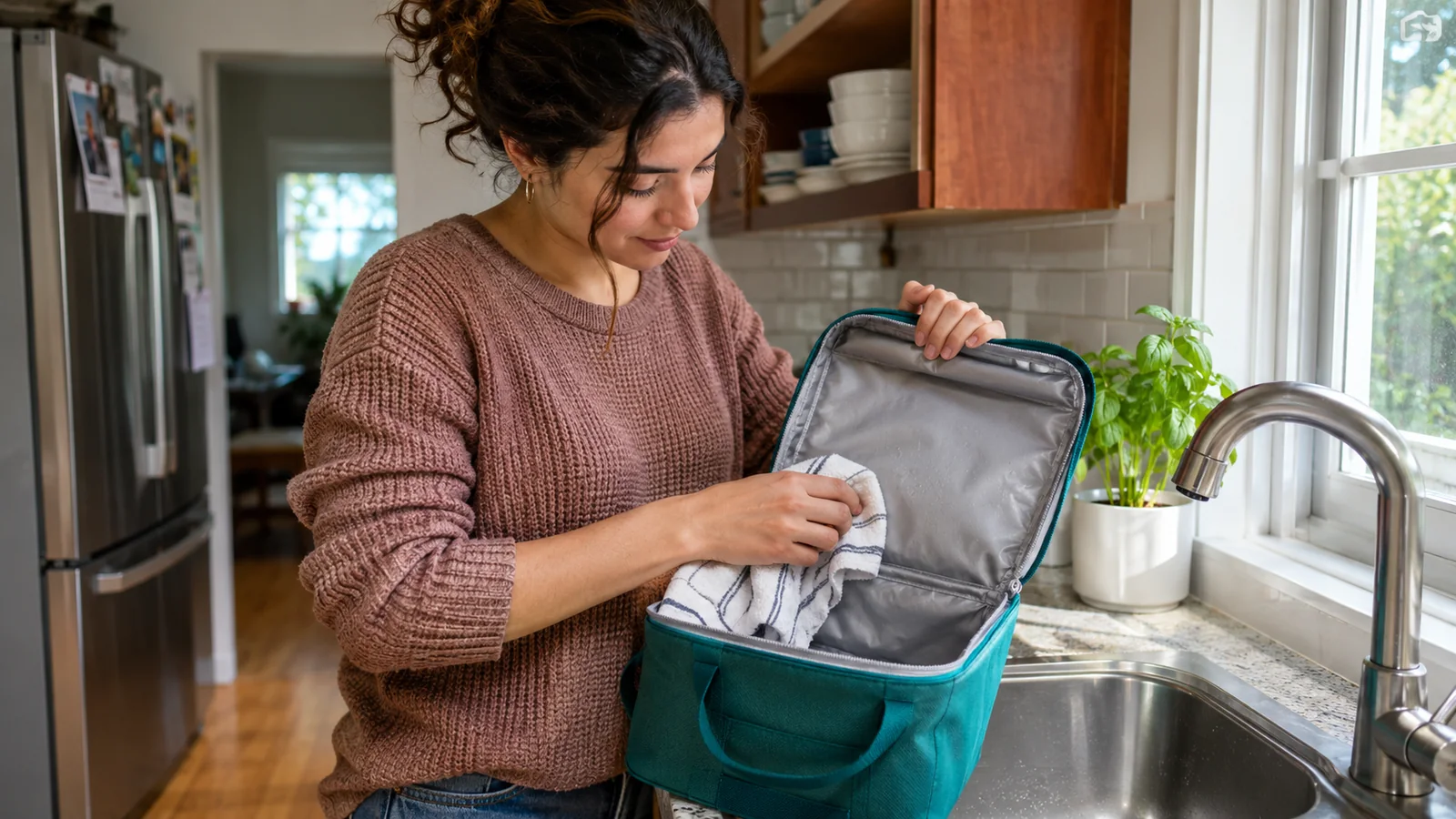
Before opening a large package or cooking extra food, ask whether you have suitable containers and refrigerator or freezer space. A cheap large pack is less useful if its surplus has nowhere to go.
Divide leftovers into shallow containers and refrigerate promptly. USDA guidance says to refrigerate perishable leftovers within two hours, or within one hour when the surrounding temperature exceeds 32°C/90°F. Its general refrigerator window for leftovers is three to four days at 4°C/40°F or below; freeze sooner if you will not use them in that period. Follow stricter product-specific or local guidance where applicable.
Label stored food with its name and date. Reheat leftovers to 74°C/165°F, checking with a food thermometer. Reheating does not make badly stored food safe. Our guide to storing leftovers safely explains the handling steps in more detail.
Keep the freezer portions useful for one meal. A single large frozen block recreates the original quantity problem when you next need dinner.
Review What You Actually Wanted to Eat
After trying the short menu, note what worked: the right amount of pasta, a filling you enjoyed, an ingredient you kept avoiding. Repeat the useful combinations and remove the ones that required too much effort.
If a long cooking session suits you, weekend meal prep offers another approach. For everyday solo cooking, a small ingredient map may be enough: three appealing dinners, a second job for each fresh purchase, and a safe destination for anything extra. Build the next menu from those decisions rather than starting again with an empty page.