
A busy week can interrupt an exercise routine without changing your intention to keep moving. When work, travel or household demands ease, the useful next step is a manageable session. You do not need to fit every missed workout into the days that follow.
To return to exercise after a break, choose familiar movement, leave room to warm up and make the first session easier to repeat. This guide concerns an ordinary scheduling disruption in someone who otherwise feels well. Returning after illness, injury, surgery or a rehabilitation programme needs separate advice suited to that situation.
Choose a Session for Today
Look at the time and energy you actually have before opening an old training plan. A session that suited a quieter month may be awkward on a day with an early meeting, a late journey or little sleep. Treat the calendar as useful information rather than a test of commitment.
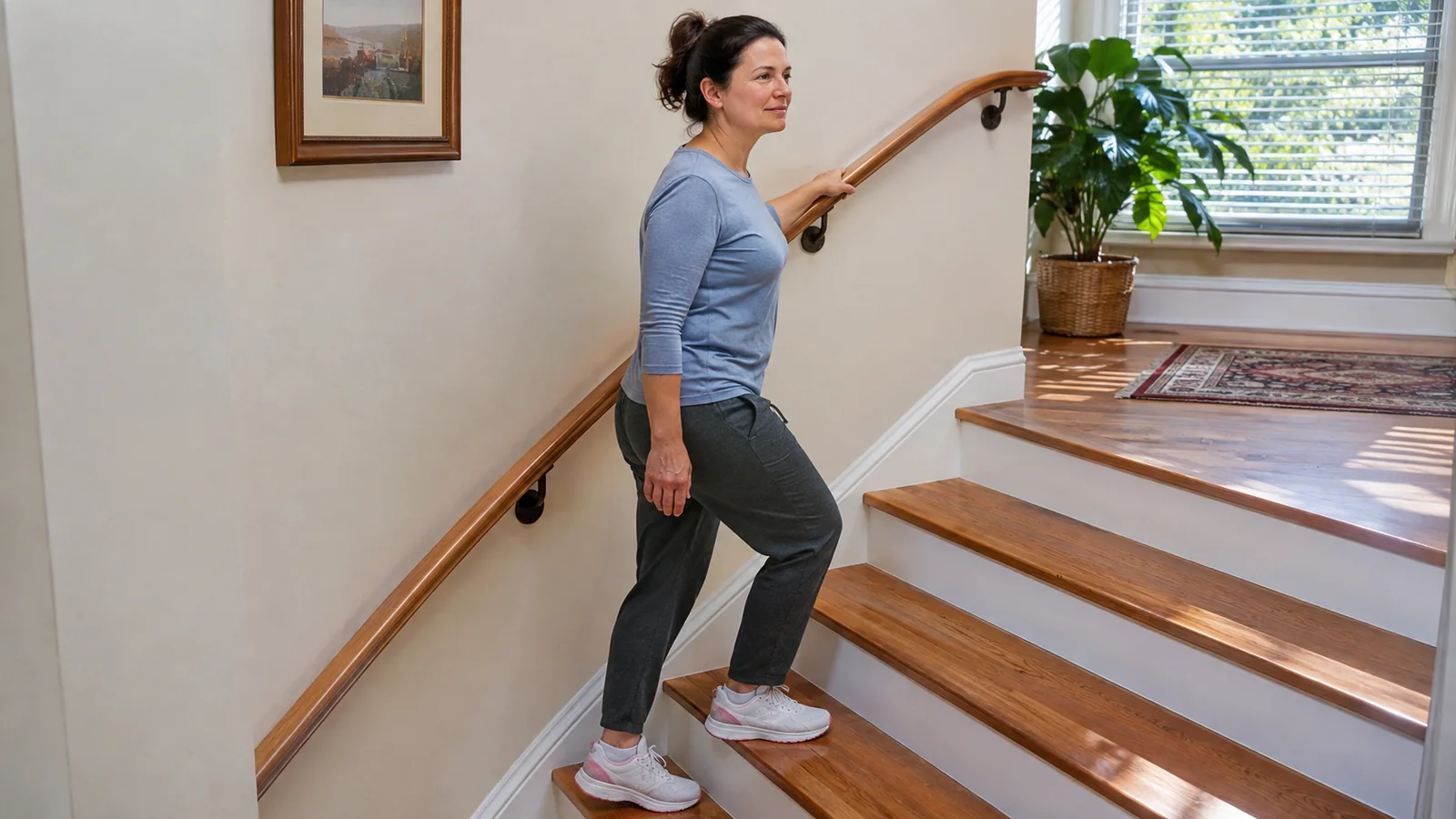
Choose an activity you already know how to do comfortably. That might be walking on a familiar level route, easy cycling on a stationary bike or a few familiar movements from an established routine. A restart is a poor moment to combine unfamiliar equipment, difficult technique and an ambitious target.
If walking suits you, our guide to building a manageable walking routine can help with routes and practical planning. The aim here is to resume an existing habit rather than design a whole new fitness programme.
There is no universal reset formula for a missed week. The length of the break, your usual activity and how you feel all matter. Avoid assuming that everyone must restart from zero or resume their hardest session immediately.
Make the First Appointment Manageable
Use this sequence as a planning process, adjusting the activity to your own abilities and any advice you have received.
- Check why you stopped. If the interruption was purely scheduling and you feel well, plan a conservative return. If pain, illness or unusual symptoms contributed, address those first instead of treating them as a motivation problem.
- Choose a small block of time. Leave space for preparation, easier movement at the start and a gradual finish. A short appointment you can complete is more useful for rebuilding the schedule than a long one you keep postponing.
- Reduce the demand. Choose a shorter route, a gentler pace or fewer familiar exercises than your more demanding sessions. Do not change several things at once or add a hard finishing challenge because the session feels modest.
- Begin gently. Start with easier movement appropriate to the activity before asking for more effort. For example, begin a walk at an easy pace rather than setting off quickly to recover lost time.
- Finish and review. Ease down gradually, then note how the session felt. Book the next manageable opportunity after considering how you feel later and the following day.
For example, someone whose usual walk takes half an hour might choose a shorter out-and-back route with an easy turnaround. That is an illustration, not a prescribed duration or a rule about what a week away does to fitness.
Keep Effort Separate From Competition
An old pace, resistance setting or fitness-app record can become an unnecessary target. Use it as background information rather than a requirement for the first day back. Comparing today’s session with your best session can encourage you to increase effort before you have checked how it feels.
The talk test can help describe aerobic effort. At moderate intensity, people can generally talk but cannot sing; at vigorous intensity, speaking more than a few words usually requires a breath. You do not have to reach either category during every minute of a restart session. Keep the activity comfortable and reduce the effort when needed.
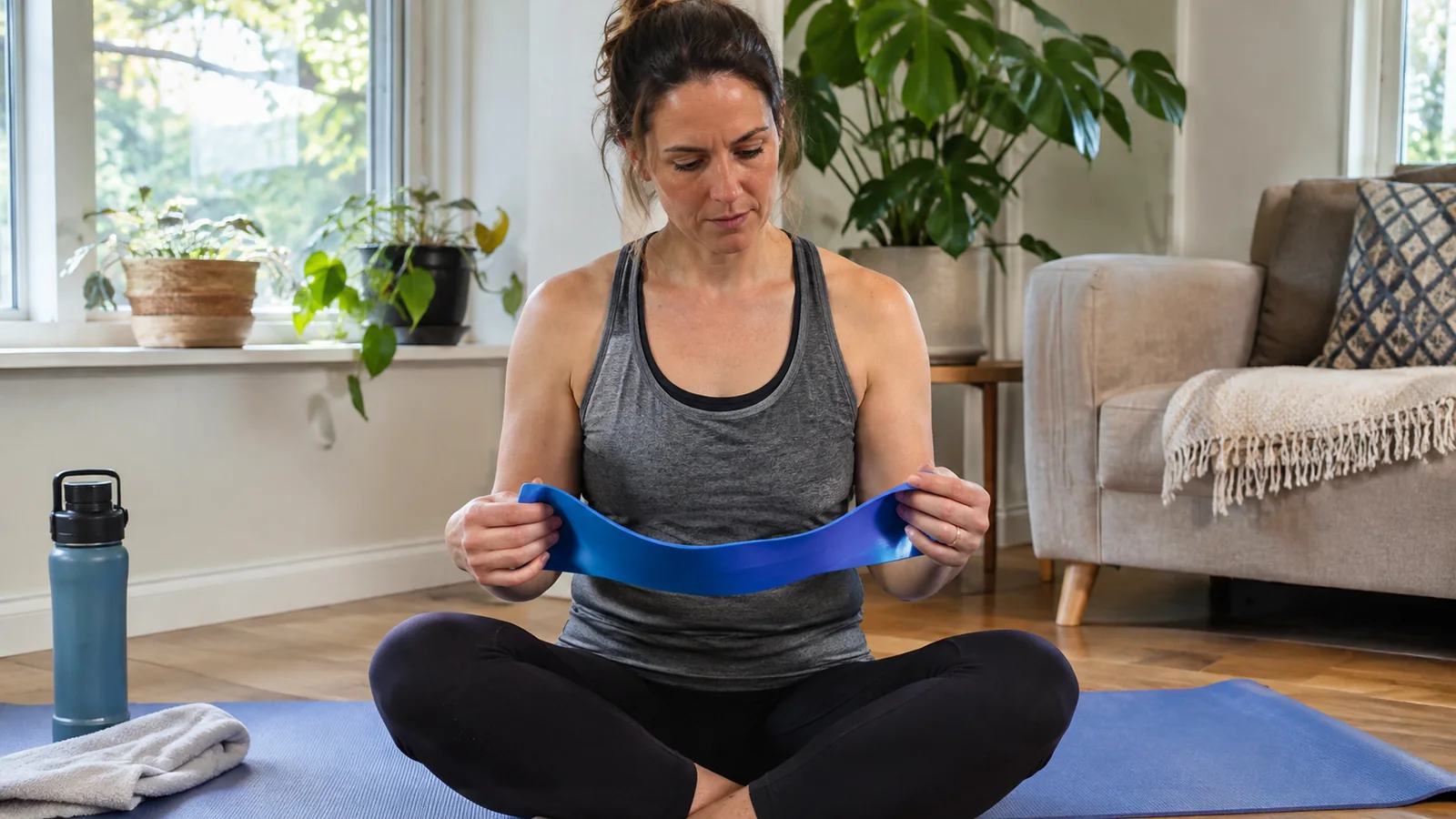
For strength work, choose familiar exercises and resist the urge to test a maximum or train to exhaustion. If equipment is involved, check its condition and setup before use. Our resistance-band safety guide covers wear, grip and surroundings for that particular equipment.
A shorter session is not a reason to rush technique. Allow yourself to move with control and stop before fatigue makes a familiar movement difficult to manage.
Rebuild the Week Without Catching Up
Write the next two realistic opportunities into your calendar. Include travel, changing clothes and other preparation if those have caused problems before. A workout that technically fits into a free half-hour may still be impractical when it requires a journey across town.
Give each appointment a smaller alternative. If a longer outing becomes impossible, a brief familiar walk might still fit. This fallback should make the day easier to organise; it should not become an obligation to exercise regardless of symptoms or circumstances.
Keep a simple note rather than a complicated scorecard:
- What activity did you choose?
- Did the effort feel comfortable and controlled?
- How did you feel later and the next day?
- Does the next appointment fit the week you actually have?
Repeat a manageable level before adding more. When you are ready to progress, make a modest change to one part of the session, such as duration, rather than simultaneously increasing pace, distance and frequency. There is no universal percentage increase that suits every person or activity.
Know When This Is a Different Kind of Return
Do not use a general restart plan to work around an injury, ongoing illness or instructions from a clinician. Seek individual advice if you have a health condition that affects exercise, are unsure which activities are suitable, or are returning after treatment. Follow an existing rehabilitation plan rather than replacing it with a generic routine.
Stop exercising if you develop pain, dizziness or unusual breathlessness. Chest pain or pressure, fainting or severe breathing difficulty needs urgent medical attention through your local emergency service. Do not interpret warning symptoms as proof that you simply need to get fitter.
Muscle soreness is not a useful target for judging whether the restart counted. If discomfort is significant, persists or changes the way you move, get advice rather than repeatedly testing it with harder exercise.
For an ordinary busy-week interruption, keep the next decision small: choose familiar movement, leave time to ease in and arrange another realistic opportunity. A repeatable appointment gives the routine somewhere to begin again.