A useful snack bag starts with the day you expect to have: when you can stop, what meals are available and whether you can keep food cold. Choose familiar foods, divide them into manageable portions and pack them so they survive the journey. The best arrangement is one you can carry, open and eat without a complicated setup.
To pack snacks for a day out, decide on storage before choosing the menu. Whole fruit and dry packaged foods may suit a trip without refrigeration; yogurt and other perishable choices need reliable cooling. Check the actual product’s storage instructions rather than judging by whether something looks like a snack.
Map the Gaps Between Meals
Think through departure, your likely meal break and the journey home. A morning appointment followed by lunch needs a different bag from an all-day outing with uncertain food stops. Write down the likely gaps rather than packing one item for every hour you will be away.
Start with the amount you normally enjoy at a similar break. There is no single snack portion that fits every adult, activity or appetite. A small container lets you carry a chosen amount without opening a large household packet repeatedly. You can adjust the amount after seeing what comes home uneaten.
If the outing crosses a normal mealtime, plan that meal separately. A handful of crackers should not become your entire lunch simply because the day ran late. Check whether you can buy or bring a meal and carry an extra suitable snack for a delay when that seems practical.
Look in the cupboard before shopping. Our grocery list planning guide can help you connect snacks with food already needed for the week. A special outing does not require several new multipacks or matching containers.
Choose Foods That Fit the Storage
For a day without dependable cooling, consider whole fruit, plain crackers or an unopened shelf-stable snack whose label allows room-temperature storage. Keep fruit protected from heavy objects and keep dry food dry. Heat can still affect quality, so leave the bag away from direct sun and follow the product’s stated conditions.
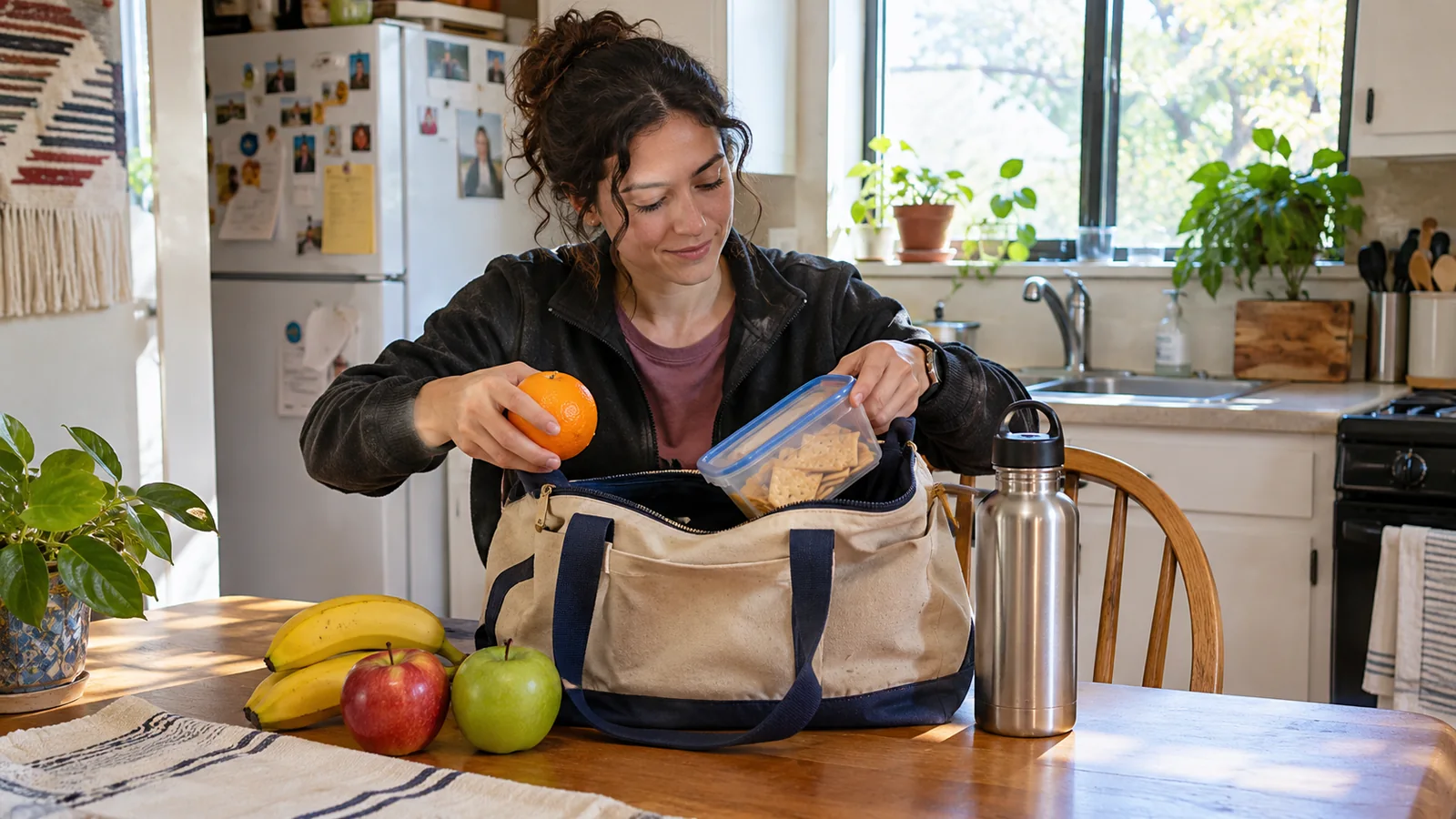
A whole orange and a separate pot of crackers make one simple adult snack option. Another is an apple with a small portion of commercially packaged roasted chickpeas labelled for ambient storage. These are examples to adapt, not a prescription or a claim that a particular pairing will keep everyone full for a set time.
With reliable chilled storage, you have more choices, such as yogurt or prepared vegetable sticks with a suitable dip. Keep chilled items separate from foods that absorb moisture. Opening several components at once can be awkward on a crowded bench, so choose a combination you can manage in the space available.
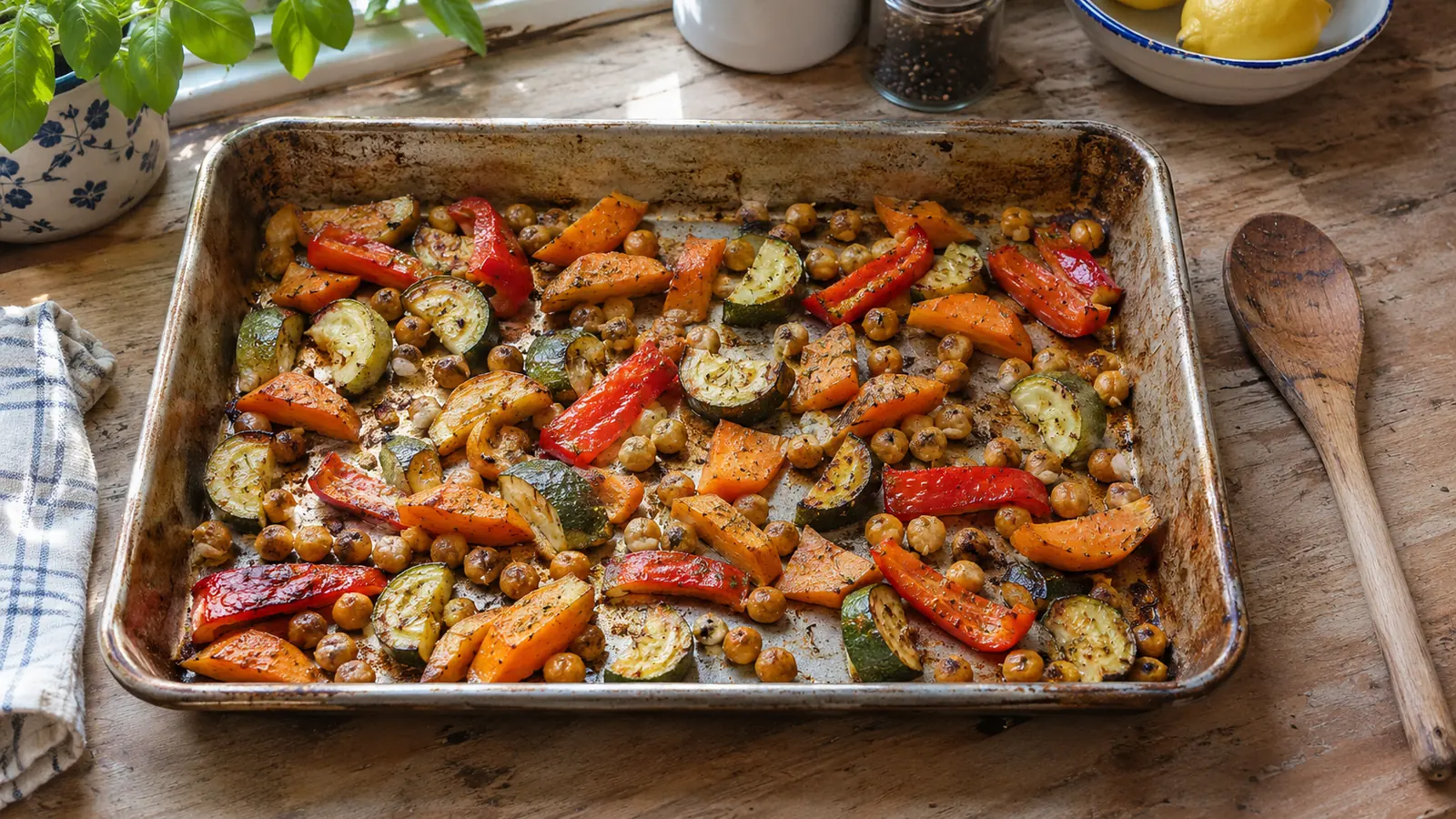
Do not assume homemade roasted foods have the same storage life as a sealed commercial product. Likewise, opening a shelf-stable package may change its storage requirements. Read the instructions before deciding that half a container can travel around in the bag for the rest of the day.
Pack in a Practical Sequence
Use this routine once you have chosen the food and checked any venue rules:
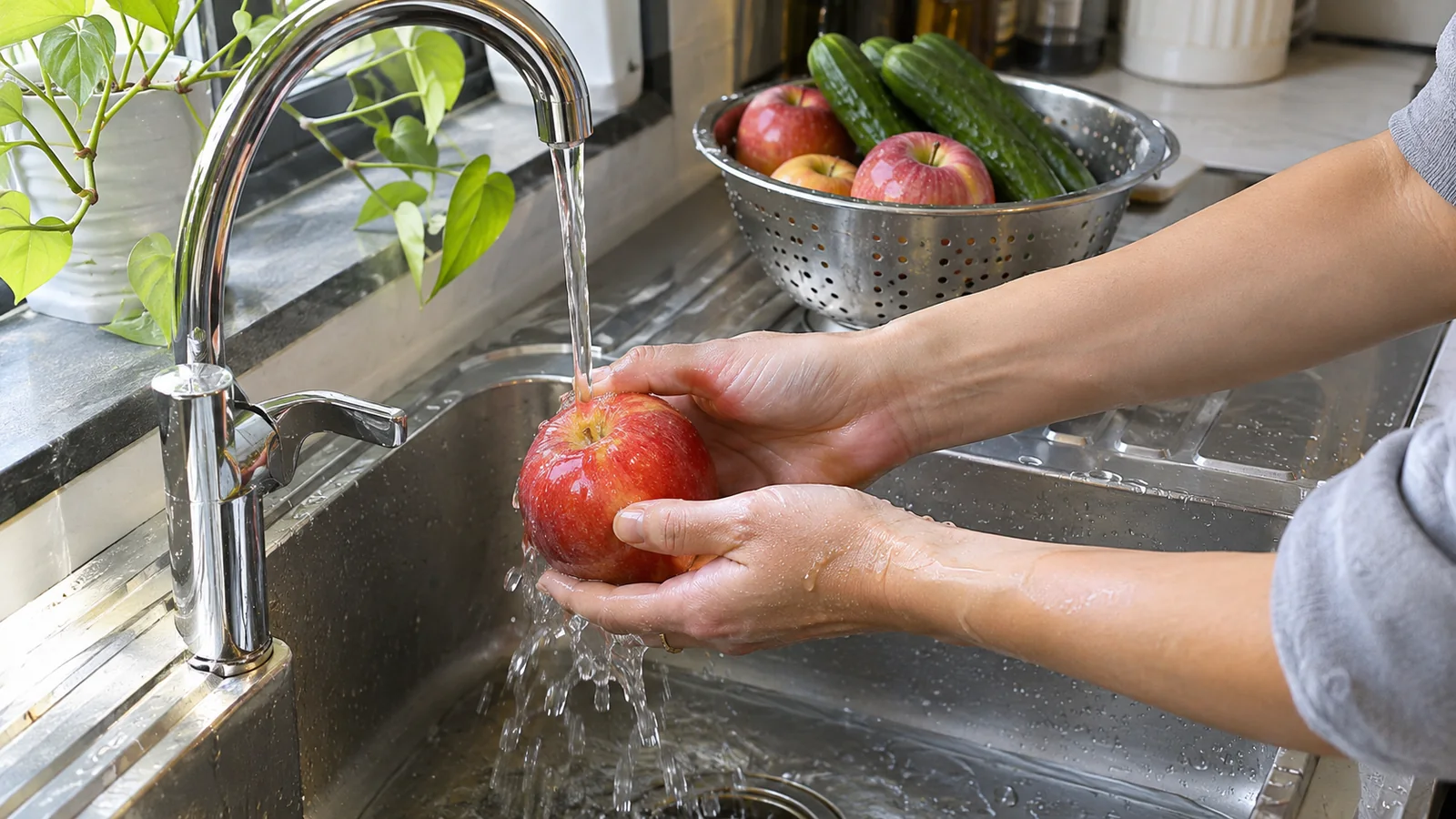
Prepare clean equipment. Wash your hands and use clean food containers and utensils. Rinse produce under running water when appropriate, then dry it before packing. Our fruit and vegetable washing guide explains the preparation step in more detail.
Divide food by eating occasion. Put a manageable amount into each pot or bag. Keep an extra unopened snack separate if it is intended for a delay, rather than mixing everything into one large container.
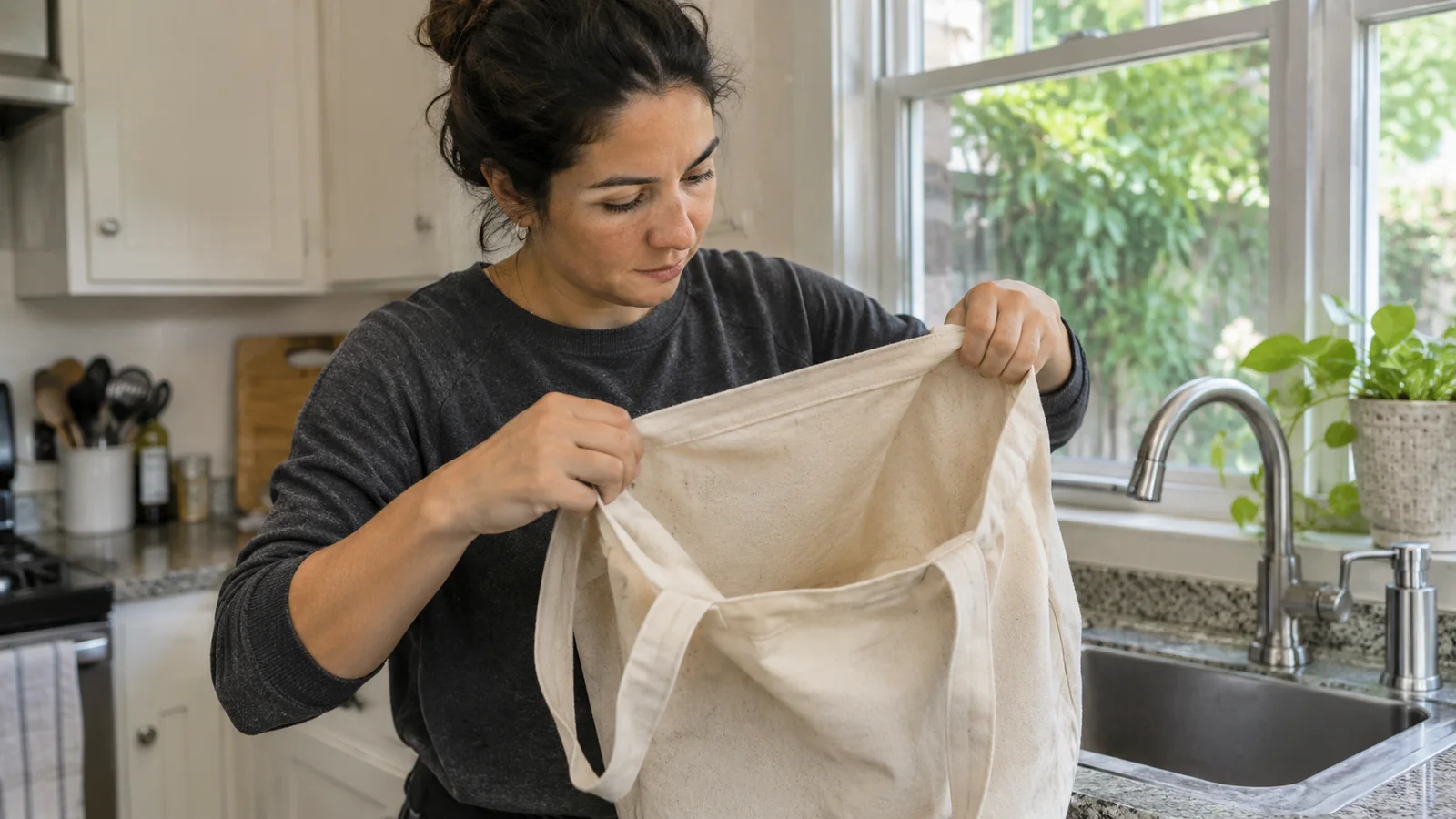
Match the container to the food. Use a rigid box for crushable crackers or soft fruit and a secure, leak-resistant pot for wet items. Check that lids fit before putting food beside documents or electronics. A lightweight box is useful only if it stays closed.
Keep incompatible textures apart. Separate moist ingredients from dry ones. If a snack needs assembling, pack only the utensils you will actually use and make sure you can open each component without placing food on an unclean surface.
Load chilled items last. Keep them refrigerated until departure, then add appropriate cold sources. Place the snack you expect to eat first where you can reach it without unpacking the entire bag.
Add the small practical extras. Bring a clean spoon if needed, a napkin and a bag for wrappers or used containers. Put a water bottle upright in its own secure space so a leak does not soak the dry food.
Try opening the packed arrangement at home. A lid that needs two hands and a flat surface may be inconvenient during a standing break. Change the container or snack before the trip rather than discovering the problem when you are hungry.
Keep Perishable Snacks Cold Until Needed
Keep perishable snacks at 4°C (40°F) or below. Use an insulated bag with two cold sources, such as ice packs, and refrigerate the food at your destination when possible. Two packs are a starting arrangement, not a guarantee of all-day temperature control; journey length, weather and how often the bag opens matter.
Do not leave perishable food without adequate cooling for more than two hours, or one hour above 32°C (90°F). Count preparation and waiting time too. These are outer limits, not a plan for storing tomorrow’s snack. If food has exceeded them, discard it.
For a late-afternoon snack, choose an option that can safely last until then under your actual arrangements. A chilled item left after lunch does not automatically stay safe for the return journey. If you cannot maintain cooling, change the food choice before leaving home.
Check Allergies Before Sharing
Read the ingredients and allergen information every time you buy a packaged snack. Recipes can change, and a familiar-looking product from another country may have different ingredients. Labelling rules also vary, so check the complete information available rather than relying only on a bold warning line.
Ask about the needs of anyone you are packing for and follow workplace, school or event restrictions. Nuts, dairy, sesame and other ingredients may matter even when a food seems ordinary. A substitute such as a seed-based spread is not automatically suitable for every person.
Keep the original label or a clear photo when repacking food. Use clean equipment and separate containers to reduce unwanted transfer between foods. Do not offer an unlabeled mixed snack to someone with an allergy or guess that removing a visible ingredient makes it suitable. Follow their established allergy plan.
When you return, empty the bag and wash reusable containers. Notice which foods travelled well and which portions were unnecessary. Keep that information for the next outing: a repeatable snack routine should fit your appetite, your bag and the storage you can actually provide.