A no-spend weekend works best when you decide what you will enjoy before deciding what you will stop buying. Plan meals from food you already have, choose activities that do not require purchases, and keep essential spending outside the challenge. The aim is to interrupt optional spending for a short period while still having a weekend worth looking forward to.
It is a budgeting experiment, not a test of discipline. You do not fail because you buy medicine, pay a bill, or replace an essential item. Nor does avoiding purchases for two days solve an income shortfall. What it can do is reveal spending habits and give you practical alternatives to repeat.
Define What Counts Before Friday Evening
Choose a clear start and finish, such as Friday after work through Sunday night. Then decide which purchases you are pausing: takeaways, shopping, paid entertainment, delivery fees, or casual purchases made while scrolling.
Keep rent, scheduled bills, necessary transport, healthcare, and other obligations in your normal budget. Do not postpone payments or go without food to preserve a zero-spending total. Needs vary between households, so your rules should reflect your circumstances.
The Consumer Financial Protection Bureau recommends distinguishing needs and obligations from wants when reviewing expenses. Apply that distinction to your plan instead of treating every payment as something to eliminate.
Write the rules in a few sentences. For example: “We will cook at home and choose free activities this weekend. Groceries needed for basic meals, medicine, and travel to work are exceptions.” A shared definition prevents arguments about an unexpected purchase.
Build a Weekend You Actually Want
An empty schedule can leave shopping or ordering food as the easiest way to relieve boredom. Choose a few appealing alternatives in advance, without filling every hour with chores.
Match the activity to what you need. If the week has been exhausting, reading, a film you already have access to, or a quiet walk may be enough. If you want company, arrange a home visit, a shared meal using available ingredients, or a free community event.
Possible options include:
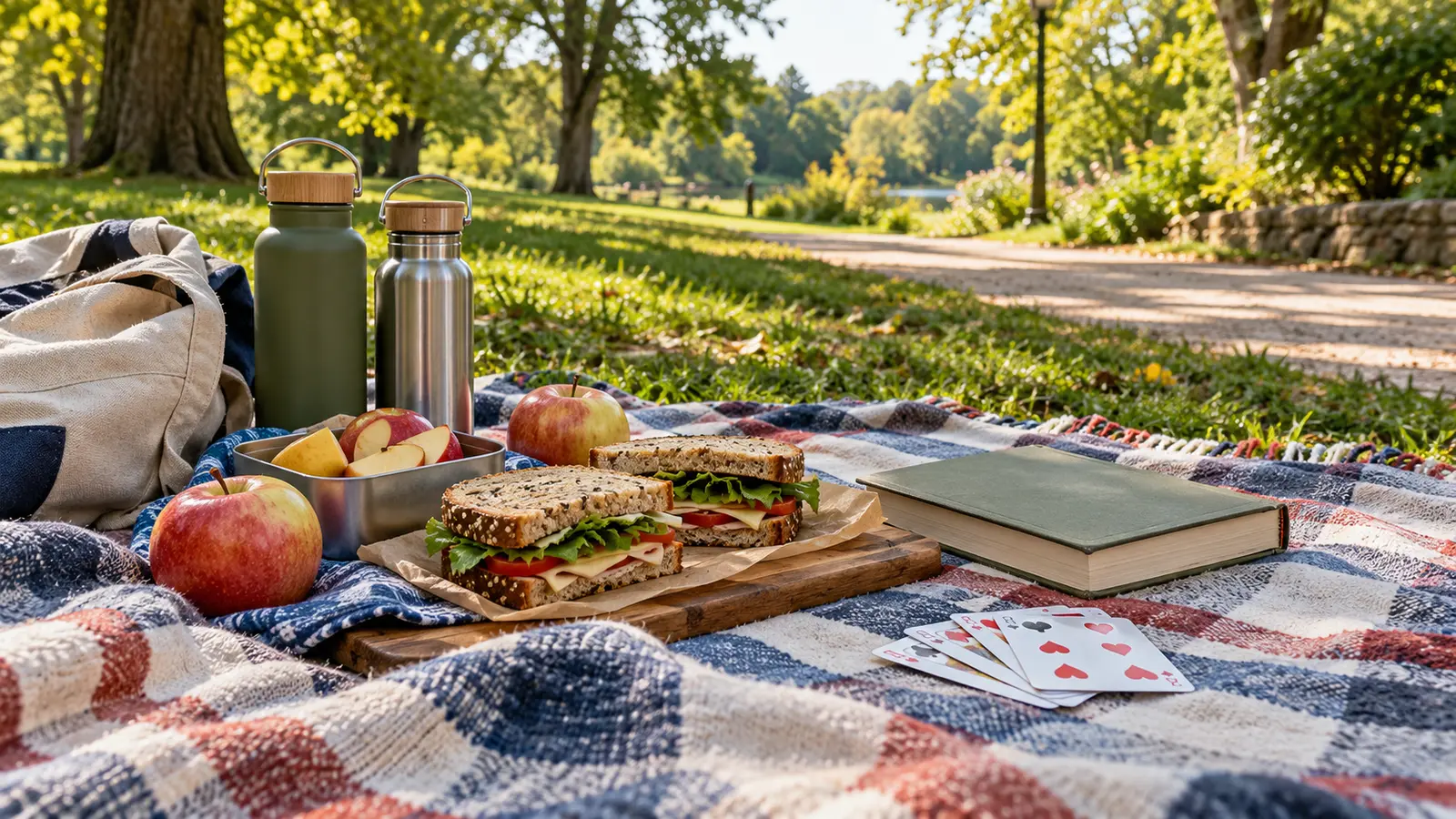
- A picnic using food from home at a nearby public space.
- A library visit or borrowing an ebook through a service you already use.
- A familiar walking route, adapted to your mobility and local conditions.
- Playing cards, a board game, or listening to music together.
- Practising a hobby with supplies you already own.
Check the full cost. A free event may involve transport, parking, booking charges, or food purchases. Confirm opening hours and accessibility, and keep a home-based backup if weather or travel makes the original plan impractical.
Prepare Without Buying Your Savings in Advance
A large Friday shop can quietly turn the challenge into two days of spending moved earlier. Preparation should make use of what is available, rather than justify buying special snacks, equipment, or entertainment.
Use this short sequence:
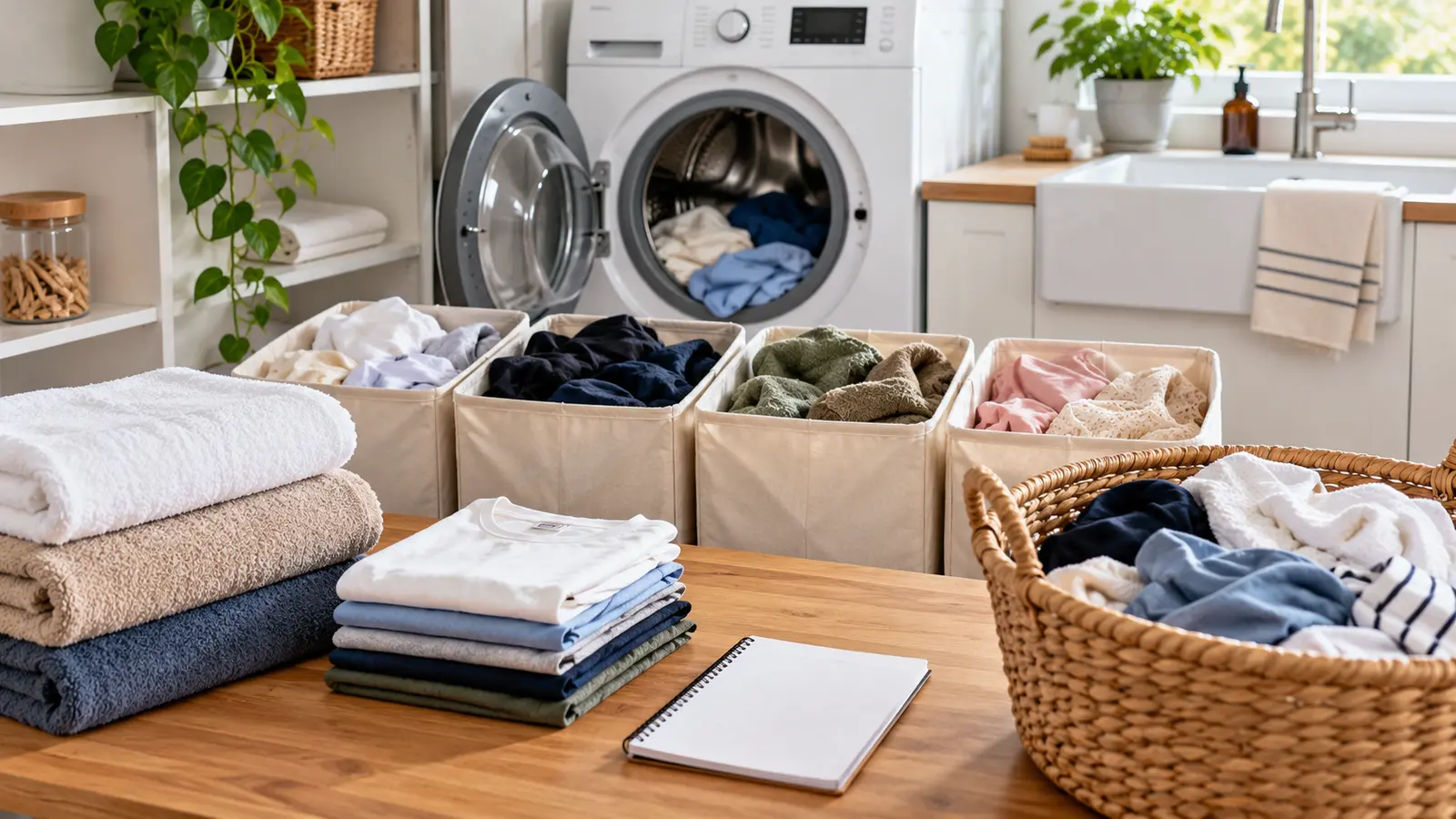
- Check the kitchen. Identify meals you can make from the fridge, freezer, and cupboards. Use perishable food while it is still suitable to eat.
- Plan simple meals. Choose food you know how to prepare and will want after a busy day. Leave room for leftovers.
- List genuine gaps. Buy necessary ingredients within your regular grocery budget instead of stocking up for the challenge.
- Arrange activities. Confirm plans with anyone joining you and explain the spending boundary.
- Reduce shopping prompts. Mute promotional notifications, close shopping tabs, and avoid browsing sales for entertainment.
GDU’s guide to planning a grocery list can help connect the weekend menu to what you already have. Keep the exercise small enough that preparing for it does not become another stressful task.
Make Social Plans Clear and Comfortable
Suggest an alternative early if friends usually meet somewhere expensive. “Would you like to come over for a walk and lunch instead?” is easier to act on than cancelling after a table has been booked.
You do not need to explain your finances in detail. Say you are keeping the weekend inexpensive and offer a specific plan. If other people prefer the original activity, you can decline without asking them to follow your rules.
For shared households, agree on the plan together. Avoid making one person responsible for all the cooking or expecting children to understand a rule that has not been explained. A manageable low-spend weekend may be more useful than a strict challenge that creates resentment.
Keep a Purchase List Instead of an Open Cart
When you want something optional, write it down with its price and why you want it. Revisit it after the weekend. This gives the decision some space without pretending you will never buy anything enjoyable again.
MyMoney.gov advises shoppers to consider whether a discounted item is needed and fits their spending plan. A sale ending on Sunday does not automatically make a purchase worthwhile. Compare the item with your priorities and available money, rather than the size of the advertised discount.
Do not turn the list into a Monday shopping queue. Some items may still be useful; others may have been responses to boredom, an advertisement, or a particular moment. Buy only what remains appropriate for your budget.
Measure What You Changed
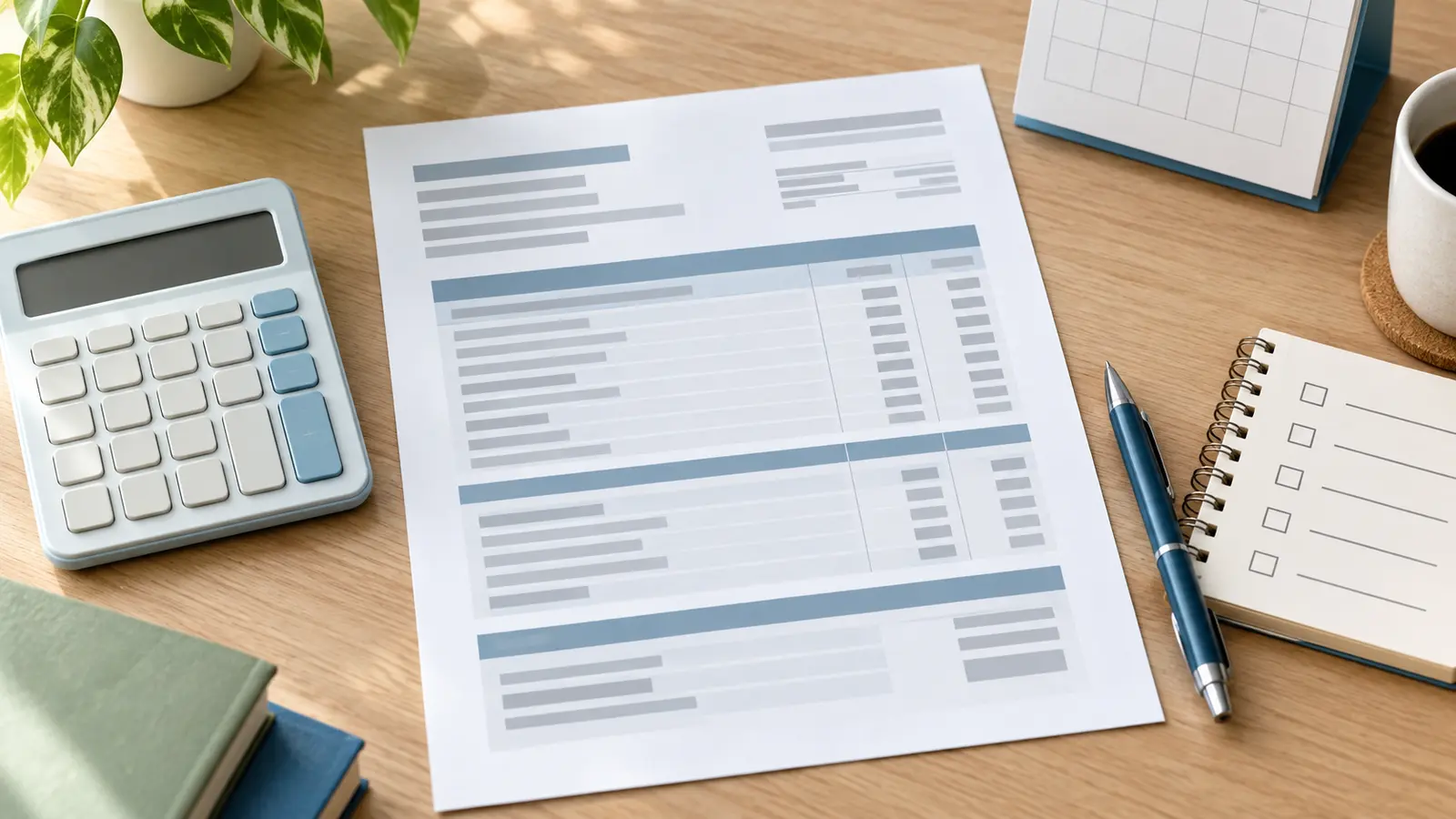
On Sunday, record what you spent, what you avoided, and any costs you moved to another day. A useful result is an honest picture of the weekend, not the highest possible savings claim.
For a hypothetical example, suppose you would otherwise have spent 30 on takeaway food and 15 on paid entertainment. You spend 8 on additional meal ingredients instead. The difference is 37 currency units, provided you did not simply postpone those same purchases until Monday. This is an illustration, not a promised saving.
Compare with your own recent spending rather than an invented expensive weekend. If you normally spend very little, the financial difference may be small. The experiment can still help you identify enjoyable low-cost routines.
If money remains after essential expenses, decide where it belongs. It might support an upcoming bill, a savings goal, or an emergency fund. Do not transfer money you still need for food or other obligations merely to record a savings milestone.
Keep the Useful Parts
Review which activity you enjoyed, which purchase was easiest to skip, and what made the weekend difficult. Consumer.gov recommends comparing actual spending with your plan and using that information to shape the next budget. A two-day experiment can feed into that broader review.
You may keep a homemade lunch habit, arrange more walks with friends, or choose one less takeaway each month. You may also discover that a modest entertainment budget makes your weekends better. Both are useful findings.
A successful no-spend weekend leaves you with more choice about how you use your money. Plan enough enjoyment, protect essentials, and judge the result by the habits worth keeping after Sunday ends.