
Rain can remove the walk to the shops, the lunchtime circuit or the time you usually spend outdoors. A useful backup is a short menu of indoor activities you can choose from without changing clothes, buying equipment or following a full workout video. Give each option a place in your day, then adjust it to the room and energy you have.
Indoor movement on rainy days can be as simple as walking along a clear hallway, stepping gently in place or taking a seated movement break. The aim here is to interrupt long stretches of stillness with comfortable activity. This is an everyday backup plan, rather than a strength routine or a training programme.
Build a Plan Around Three Decisions
Write a brief note before the day disappears into sitting. You need to decide what you will do, where it will fit and when you will start.
Choose one familiar movement. Pick something you already feel comfortable doing, such as an easy walk around the room. Start with an option that needs little explanation. If standing movement is unsuitable, choose an accessible seated alternative you know is appropriate for you.
Choose a workable location. Look for a dry, level area with enough clearance for your steps and turns. Move shoes, cables and loose rugs away from the route. Keep away from wet entrances, hot cooking areas and stairs. Our guide to preparing a small space for home exercise covers the room checks in more detail.
Choose a cue that actually happens. Try moving after you finish a work task, before settling down with a book or between television episodes. Give the break a clear beginning and end. A few comfortable minutes can be a practical starting choice; the duration is a planning example, not a required dose.
Keep a second option beside the first. If someone needs the hallway, you can step in place elsewhere. If you are tired, shorten the break. This makes the plan usable without needing the whole household to rearrange its day.
Pick Movements That Suit the Room
Walk a clear indoor route
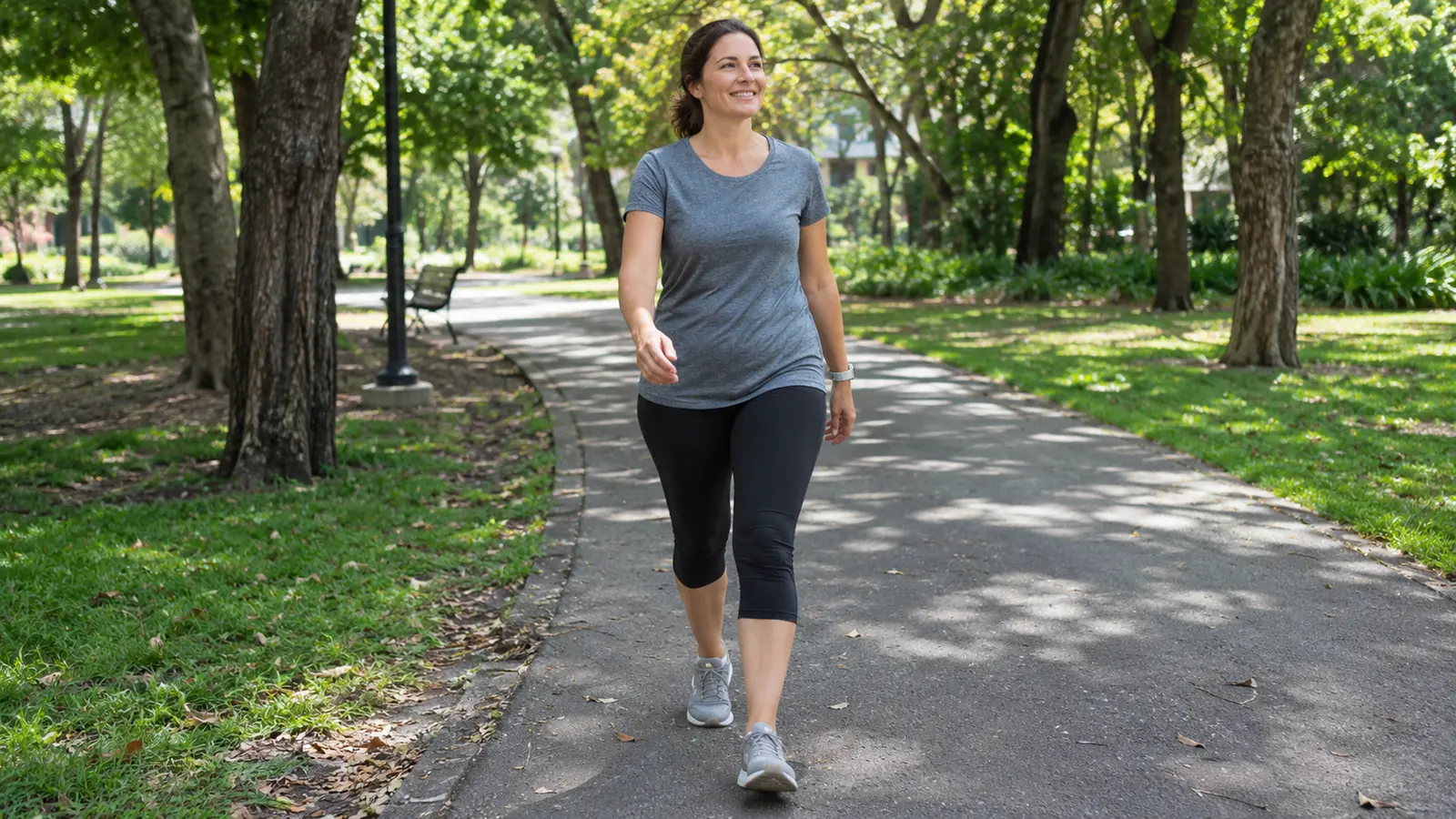
Use a hallway or the open part of a room at an easy pace. Take controlled turns, with enough room to change direction without pivoting sharply around furniture. A very short route may feel awkward; in that case, staying in one place may be more comfortable.
You do not need to carry a phone to count every step. Focus on where your feet are going, particularly near doorways. If you enjoy listening to something, set it up before moving and keep the volume low enough to hear other people.
Step in place or move to a familiar song
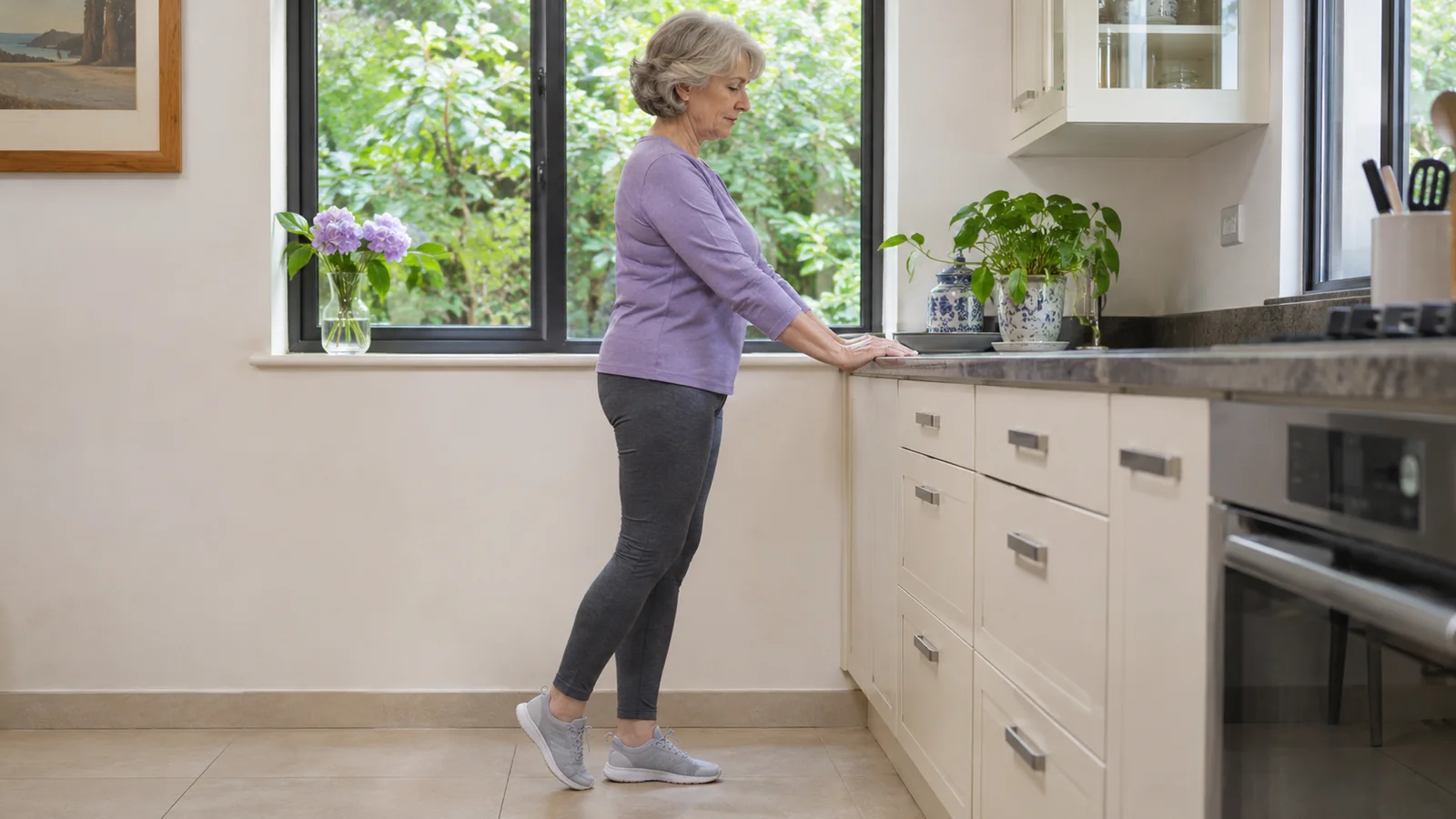
Try small, gentle steps with relaxed arm movements. Keep the movement within the area you checked and use a comfortable range. There is no need to lift your knees high, jump or copy fast choreography.
A song can provide a convenient start and finish, but you can stop before it ends. For shared walls or downstairs neighbours, keep the steps quiet and controlled. If music encourages you to rush, choose a slower track or move without it.
Use a seated option when appropriate
A solid chair without wheels can support a seated break. Sit with your feet supported on the floor and leave room around your legs. One possible movement is gently lifting one bent knee at a time, lowering the foot with control, if that is suitable and comfortable for you.
Stay within your usual ability and follow any guidance you have been given. A seated choice does not need to imitate standing activity. Avoid adding weights or chasing repetitions simply to make a short break feel more demanding.
Let ordinary tasks create opportunities
Put away a small batch of clean laundry or walk to another room to collect something you need. These are useful chances to move during the day, although the effort varies considerably between tasks. Avoid turning household jobs into hurried exercise challenges, especially when carrying hot drinks, reaching overhead or handling cleaning products.
Make the Backup Easy to Repeat
Consider this sample day: after finishing a morning task, take an easy indoor walk; after lunch, try quiet steps to part of a song; before an evening programme, take another brief movement break. Change the timing to match your responsibilities. The example is a scheduling aid, not a prescription or a promise of a particular health result.
If reminders help, label one with the actual action: “Walk the clear hallway” is more useful than “Be active.” When a reminder arrives during a task requiring attention, finish safely and move at the next suitable pause. Avoid stacking alerts until every break feels like another obligation.
Notice which option was easiest to begin. Keep that one for the next wet day and remove an awkward option. When outdoor conditions improve, return to your usual walk if it suits you; the indoor plan can remain a backup. Our walking-routine guide can help you give that outdoor habit a regular place.
Keep the Effort and Expectations Realistic
Gentle movement is useful for breaking up sitting, but it does not automatically replace every part of a broader activity routine. Public-health guidance for adults includes aerobic activity and muscle strengthening as well as spending less time sedentary. Whether an activity counts as moderate exercise depends on the effort involved, not simply on being on your feet.
As a general guide, moderate activity makes breathing noticeably harder while still allowing conversation, though singing becomes difficult. You do not need to reach that intensity for every movement break. Keep this rainy-day plan comfortable rather than turning each pause into a fitness test.
Stop if activity causes pain or makes you feel unwell. If you have medical concerns, have been inactive for some time or are unsure which movements suit you, ask a health professional. Follow existing care advice rather than using a general article to change it.
For a separate moment of gentle flexibility work, see our short stretch-break guide. You can choose different kinds of movement for different purposes without squeezing them all into one break.
Rain does not require an elaborate substitute for every outdoor plan. Choose a familiar movement, give it a clear space and attach it to a moment you already recognise. A backup you can comfortably repeat is ready to use the next time the weather changes.