Food date labels are meant to help, but they often make ordinary kitchen decisions feel more dramatic than they are. A package says “best before,” a carton says “sell by,” a jar says “use by,” and someone in the house wants to know whether dinner is still safe.
The answer is not as simple as “dates do not matter” or “throw it away the moment the date passes.” Some labels are mainly about quality. Some are stronger safety warnings. Storage temperature, whether the package has been opened, how the food looks and smells, and who will eat it all matter too.
The useful habit is to read the date as one signal, not the whole decision.
Quick Answer
Many food date labels are about quality rather than safety. “Best before,” “best by,” and “best if used by” usually tell you when the food is expected to have its best flavor, texture, or quality. “Sell by” is mainly for store inventory. “Use by” can be more important, especially on perishable foods and in places where it is used as a safety date. Do not eat food that smells wrong, looks spoiled, has damaged packaging, has been stored unsafely, or is past a safety-focused use-by date for a high-risk item. When in doubt with meat, poultry, seafood, prepared foods, infant formula, or food for someone medically vulnerable, choose the safer option.
Know Which Question the Label Answers
A food date can answer different questions:
- When will this food be at its best quality?
- How long should the store display it?
- When should it be frozen for best quality?
- When should it be used for safety?
Those are not the same question.
The U.S. Department of Agriculture explains that many package dates are not required for safety and that “best if used by” is generally a quality phrase. The U.S. Food and Drug Administration also supports clearer quality labeling because many consumers throw food away while it may still be usable. In the European Union, regulators distinguish between “best before,” which is about quality, and “use by,” which is used for foods that may become unsafe after a certain date.
That distinction matters because a dry box of pasta, an unopened jar of sauce, a carton of milk, a tray of raw chicken, and a ready-to-eat salad do not age in the same way.
What Common Date Phrases Usually Mean
Food labels vary by country and product, so always follow local rules and the package instructions. As a practical household guide, these phrases often mean:
| Label phrase | What it usually tells you | How to use it |
|---|---|---|
| Best before / best by / best if used by | Best expected quality | Check quality after the date; do not treat it as automatic spoilage |
| Sell by | Store display and inventory | Buy before or near this date, then store properly at home |
| Freeze by | Quality guidance for freezing | Freeze by this date if you will not use it soon |
| Use by | Can be quality or safety depending on product and rules | Treat seriously on perishable and high-risk foods |
| Expiration / expires | Product-specific warning | Follow the package, especially for infant formula, medical foods, supplements, or regulated products |
The label is only useful if the food has been stored correctly. A refrigerated product left in a warm car for hours does not become safe because the printed date is still next week. A pantry product in a torn, damp, or insect-damaged package may be a poor choice even before its quality date.
Separate Pantry Foods From Perishable Foods
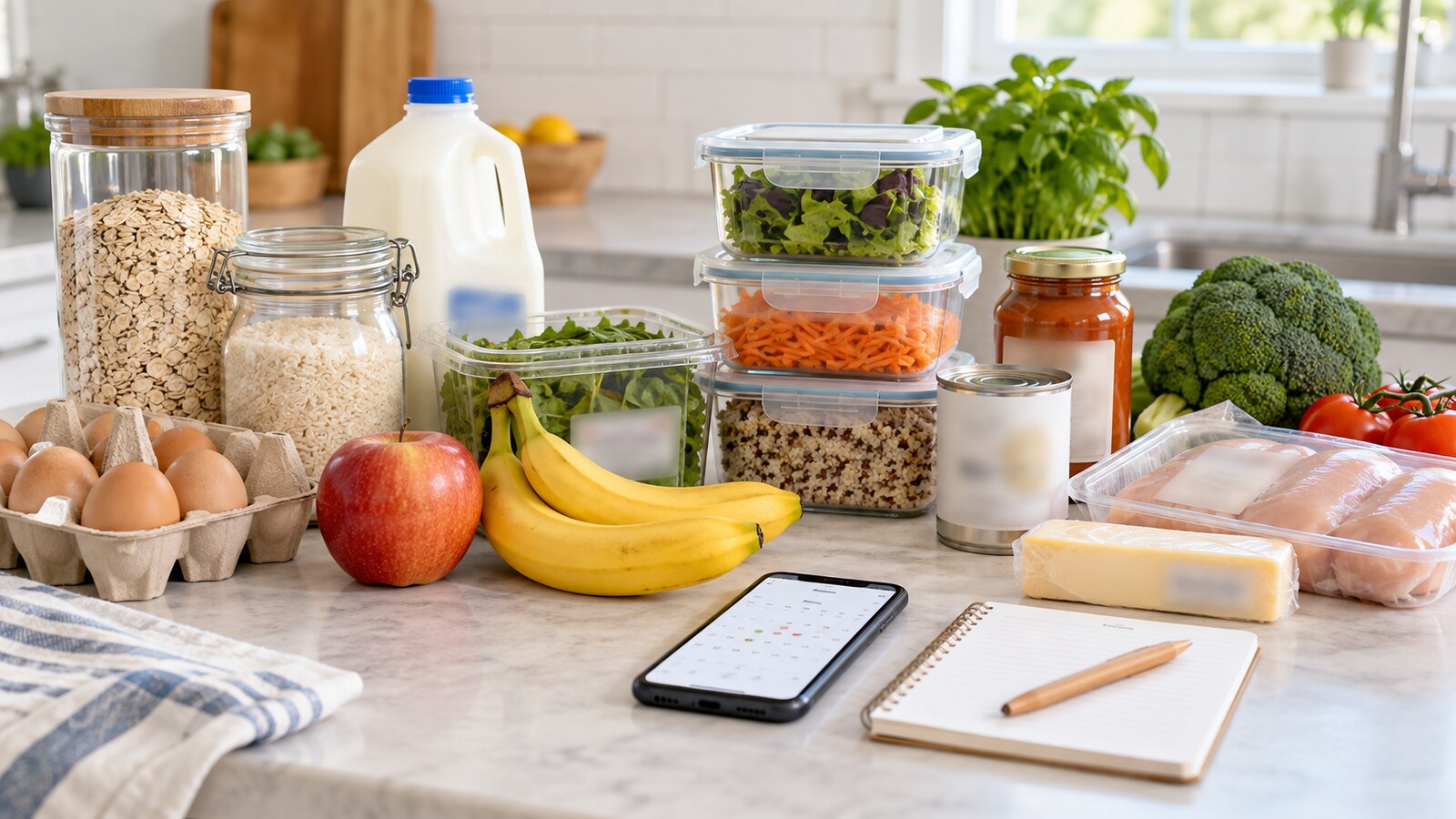
Pantry foods are often more forgiving. Rice, pasta, flour, oats, canned beans, unopened sauces, tea, spices, and crackers may lose flavor, texture, color, aroma, or rising power after a quality date, but that does not automatically mean they are unsafe.
Check pantry items for:
- Swollen, leaking, badly dented, rusty, or bulging cans.
- Mold, insects, webbing, dampness, or clumping that suggests moisture.
- Rancid smells in nuts, oils, seeds, or whole-grain flours.
- Broken seals or packages that no longer protect the food.
- A taste or texture that is too stale to enjoy.
Perishable foods need stricter thinking. Meat, poultry, seafood, milk, soft cheeses, cut fruit, cooked rice, ready-to-eat meals, deli foods, prepared salads, and leftovers can become unsafe even when they do not look dramatic. Bacteria do not always announce themselves with a bad smell.
For cooked food, GDU’s guide to storing leftovers safely covers cooling, labeling, refrigerator temperature, reheating, freezing, and discard timing. That routine is more useful than trying to rescue a container whose history is unclear.
Use Your Senses, But Do Not Overtrust Them
Sight, smell, and texture help with quality decisions. They can tell you that cereal is stale, oil smells rancid, lettuce is slimy, bread has mold, or milk has soured. Those are useful warnings.
But your senses cannot prove food safety. Harmful bacteria may be present without obvious signs, especially in high-risk refrigerated foods. A normal smell does not erase poor storage, repeated warming, cross-contamination, or a use-by date that applies to safety.
Use this order:
- Check the product type.
- Check whether the package is opened.
- Check the label phrase.
- Check storage history.
- Check appearance, smell, and texture.
- Consider who will eat it.
If the food is for a pregnant person, a young child, an older adult, or someone with a weakened immune system, be more conservative. Saving one portion is not worth a preventable illness.
Make the Date Useful Before You Put Food Away
Food dates work best when your kitchen has a simple system.
When groceries come home, put older items in front and newer items behind them. Keep a small “eat first” area in the refrigerator for foods that need attention soon. If you open a jar, carton, package, or deli item, write the opening date on it if the original label no longer answers the real question.
This matters because many labels refer to unopened products. After opening, air, utensils, hands, moisture, and temperature changes can shorten quality and safety. A sauce opened three weeks ago is a different decision from the same sauce unopened in the pantry.
For freezer planning, label what you freeze and the date you froze it. Freezing keeps food safe longer when it is done promptly and the freezer stays cold, but quality still changes over time. A dated label saves you from mystery containers and hopeful guessing.
Do Not Let “Best Before” Become Permission to Ignore Storage
A quality date is not magic protection. It assumes normal handling.
Store food according to the package instructions. Keep cold foods cold, hot foods hot, dry foods dry, and raw animal foods away from ready-to-eat foods. Refrigerate perishable groceries promptly after shopping. Do not leave chilled foods on the counter while you unpack everything else slowly.
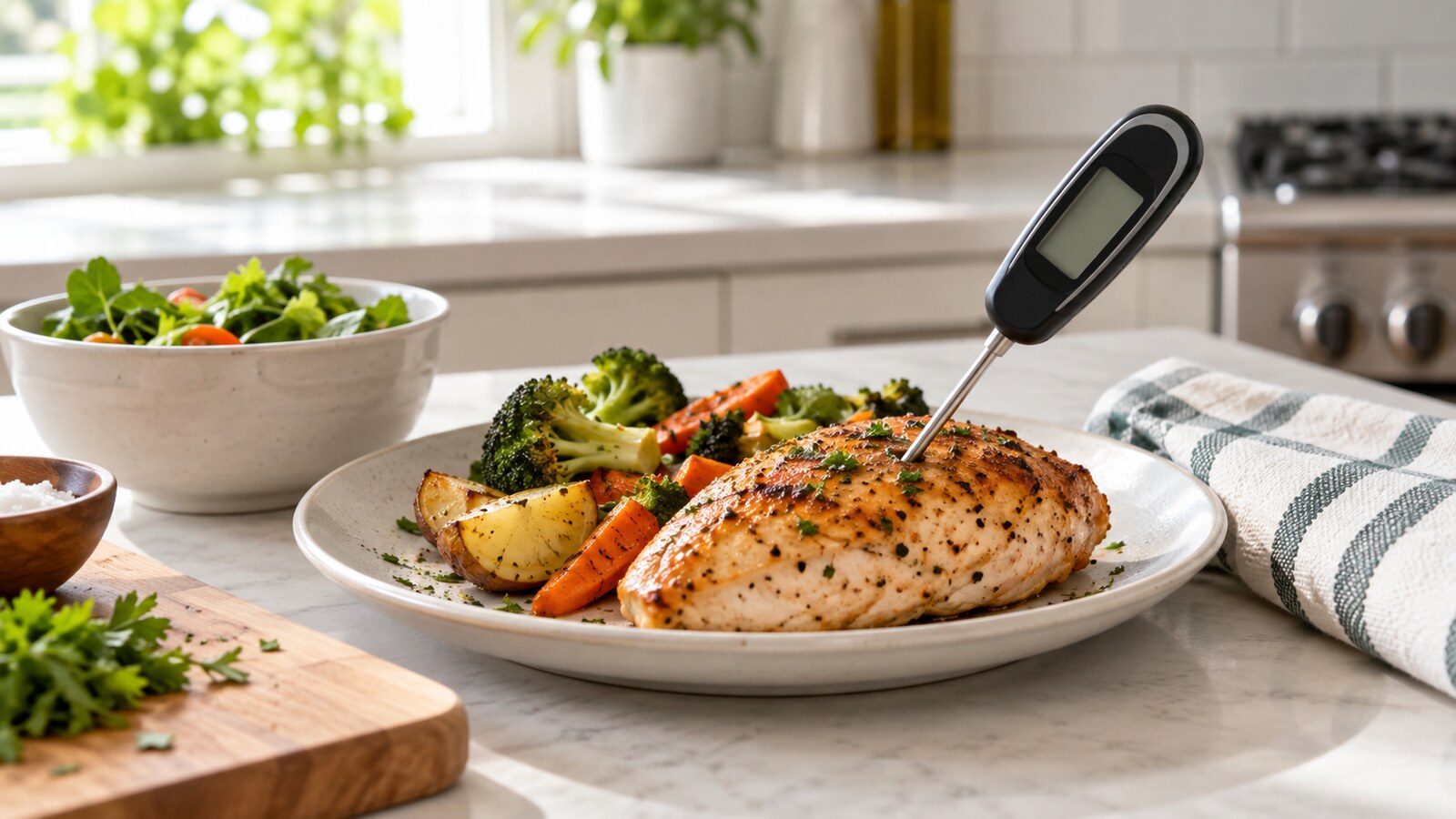
For cooking safety, use direct checks where they matter. GDU’s guide to using a food thermometer explains why color and timing are weaker than checking the center of meat, poultry, casseroles, and reheated food. Date labels help with planning; temperature checks help with cooking.
Shop With Dates in Mind
Date labels can reduce waste before food reaches your kitchen.
If you plan to eat something tonight, a short-dated product may be perfectly practical. If you are buying for next week, choose a date that fits the plan. If a larger package has a better unit price but will expire before you use it, the “deal” may become waste. GDU’s guide to comparing unit prices at the grocery store is most useful when it is paired with a realistic plan for dates, storage, and portions.
Ask three questions before buying:
- Will I use this before quality noticeably drops?
- Can I freeze part of it safely?
- Do I already have something similar at home?
This small pause prevents the classic cycle of buying backups, forgetting them, discovering several similar items near their dates, and throwing away food that once looked like savings.
A Simple Keep-or-Toss Checklist
Use this checklist when you are standing in the kitchen with the package in your hand.
Keep or use soon if:
- The label is a quality date, not a safety-focused use-by date.
- The package is unopened or recently opened.
- Storage has been correct.
- The food looks, smells, and feels normal for that product.
- The food is lower risk, such as many dry pantry staples.
Freeze or cook promptly if:
- The food is perishable and still within a safe window.
- You know you will not use it soon.
- The package instructions allow freezing.
- It has not already sat warm or been mishandled.
Throw it away if:
- The package is swollen, leaking, badly damaged, moldy, or contaminated.
- The food smells spoiled, feels slimy, or has visible mold where it should not.
- The storage history is uncertain for a high-risk food.
- A safety-focused use-by date has passed on a perishable product.
- The food is infant formula or another product where the date must be followed strictly.
The Bottom Line
Food date labels are decision tools, not kitchen verdicts. “Best before” usually points to quality. “Sell by” helps stores. “Freeze by” helps planning. “Use by” deserves closer attention, especially on perishable foods.
The calmer approach is to combine the label with storage history, product type, package condition, and the needs of the person eating it. That lets you waste less food without pretending safety is guesswork.