A doctor visit can move quickly. You may wait for days or weeks, then get a short appointment to explain symptoms, answer questions, understand advice, and remember what happens next.
That pressure is one reason people leave appointments thinking, “I forgot to mention something important.”
Doctor visit preparation is not about self-diagnosing. It is about making it easier for a health professional to understand what changed, what worries you, what medicines or supplements you use, and what questions you need answered. Short notes reduce the burden on memory when you are tired, anxious, in pain, short on time, or helping someone else.
Quick Answer
Before a medical appointment, write down your main reason for the visit, your top three questions, current symptoms, medicines, allergies, recent health changes, relevant documents, and what you need to understand before leaving. Bring the notes in a form you can access easily, and record the follow-up plan afterward.
Start With the Purpose of the Visit
Begin with one sentence:
I am here today because...
That sentence helps you focus. It also helps the clinician understand whether the appointment is mainly about a new symptom, a long-term condition, a test result, a medicine question, a preventive check, a form, or a follow-up after another visit.
If several issues compete for attention, separate them into two lists:
- Must discuss today.
- Discuss if time allows.
Many visits have limited time, and a priority list helps the most important concern surface early. If your list is long, ask which items need a separate visit, message, test, referral, or urgent review.
Write Down Your Top Three Questions
Questions disappear under pressure. Write them before the appointment.
Good questions can guide the conversation:
- What might be causing this symptom?
- What signs mean I should seek urgent help?
- What are the benefits and risks of this test or treatment?
- Are there alternatives?
- When should I expect results?
- What should I do if symptoms do not improve?
- What should I stop, start, change, or avoid?
Put the most important question first. If you need a clear action plan, say directly: “Before I leave, I want to understand what to do next and when to come back.”
Make Symptom Notes That Are Actually Useful
Symptom notes do not need to be long. The best notes are concrete.
For each main symptom, record:
- What it feels like.
- When it started.
- Where it happens.
- How often it happens.
- How long it lasts.
- What makes it better or worse.
- Whether it is improving, worsening, or changing.
- Any related symptoms.
- What you have already tried.
Avoid turning the appointment into a diary reading. Instead, summarize the pattern. “The headaches started three weeks ago, happen four or five mornings a week, last about two hours, and are worse after poor sleep” is more useful than a vague statement that you have had headaches “for a while.”
If symptoms are visual, such as a rash or swelling that comes and goes, a dated photo can help. If symptoms involve timing, such as sleep, blood pressure, blood sugar, digestion, pain, mood, or menstrual cycles, a short log can be useful.
Bring a Current Medicine List
Medication details are easy to forget, especially when several products are involved. Bring a current list of prescriptions, over-the-counter medicines, vitamins, minerals, herbal products, supplements, allergies, doses, schedules, and recent changes.
Do not assume a clinic record is complete. Records may not include medicines prescribed elsewhere, pharmacy changes, supplements, stopped medicines, or products you use only sometimes.
If you already keep a medicine record, review it before the appointment. GDU’s guide to keeping a medication list for doctor visits explains what to include and how to keep it current.
Also mention side effects, missed doses, cost barriers, pregnancy or breastfeeding where relevant, and any medicine you stopped because it caused a problem.
Prepare Your Health Background
For a new clinician, specialist visit, second opinion, or complex concern, gather the basics:
- Current medical conditions.
- Past surgeries or hospital stays.
- Allergies and reactions.
- Recent tests, scans, or lab results.
- Vaccination records if relevant.
- Family history that relates to the visit.
- Pregnancy status where relevant.
- Names of other clinicians involved.
- Pharmacy details.
You do not need to bring every document you own. Bring what connects to the purpose of the visit. A skin concern may need photos and medicine details. A heart-related concern may need recent readings, test results, and a medicine list. A follow-up after an emergency visit may need discharge papers.
If your household keeps key records together, connect the appointment notes to that system. GDU’s guide to building an emergency folder can help organize medical contacts, insurance information, and essential documents before a stressful moment.
Be Honest About Habits and Constraints
Useful care depends on accurate information. Share relevant habits and constraints without trying to sound like the perfect patient.
That can include sleep, alcohol, tobacco, drug use, exercise, diet, work schedule, caregiving duties, stress, housing, travel, costs, religious or cultural needs, transportation, language needs, and whether you can realistically follow a plan.
If the instruction is too expensive, too complicated, too painful, unsafe at work, hard to fit around caregiving, or confusing, say so. A plan that looks good on paper but cannot be followed is not a good plan for your real life.
Ask for Language, Accessibility, or Support Needs Early
If you need an interpreter, mobility support, extra time, written instructions, accessible formats, a caregiver present, or help using a portal, tell the clinic before the visit when possible.
Do not rely on a child, relative, or friend to interpret sensitive medical details if professional interpretation is available. Clear communication matters, and medical words can be easy to misunderstand.
If you want another person with you, decide their role in advance. They can help remember instructions, take notes, describe changes, or ask a prepared question. They should not take over unless you want them to.
Take Notes During the Visit
During the appointment, write down the plan in plain language. If you cannot write, ask whether printed instructions, portal notes, or a visit summary will be available.
Capture:
- The likely explanation or diagnosis, if one is given.
- Tests ordered and why.
- Medicines started, stopped, or changed.
- What to watch for.
- When to expect results.
- When to follow up.
- Who to contact with questions.
- Warning signs that need urgent care.
If a word is unfamiliar, ask for it to be repeated or spelled. If instructions are unclear, ask for an example. Small clarifications can prevent bigger confusion later.
Confirm the Follow-Up Plan Before Leaving
The end of the visit is where many details get lost. Before leaving, ask:
- What is the next step?
- When should I do it?
- How will I get results?
- What should I do if I do not hear back?
- What symptoms mean I should seek urgent care?
- Should I book another appointment now?
If tests, referrals, forms, or prescriptions are involved, confirm where they are going. Is the prescription electronic? Which pharmacy? Is the referral being sent automatically? Do you need to call?
After the visit, update your notes while the conversation is fresh. Save the visit summary, add medicine changes to your list, set reminders, and schedule follow-up tasks. If your phone supports emergency medical details, keep only the essentials there and review GDU’s guide to setting up emergency contacts on your phone.
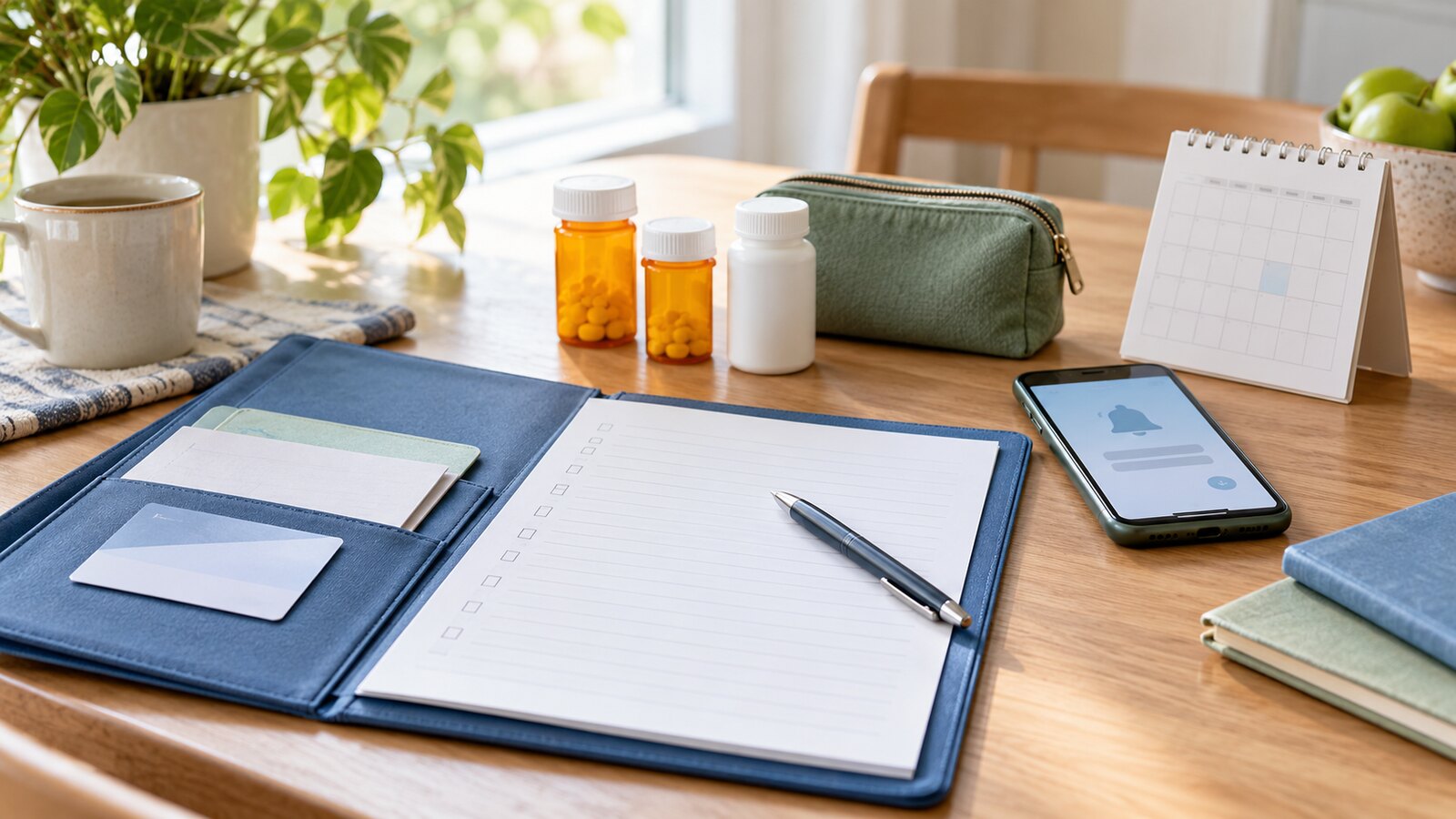
A Simple Doctor Visit Checklist
Use this before your next appointment:
Reason for visit:
Top three questions:
Main symptoms and timing:
Medicines, supplements, allergies:
Recent changes:
Relevant documents or test results:
Support or interpreter needs:
Insurance or payment details:
What I need to understand before leaving:
Follow-up plan:
Keep the checklist short enough to use. A single page is often better than a complicated packet.
Common Mistakes to Avoid
Avoid waiting until the appointment starts to organize your thoughts, hiding details because they feel embarrassing, bringing too much information without a short summary, or leaving without understanding the next step.
Before you go, repeat the plan back in your own words: “So I should do the test this week, wait for the portal result, continue this medicine, and call if the pain gets worse. Is that right?”
The Practical Takeaway
A better doctor visit does not depend only on the clinician. It also depends on whether the most useful information reaches the room at the right time.
Doctor visit preparation gives you a small system: purpose, questions, symptoms, medicines, documents, support needs, and follow-up. It will not replace medical judgment, and it should not be used to self-diagnose. But it can make the conversation clearer, reduce forgotten details, and help you leave with a plan you actually understand.