
A day out can cost more than the ticket that prompted it. Getting there, coming home, eating and accepting an extra invitation all belong in the same plan. Set a total before leaving, then decide which parts of the outing fit inside it.
A useful day out budget covers return transport, food, activities and a small margin for changes. Start with money available after your other commitments, rather than with the balance displayed in your account. The aim is to enjoy a specific outing with a clear stopping point for optional spending.
Decide What This Outing Can Use
Look at what must still be paid before your next income arrives. Rent, household food, utilities, debt payments and other commitments do not disappear because the bank balance looks healthy today. Money already assigned to those costs is not part of the outing allowance.
Choose an amount from the leisure money you can currently afford. If that amount will not cover the proposed trip, change the trip before booking. A closer destination, shorter visit or different date may fit better. Borrowing to preserve the original itinerary adds another cost to a leisure decision.
Keep the scope clear. Are you budgeting for yourself, two adults or a whole household? Does the total include a ticket already bought? If you are counting that ticket in the outing total, mark it as paid so it is not deducted twice when working out what you still need.
If uneven pay makes the available amount unclear, first work through a budget for irregular income. A single day’s spending limit works best when it fits the wider household plan.
Build the Plan Before Buying
Use a short note on paper or your phone. Work through the essentials before choosing extras.
- Price the whole journey. Check current fares for the route and date, including the return. For a car trip, allow for fuel, parking and any tolls that apply. Avoid treating transport as free simply because you already have a vehicle.
- Add the main activity. Check the provider’s current booking page for admission, booking fees and required extras. Confirm what the ticket includes instead of assuming every activity at the venue is covered.
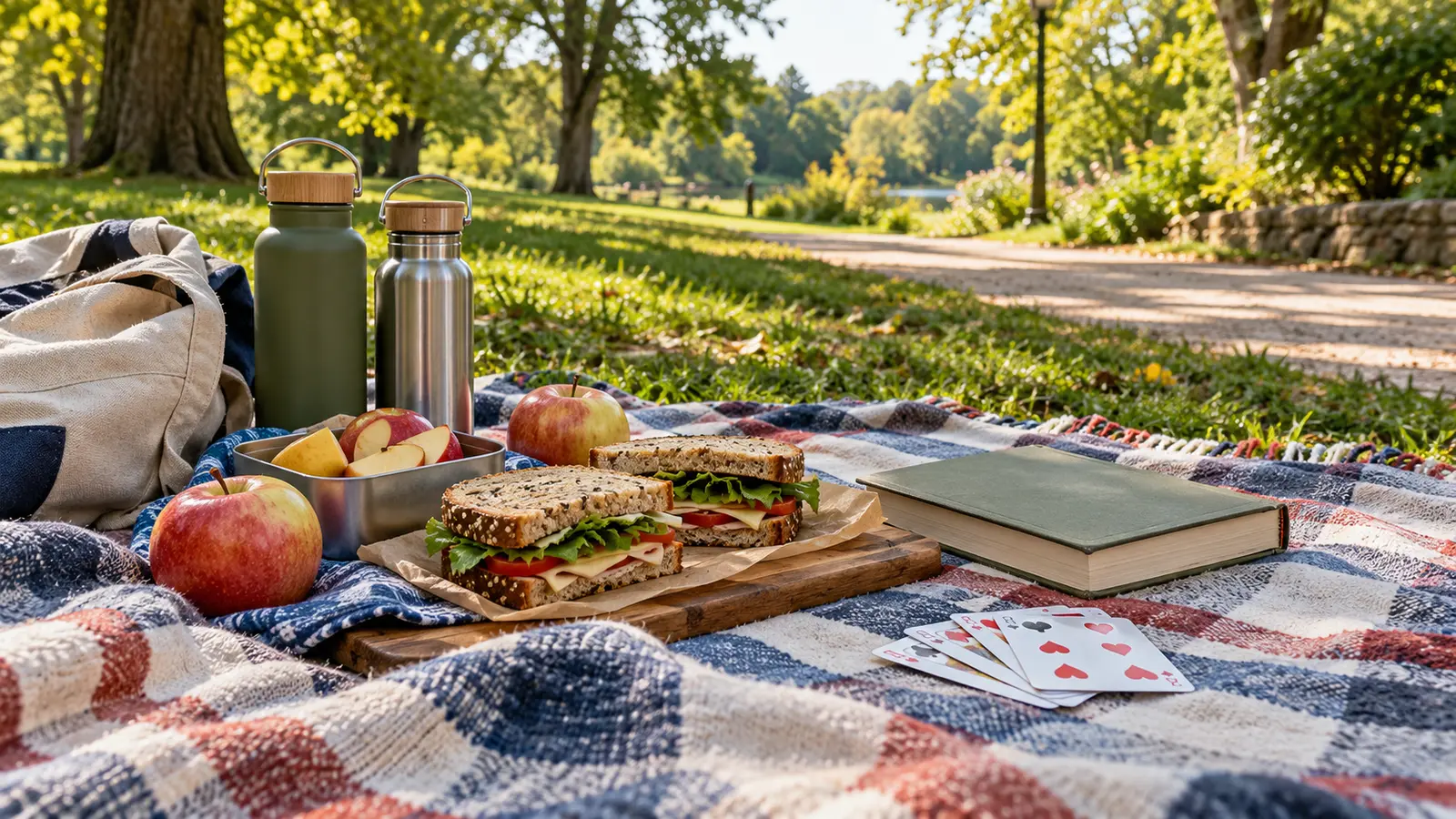
- Decide how food will work. Choose whether to bring food, buy a meal or combine the two. Check venue rules before packing a picnic. Include drinks and snacks you reasonably expect to buy.
- Set a small margin. Leave part of the total unassigned for a change of plan or a modest price difference. There is no universal correct percentage; choose an amount that fits the outing and your limit.
- Compare the sum with the ceiling. If it is too high, remove or change something now. Keep the margin inside the ceiling rather than adding it after declaring the budget finished.
Do not rely on an old screenshot of a price. If the provider cannot confirm a necessary cost, either allow a realistic amount you can afford or choose a plan with clearer costs. A discount is useful only when the final purchase fits the outing you intended to fund.
A Simple Example in Any Currency
Suppose one person’s spending ceiling is 50 units in their local currency. These figures are invented arithmetic examples, not current prices or a recommended amount for everyone.
| Part of the outing | Planned amount |
|---|---|
| Return transport | 12 |
| Admission | 14 |
| Food and drink | 16 |
| Unassigned margin | 8 |
| Total ceiling | 50 |
The planned purchases add to 42, leaving 8 within the ceiling. If admission turns out to cost 17 rather than 14, the same plan would leave a margin of 5. You can accept that change, reduce another optional cost or choose a different activity.
If the admission has already been paid, count the full outing as 50 but recognise that only 36 remains to be funded on the day. Keep the paid ticket visible in the record so the full cost does not get forgotten.
The margin is separate from your wider emergency savings. It is simply room within this outing’s allowance. You do not have to spend it, and it should not become a target for a last-minute purchase.
Agree on Shared Costs Early
When friends suggest a day out, clarify the expensive parts before anyone books. Ask whether the plan includes a sit-down meal, a paid attraction or shared transport. A casual invitation can mean very different amounts to different people.
State your boundary plainly: “I can join the walk and lunch, but I am skipping the second attraction.” You can discuss a limit without explaining your whole financial situation. Suggesting a cheaper version early gives others time to decide whether it suits them too.
For shared bookings, agree who is paying and when everyone will reimburse them. Record your own share as committed even if the payment has not left your account. If you cover the whole bill temporarily, check that doing so will not leave you short before repayments arrive.
Avoid assuming that every group cost will be divided equally. Check what has actually been agreed, particularly when people join for different parts of the day.
Check What Remains During the Day
After a purchase, subtract it from the relevant allowance or update one running total. A notebook, calculator or simple phone note is enough; no new app or account is required. Include cash purchases as well as card or mobile payments.
Before buying an extra, ask three questions:
- What have I already spent or committed to pay?
- What still needs to be kept for food and the journey home?
- Does this purchase fit after protecting those costs?
In the example, spending 14 on admission and 10 on lunch does not make the remaining 26 freely available. Transport still needs 12, and later food or drinks may use part of the allowance. Keep the return journey protected until you are home.
If the plan becomes too expensive, shorten the visit or skip an optional stop. Choose a safe way home rather than taking an unsafe journey to meet a target. Afterwards, note the actual total and the cost you missed. Use that information for the next outing.
For days when paid activities do not fit, a no-spend weekend plan offers a different starting point. For this outing, a clear total, a funded return journey and a little room inside the limit are enough to make the next spending decision easier.