
Passport problems are easiest to fix before money is committed. Once flights, hotels, visas, tours, school trips, cruises, or work meetings are booked, a small expiry-date oversight can become expensive and stressful. The passport may still look valid, but that does not always mean it is valid enough for the journey you are planning.
The safest habit is simple: check the passport before booking, not during online check-in. That means checking the expiry date, issue date, blank pages, physical condition, name, visa requirements, transit rules, and renewal timing for every traveler in the booking.
Quick Answer
Before booking international travel, confirm that each passport is valid for the destination, transit country, airline, and return journey. Many destinations require a passport to remain valid for three or six months beyond travel dates, and some require blank visa or stamp pages. If the passport is damaged, nearly full, recently renamed, close to expiry, or held by a child, check official guidance and start renewal before buying non-refundable travel.
Check The Expiry Date Against The Whole Trip
Start with the passport expiry date, then compare it with the final day you expect to be abroad. Do not check only the departure date. A passport that is valid when you leave may still fail a rule based on the day you arrive, the day you exit, or the length of permitted stay.
The familiar “six-month rule” is not one universal rule. Some destinations ask for six months of validity beyond arrival, some beyond departure, some require three months, and some require only validity for the stay. Airlines may also deny boarding if a destination’s passport requirement is not met. The U.S. Department of State warns travelers that some foreign destinations require at least six months of validity beyond trip dates, and that airlines may refuse boarding when that requirement is missed.
Because rules vary, check the destination government’s official entry page and your airline’s document checker. IATA’s Travel Centre is also useful because it draws on the Timatic database used by airlines to check passport, visa, and health-document requirements.
Do The Same Check For Transit Countries
A transit airport can create a document requirement even when you do not plan to leave the terminal. Some routes require travelers to clear immigration, collect and recheck bags, change airports, stay overnight, or pass through a country with its own transit visa and passport-validity rules.
This matters when a cheaper flight includes a long connection or separate tickets. A destination may accept your passport, while the connection point may not. Before booking, check every country on the itinerary: origin, destination, connections, cruise ports, rail border crossings, and any planned day trips.
If the route is complicated, book with extra care. Separate tickets can make you responsible for entry requirements at the connection point, even if the first flight is delayed.
Count Blank Pages
Some travelers focus only on the expiry date and forget blank pages. Visas, entry stamps, exit stamps, residence permits, and border stickers need space. The U.S. State Department notes that some destinations require two to four blank visa or stamp pages, and airlines may refuse boarding if the requirement is not met.
Open the passport and count fully blank pages, not just half-empty pages with old stamps. Check whether the destination requires facing blank pages or pages labeled for visas. Frequent travelers, business travelers, backpackers, cruise passengers, and anyone visiting multiple countries on one trip should be especially careful.
If your passport is nearly full, renewal may be safer than trying to squeeze in one more journey. Some countries no longer add extra pages to an existing passport, so replacement may be the only practical fix.
Inspect The Passport For Damage
A passport does not need to be destroyed to cause trouble. Water damage, torn pages, a loose cover, peeling laminate, unreadable biodata, missing pages, heavy ink stains, altered details, or a damaged chip can all raise questions at check-in or border control.
Normal wear is different from damage, but travelers should not gamble with a passport that looks suspicious or hard to scan. If the photo page is affected, if any page is missing, or if the machine-readable zone is damaged, check your issuing authority’s replacement guidance before booking.
This is especially important before urgent work travel, weddings, cruises, international exams, medical trips, or once-a-year family visits. A damaged passport problem discovered at the airport is usually too late to fix calmly.
Match The Name On Every Booking
The passport name should match flight bookings, visa applications, hotel confirmations where required, vaccination or health documents, insurance documents, and loyalty profiles. Small differences can cause delays, especially when automated systems compare records.
If you recently changed your name after marriage, divorce, adoption, citizenship, or personal preference, decide whether to travel with the current passport name or renew first. Do not assume an airline can fix a name mismatch cheaply after ticketing. Some tickets cannot be transferred, and some corrections require documentation, fees, or rebooking.
Also check middle names, hyphens, spacing, accents, and the order of family and given names. Use the machine-readable passport details when a booking form asks for passport information.
Check Child Passports Early
Children’s passports often expire sooner than adult passports. In several countries, child passports are valid for fewer years, and renewal may require consent, identity checks, or the presence of a parent or guardian. The process can take longer if consent, custody, adoption, or guardianship documents are needed.
Do not assume a child can travel on a parent’s passport. Many countries require every traveler, including infants, to have an individual passport or accepted travel document. If the trip includes school, sports, custody, or one-parent travel, check whether additional consent letters or documents are recommended.
Families should check all passports before booking, then again before paying for visas or non-refundable accommodation. One expired child passport can disrupt the whole itinerary.
Leave Time For Renewal And Delivery
Passport processing times change with demand, staffing, holidays, security checks, mailing delays, and whether the application is complete. Treat any official estimate as a planning guide, not a guarantee.
Government guidance shows why padding matters. Canada lists regular passport service standards such as 10 or 20 business days depending on how the application is submitted, and says these do not include mailing time. Australia’s travel advice tells travelers to allow a minimum of six weeks for a new passport or renewal. British overseas passport guidance says many applicants can expect a passport within weeks unless further information or an identity interview is needed. Your country may be faster or slower, but the lesson is the same: apply before the trip becomes urgent.
If you already booked travel and renewal is unavoidable, use only official urgent or expedited channels from your passport authority. Be cautious with third-party services that imply special access but still depend on the same government process.
Check Visas After Passport Validity
Visa and electronic travel authorization rules often depend on passport details. If you renew after receiving a visa, the old visa may need to be linked, carried with the old passport, transferred, or replaced, depending on the country. Some digital authorizations are tied to a passport number and become invalid when that passport is cancelled.
For that reason, check passport validity first, then apply for visas, electronic authorizations, work permits, study permits, or entry forms. If you must renew after a visa is issued, read the destination’s official instructions before traveling with both old and new passports.
For Europe-bound non-EU visitors, GDU’s Schengen travel checklist explains how passport validity, border systems, and short-stay limits can interact. For mobile connectivity planning after documents are settled, see the guide to setting up a travel eSIM before an international trip.
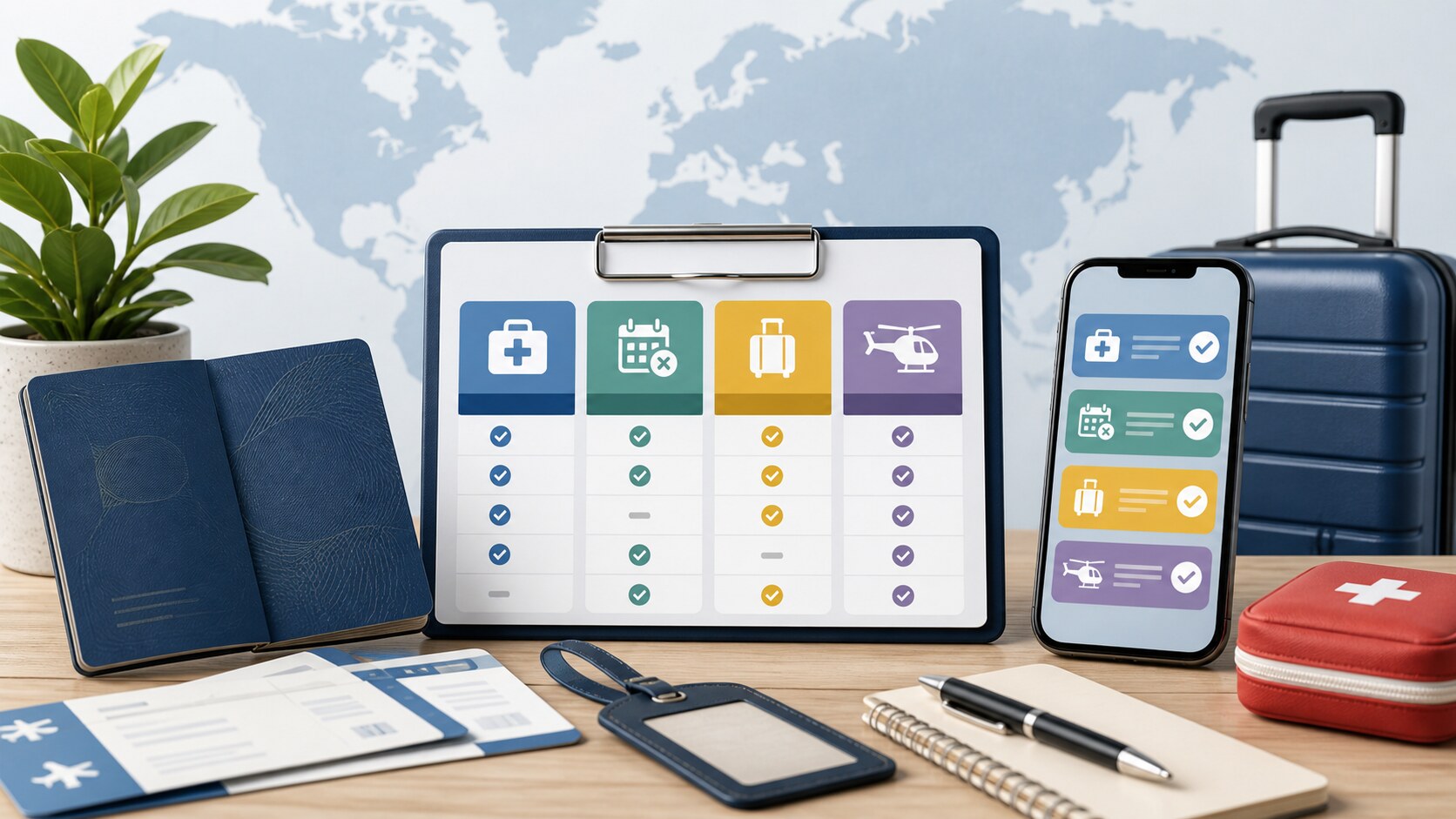
Make A Pre-Booking Passport Checklist
Before paying for international travel, confirm:
- Passport expiry date for every traveler.
- Required validity after arrival, departure, or the end of the trip.
- Transit-country document rules.
- Enough blank visa or stamp pages.
- No serious damage, missing pages, or unreadable biodata.
- Exact name match across passport, ticket, visa, and insurance records.
- Child-passport expiry and consent requirements.
- Renewal processing, appointment, and delivery time.
- Visa or electronic authorization timing after any renewal.
- Emergency passport options only as a backup, not the main plan.
Bottom Line
A passport check takes a few minutes; fixing a passport problem after booking can take weeks. Before you commit money, verify the expiry date against the full itinerary, allow for three- or six-month validity rules, count blank pages, inspect for damage, check every traveler’s name, and leave enough renewal time. The best international trip planning starts with the document that gets you through the first border.