Healthy eating can become unnecessarily complicated. One person is weighing rice. Another is tracking every almond. Someone else is following a strict meal plan that does not fit their budget, culture, schedule, or appetite. Calorie counting can be useful for some people in specific situations, but it is not the only way to build better everyday meals.
A balanced plate is simpler. It uses the plate in front of you as a visual guide: plenty of vegetables or fruit, a satisfying protein source, a mostly whole-grain or starchy food, a small amount of healthy fat, and water or another low-sugar drink. It is flexible enough for rice and beans, chapati and lentils, salmon and potatoes, tofu stir-fry, eggs and vegetables, or leftovers from last night.
This is general nutrition information, not medical advice. People with diabetes, kidney disease, eating disorders, allergies, pregnancy-related needs, digestive conditions, or other medical concerns should follow guidance from a qualified clinician or registered dietitian.
Quick Answer
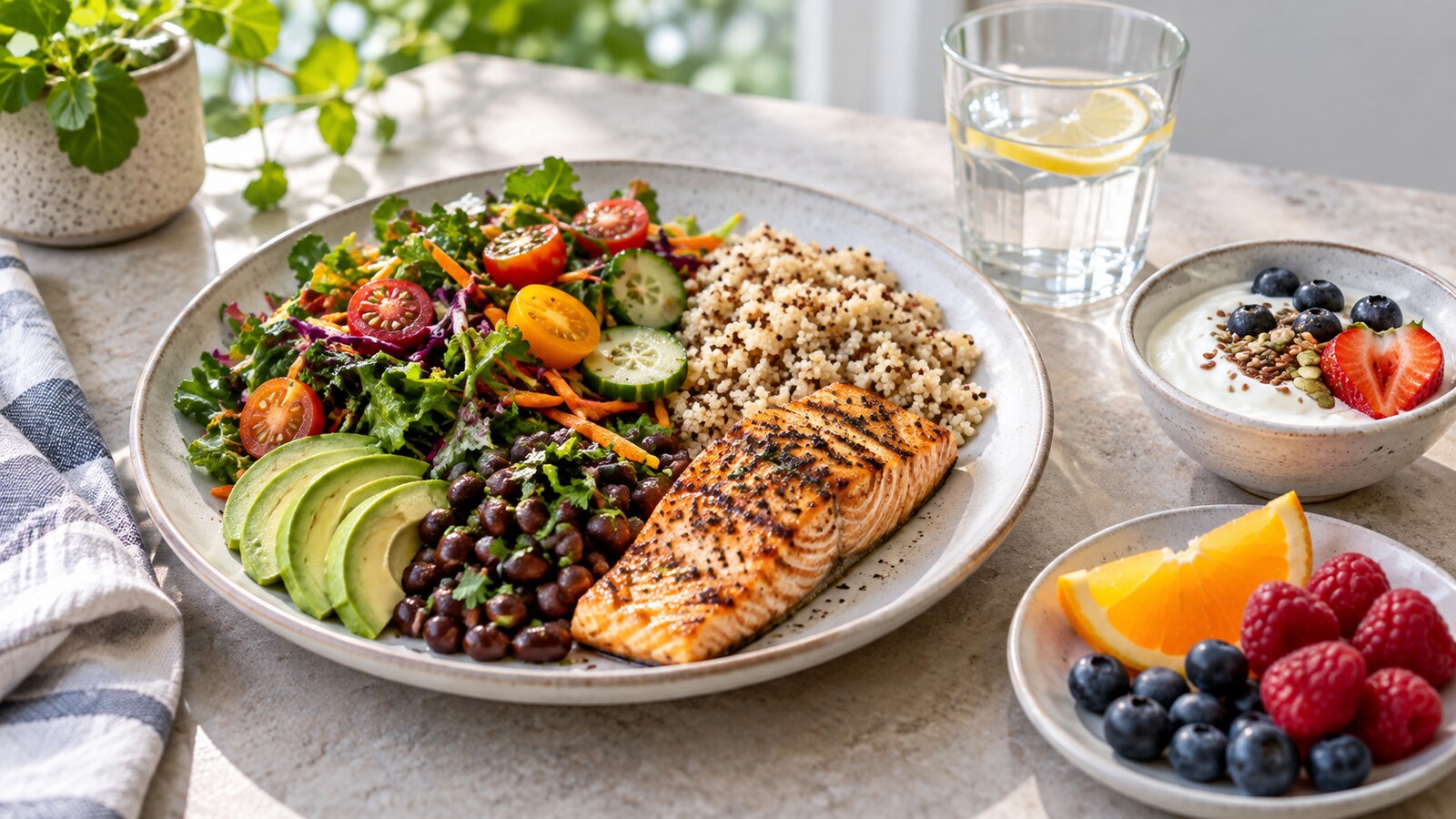
To build a balanced plate without counting calories, fill about half the plate with vegetables and fruit, one quarter with protein, and one quarter with whole grains or another starchy food. Add a small amount of unsaturated fat, choose water most often, and adjust portions based on hunger, activity, culture, budget, and health needs. The goal is a repeatable pattern, not a perfect diagram.
Start With The Plate, Not A Spreadsheet
The plate method works because it turns nutrition into something visible. Instead of calculating every gram, you look at the meal and ask whether it includes enough variety. The World Health Organization describes healthy diets around adequacy, balance, moderation, and diversity. That is a useful way to think about the plate: enough food, not only one food group, not too much salt, sugar, or unhealthy fat, and enough variety over time.
For many meals, a good starting point is:
- Half the plate: vegetables, salad, or fruit.
- One quarter: protein such as beans, lentils, eggs, fish, poultry, tofu, yogurt, or lean meat.
- One quarter: whole grains or starchy foods such as brown rice, oats, whole-wheat bread, maize, potatoes, sweet potatoes, millet, or quinoa.
- A small amount: healthy fats such as olive oil, avocado, nuts, seeds, or nut butter.
That pattern is not a law. Soup, stew, wraps, grain bowls, curries, breakfast plates, and shared family meals may not divide neatly. Use the idea behind the plate, not the geometry.
Make Plants The Anchor
Vegetables and fruit bring fiber, water, vitamins, minerals, color, and texture to meals. NHS guidance recommends at least five portions of a variety of fruit and vegetables a day, and WHO guidance also emphasizes vegetables, fruit, pulses, whole grains, and nuts as everyday foundations.
Do not make this harder than it needs to be. Fresh produce is excellent, but frozen and canned options can also work, especially when money, storage, or time is tight. Choose canned vegetables, beans, and pulses with lower salt when available, and rinse them if needed. Choose fruit canned in juice or water more often than syrup.
At meals, aim for color and variety across the week. Leafy greens, carrots, tomatoes, cabbage, peppers, onions, squash, okra, broccoli, berries, bananas, apples, citrus, mango, and melon all count. So do beans and lentils, though they can also sit in the protein part of the plate.
If vegetables are not yet a habit, start with one addition rather than a full makeover: a tomato and onion salad beside eggs, frozen vegetables stirred into rice, cabbage in a wrap, spinach in beans, carrots beside hummus, or fruit with breakfast.
Add Protein That Fits The Meal
Protein helps meals feel more satisfying and supports muscles, tissues, and daily body functions. A balanced plate does not require expensive protein or the same food every day. Beans, lentils, peas, eggs, tofu, tempeh, yogurt, milk, fish, poultry, nuts, seeds, and lean meats can all play a role depending on what is available and appropriate for you.
Plant proteins are useful because many bring fiber as well as protein. Lentils, chickpeas, black beans, kidney beans, soy foods, peanuts, and seeds can make a meal more filling without requiring meat at every sitting. Fish and poultry can also fit well. Red and processed meats are better treated as occasional or smaller parts of the pattern rather than the default center of every plate.
For simple portioning, choose a protein amount that looks roughly like the palm of your hand, or about a quarter of the plate. Very active people, older adults, pregnant people, and people recovering from illness may need different amounts, which is why individual advice matters when health needs are specific.
Choose Better Carbohydrates, Not No Carbohydrates
Carbohydrates are often treated as the problem, but the quality and context matter. WHO guidance notes that carbohydrate foods should come mainly from whole grains, vegetables, fruit, and pulses. Whole grains and higher-fiber starchy foods usually digest more slowly and bring more nutrients than highly refined options.
Good everyday choices include oats, brown rice, whole-wheat bread, whole-grain pasta, maize, millet, sorghum, barley, bulgur, quinoa, potatoes with the skin when suitable, sweet potatoes, beans, peas, and lentils. White rice, refined pasta, bread, or flatbread can still appear in a balanced diet, especially when served with vegetables, protein, and healthy fats. The plate method is about improving the whole meal rather than declaring one ingredient forbidden.
If you already have GDU’s nutrition-label guide open while shopping, compare fiber, added sugar, sodium, and serving size on packaged grain products. Marketing words on the front of a package are less reliable than the actual label.
Use Fat With Intention
Fat is not something to eliminate. It helps meals taste good and helps the body absorb certain vitamins. The practical choice is to use mostly unsaturated fats and keep portions moderate, because all fats are energy-dense.
Examples include olive oil, canola oil, avocado, nuts, seeds, tahini, peanut butter, and oily fish. Less helpful everyday defaults include frequent deep-fried foods, large amounts of butter or cream, processed meats, and packaged snacks high in saturated fat, salt, and added sugar.
A useful rule is to add enough fat to make the meal satisfying, not so much that it crowds out the rest of the plate. A drizzle of oil on vegetables, a spoon of peanut sauce, a small handful of nuts, or a few slices of avocado can be enough.
Make The Drink Boring Most Of The Time
Drinks are easy to overlook because they do not fill a plate. Water is the simplest default. Unsweetened tea or coffee can also fit many routines. Sugary drinks, large sweetened coffees, energy drinks, and frequent fruit juice can add a lot of sugar without making a meal more satisfying.
Fruit juice can be part of a diet, but whole fruit is usually a better everyday choice because it brings more fiber and takes longer to eat. If you drink juice, keep it modest and treat it as one part of the day rather than the main way you get fruit.
Build Balanced Meals From Real Situations
A balanced plate does not need special recipes. It needs a reliable structure.
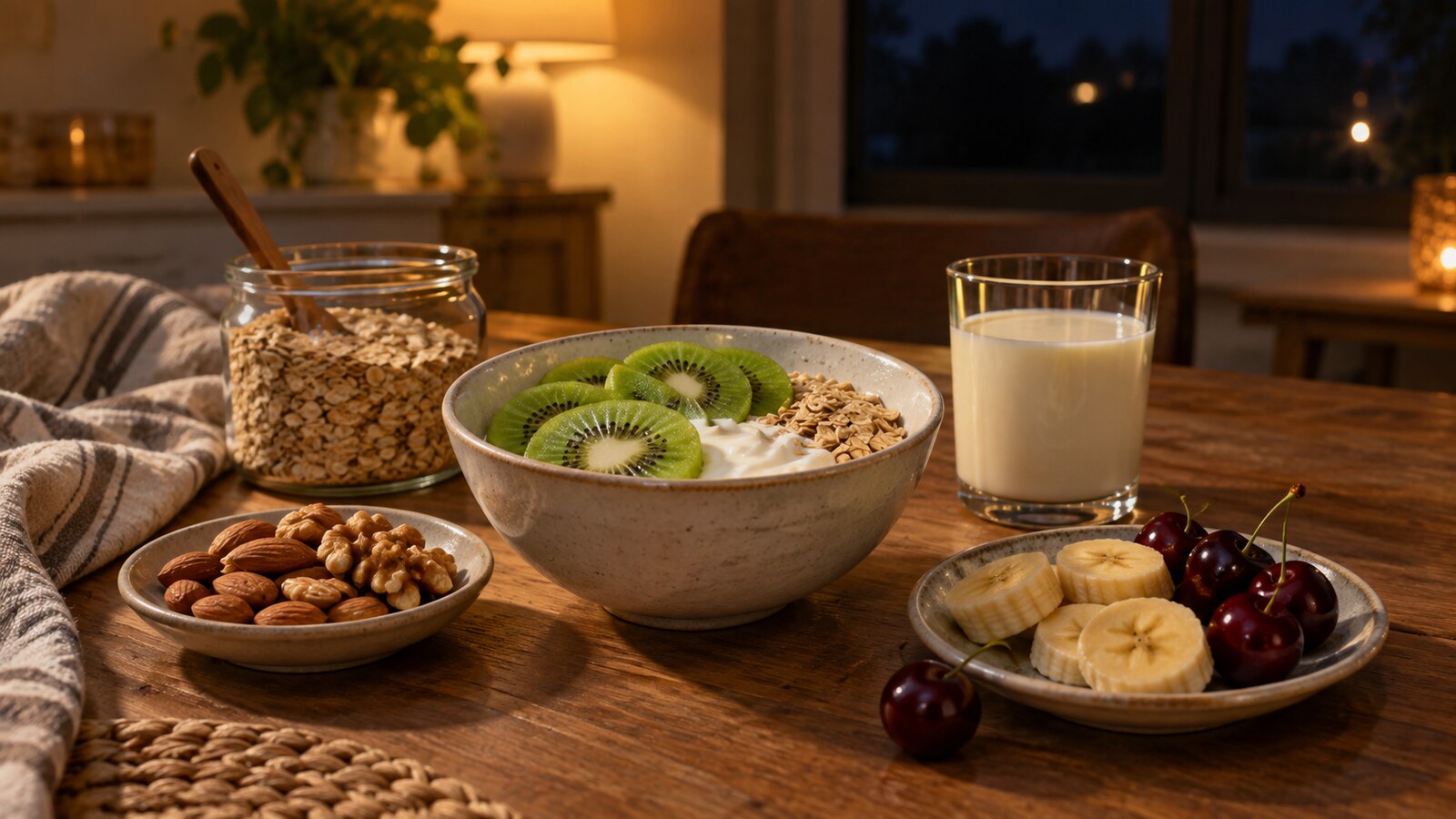
Breakfast might be oats with yogurt, fruit, and seeds; eggs with vegetables and whole-grain toast; beans with avocado and tomato; or leftovers with an added fruit. Lunch might be rice, lentils, vegetables, and a little oil-based dressing. Dinner might be fish, potatoes, salad, and fruit; tofu with vegetables and noodles; or chicken stew with maize and greens.
For takeout, add balance instead of trying to make the order perfect. Choose grilled, steamed, baked, or bean-based options when available. Add salad, vegetables, fruit, or yogurt. Share fries or dessert if the portion is large. Ask for sauce on the side when sauces are very salty, creamy, or sweet.
For snacks, pair fiber and protein where possible: fruit with yogurt, carrots with hummus, nuts with fruit, whole-grain toast with peanut butter, or boiled eggs with vegetables. A snack does not have to be tiny; it just needs a purpose.
Adjust For Hunger And Life
The plate method should leave room for appetite. A person doing physical work, training hard, breastfeeding, recovering from illness, or growing through adolescence may need more food. Someone sitting most of the day may need smaller portions. A person with a medical condition may need a different pattern entirely.
Use hunger and energy as feedback. If you are hungry soon after meals, add more protein, fiber-rich carbohydrates, vegetables, or healthy fats. If meals leave you sluggish every time, check whether portions are very large, low in fiber, or heavy in fried foods. If you feel out of control around food, overly restrictive rules may be part of the problem, and professional support can help.
Budget matters too. Balanced meals can be built from affordable staples: beans, lentils, eggs, seasonal vegetables, frozen vegetables, oats, rice, maize, potatoes, canned fish, yogurt, and fruit. GDU’s guide to food and cooking habits that save time and money can help turn those staples into repeatable meals.
Common Mistakes
- Treating the plate as a strict rule instead of a flexible guide.
- Eating vegetables only at dinner and struggling to reach variety.
- Choosing protein bars or powders before trying ordinary protein foods.
- Cutting out all carbohydrates instead of improving their quality.
- Forgetting that sauces, drinks, and fried sides can change the balance of a meal.
- Buying “healthy” foods that do not match your budget or cooking habits.
- Trying to fix every meal at once instead of improving the next plate.
Bottom Line
You do not need to count every calorie to eat more balanced meals. Start with the plate: more vegetables and fruit, enough protein, mostly whole-grain or high-fiber starches, modest healthy fats, and water most of the time. Then adjust for your appetite, culture, budget, and health needs. The best balanced plate is the one you can repeat in real life.