Eating before bed is not automatically good or bad. The better question is what you are eating, how much, and why. A heavy meal late at night can leave some people uncomfortable. Going to bed hungry can also make sleep harder. For many adults, the useful middle ground is a small, simple snack that is easy to digest.
Some foods contain nutrients connected with sleep regulation, including tryptophan, melatonin, fiber, and complex carbohydrates. That does not mean any single food will cure insomnia or guarantee deeper sleep. Research on specific sleep-promoting foods is still developing, and sleep is affected by light exposure, stress, alcohol, caffeine, medication, health conditions, exercise, and routine.
This guide is general nutrition information, not medical advice. If you have persistent insomnia, reflux, diabetes, kidney disease, eating disorder history, pregnancy-related needs, food allergies, or another medical concern, use personalized advice from a qualified clinician or registered dietitian.
Quick Answer
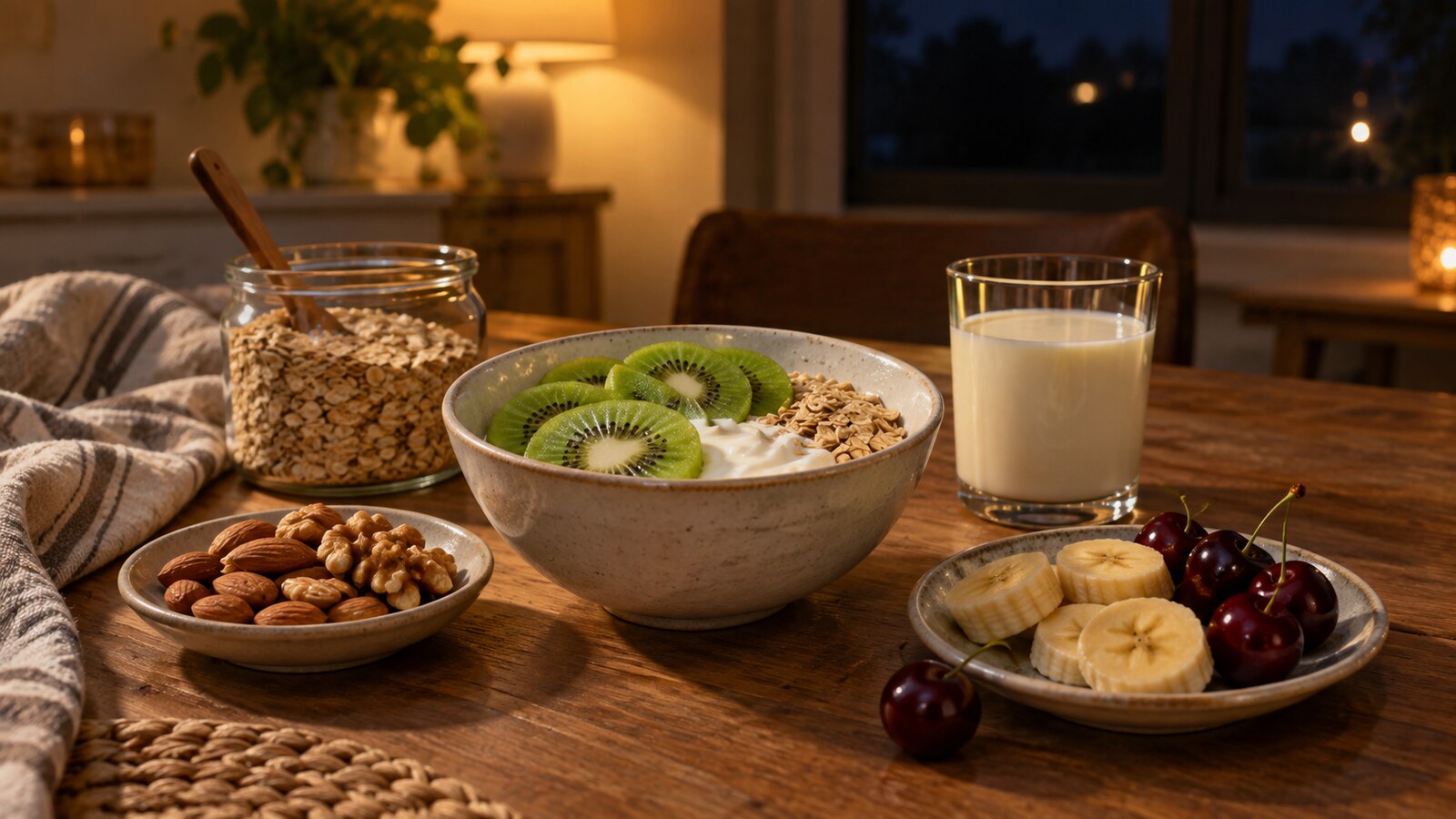
The best foods to eat before bed are small portions of easy, balanced foods such as plain yogurt with kiwi, milk with oats, a banana with peanut butter, whole-grain toast, a small bowl of oatmeal, a few nuts or seeds, tart cherries, or cottage cheese with fruit. Choose foods that combine some carbohydrate with protein or healthy fat, avoid very large portions, and give your body time to digest.
What Makes A Good Bedtime Snack?
A good bedtime snack should satisfy hunger, avoid digestive discomfort, and support a steady evening routine. It does not need to be expensive, exotic, or perfectly optimized.
Look for a small snack that includes one or two of these:
- A gentle carbohydrate source, such as oats, whole-grain toast, banana, fruit, or whole-grain cereal.
- A protein source, such as milk, yogurt, cottage cheese, eggs, tofu, nuts, or seeds.
- A modest amount of healthy fat, such as nut butter, walnuts, almonds, or seeds.
- Fiber, especially from fruit, oats, whole grains, nuts, seeds, or legumes eaten earlier in the evening.
That combination is more useful than a sugary snack alone. It is also usually more comfortable than a large, greasy, or spicy meal immediately before lying down.
If you already use GDU’s balanced plate guide for regular meals, think of a bedtime snack as a smaller version of the same idea: enough variety to satisfy you, without turning the snack into another full dinner.
Kiwi
Kiwi is one of the most commonly discussed fruits in sleep-and-diet research. It provides fiber, vitamin C, antioxidants, and naturally occurring compounds that researchers have studied in relation to sleep quality. Harvard Health notes that preliminary research has examined kiwi, milk, fatty fish, and tart cherry juice as foods that may improve sleep, while also emphasizing that stronger research is still needed.
Practical ways to use it:
- Slice one kiwi into plain yogurt.
- Eat kiwi with a small handful of nuts.
- Pair kiwi with cottage cheese or oats.
Kiwi can be a smart bedtime fruit, but it is not a sleeping pill.
Plain Yogurt, Milk, Or Cottage Cheese
Dairy foods such as milk, yogurt, and cottage cheese provide protein and contain tryptophan, an amino acid the body uses in processes connected with serotonin and melatonin. MedlinePlus lists milk, cheese, egg whites, fish, poultry, peanuts, pumpkin seeds, sesame seeds, soybeans, and sunflower seeds among tryptophan-containing foods.
Plain yogurt with fruit is often a better evening choice than a very sweet dessert-style yogurt. Cottage cheese can work well for people who want a higher-protein snack. Warm milk is not magic, but it can be part of a calming routine if you enjoy it and tolerate dairy comfortably.
Try:
- Plain yogurt with kiwi or berries.
- Warm milk with a small bowl of oats.
- Cottage cheese with banana slices.
Choose unsweetened versions most often, then add fruit or a small amount of honey if needed.
Oats And Whole Grains
Oats, whole-grain toast, brown rice, whole-grain cereal, and similar foods can be useful at night because they provide carbohydrates and, depending on the food, fiber. A review of diet and sleep research describes the relationship between diet and sleep as cyclical: sleep affects food choices, and dietary patterns may also influence sleep through pathways involving melatonin and tryptophan.
A small portion of oats can be practical because it is warm, inexpensive, and easy to combine with milk, yogurt, nuts, seeds, or fruit. Whole-grain toast with peanut butter can also be enough if you are hungry but do not want a large meal.
Try:
- Small bowl of oatmeal with milk and banana.
- Whole-grain toast with peanut butter.
- Whole-grain cereal with milk and sliced fruit.
Use the nutrition facts label guide when comparing packaged cereals or granola. Some products that look wholesome are still high in added sugar.
Nuts And Seeds
Nuts and seeds bring protein, healthy fats, minerals, and texture. Almonds, walnuts, peanuts, pumpkin seeds, sunflower seeds, sesame seeds, and nut butters can all fit into a bedtime snack. A small handful is usually enough.
The practical reason they work is simple: they make a small snack more satisfying.
Try:
- Banana slices with peanut butter.
- Yogurt topped with walnuts.
- A small handful of pumpkin seeds with fruit.
- Whole-grain toast with almond butter.
If reflux or indigestion is a problem, keep the portion modest because high-fat foods can bother some people close to bedtime.
Tart Cherries Or Tart Cherry Juice
Tart cherries and tart cherry juice are widely mentioned because tart cherries contain melatonin. Some studies have examined tart cherry juice in relation to sleep measures, but juice can also bring concentrated sugar. Whole tart cherries, frozen tart cherries, or a small amount of unsweetened tart cherry juice will often be more sensible than a large sweet drink at night.
Try:
- Tart cherries stirred into yogurt.
- Frozen cherries warmed into oatmeal.
- A small serving of tart cherry juice if it fits your diet.
If you are managing blood sugar, reflux, or weight goals, be especially careful with juice portions.
Bananas
Bananas are not a cure for poor sleep, but they are easy, portable, and gentle for many people. A banana becomes more satisfying when paired with protein or fat.
Try:
- Banana with peanut butter.
- Banana slices in oatmeal.
- Banana with plain yogurt.
This is a useful option when you want something simple and familiar rather than a prepared snack.
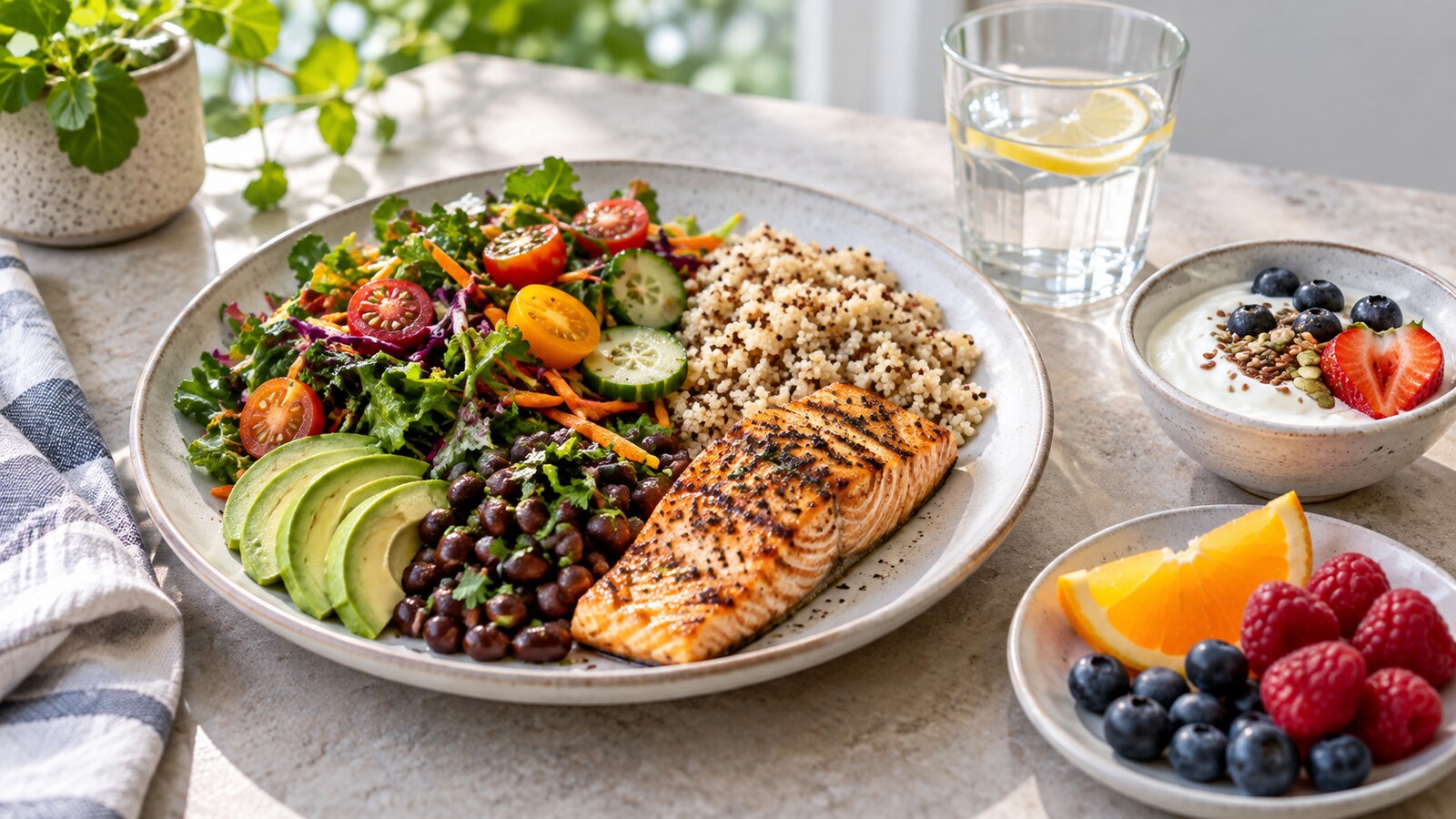
Fatty Fish At Dinner
Fatty fish such as salmon, sardines, trout, or mackerel is better thought of as a sleep-supportive dinner food than a last-minute bedtime snack. Harvard Health notes that fatty fish contains vitamin D and omega-3 fatty acids, nutrients involved in serotonin regulation.
If you eat fish, include it earlier in the evening with vegetables and a whole-grain or starchy food. If you do not eat fish, you can still build a sleep-friendly pattern with legumes, soy foods, nuts, seeds, whole grains, fruit, and vegetables.
What To Avoid Before Bed
The foods that hurt sleep are often more important than the foods people hope will help. Consider limiting these close to bedtime:
- Large meals that leave you overly full.
- Fried or very high-fat foods if they trigger reflux or discomfort.
- Very spicy meals if they bother your digestion.
- High-sugar snacks that leave you hungry again.
- Caffeine from coffee, tea, energy drinks, cola, chocolate, and some supplements.
- Alcohol, which may make you sleepy at first but can disrupt sleep quality later.
Timing matters. Some people can eat a small snack 30 to 60 minutes before bed with no problem. Others need two or three hours after dinner to feel comfortable lying down.
Simple Bedtime Snack Ideas
Here are practical combinations that fit the principles above:
- Plain yogurt with kiwi.
- Oatmeal with milk and banana.
- Whole-grain toast with peanut butter.
- Cottage cheese with berries.
- A small handful of walnuts with fruit.
- Warm milk and a small oat biscuit.
- Tart cherries with plain yogurt.
- Hummus with whole-grain crackers.
Keep portions modest. A bedtime snack should solve hunger, not replace a missed dinner every night.
FAQ
Is It Bad To Eat Before Bed?
Not necessarily. A large, heavy meal right before bed can cause discomfort for some people, but a small snack may help if hunger is keeping you awake.
What Is The Best Fruit Before Bed?
Kiwi, banana, berries, and tart cherries are practical options. Kiwi and tart cherries have received research interest, while bananas and berries are easy to pair with yogurt, oats, or nuts. No fruit guarantees sleep.
Should I Drink Milk Before Bed?
Milk can be a reasonable bedtime drink if you tolerate it. It provides protein and tryptophan, and warm milk may also fit a calming routine. Choose an option that works for your digestion and dietary needs.
How Close To Bedtime Should I Eat?
If you need a snack, many people do well with something small about 30 to 90 minutes before bed. If you are eating a full dinner, allow more time. People with reflux often need a longer gap before lying down.
Summary
The best foods to eat before bed are not miracle foods. They are small, balanced, and easy to digest: yogurt with kiwi, milk with oats, banana with nut butter, whole-grain toast, cottage cheese with fruit, tart cherries, nuts, seeds, or a light oatmeal bowl. Focus on steady habits, modest portions, and avoiding the obvious sleep disruptors: too much food, too much sugar, late caffeine, alcohol, and meals that upset your stomach.