
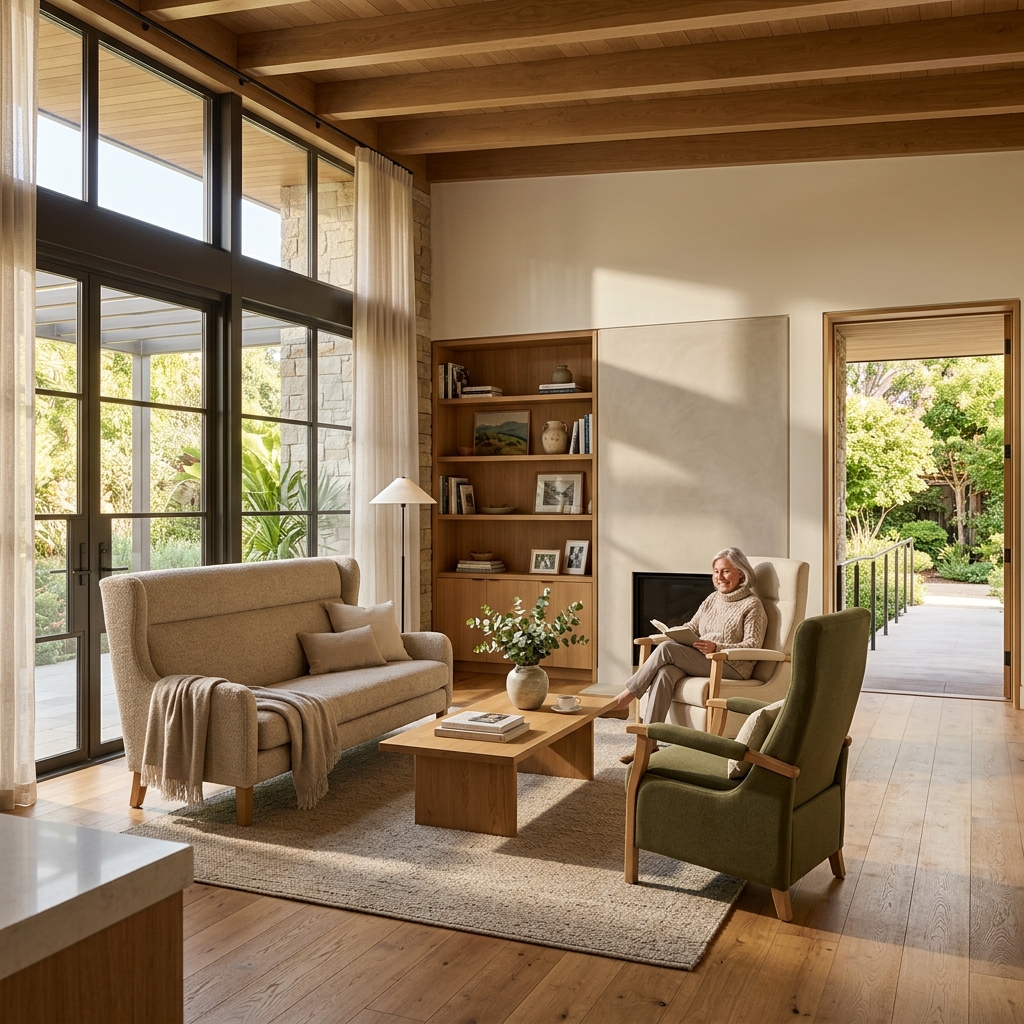
Aging-in-place is becoming one of the most practical niche markets for writers, consultants, affiliate publishers, local service founders, and software builders in 2026.
The reason is not hype. It is demographic pressure, high care costs, confusing purchase decisions, and a growing gap between what families need and what broad consumer websites explain clearly.
The U.S. Census Bureau says the population age 65 and older reached 55.8 million in 2020 after growing 38.6% in a decade. AARP’s 2024 Home and Community Preferences Survey found that 75% of adults 50 and older want to remain in their current homes as they age. CareScout’s 2025 cost survey puts the national median non-medical caregiver rate at $35 per hour, or $80,080 per year when modeled at 44 hours per week. CMS also reports U.S. national health expenditure reached $5.3 trillion in 2024 and projects health spending growth to outpace GDP growth from 2025 through 2034.
That combination creates search intent with money behind it. Families are not casually browsing. They are trying to prevent falls, compare care options, reduce costs, help a parent stay independent, and avoid expensive mistakes.
Below are 10 specific aging-in-place niche ideas with real commercial angles.
1. Home Safety Audits For Adult Children
Broad topic: senior home safety.
Better niche: room-by-room safety audits for adult children who are worried about a parent living alone.
This niche works because the buyer often is not the older adult. It is the daughter, son, niece, neighbor, or long-distance caregiver who notices missed medications, cluttered stairs, poor lighting, or a recent fall scare.
Useful content includes bathroom safety checklists, stairway risk guides, kitchen modification ideas, landlord-friendly changes for renters, and “what to do this weekend” safety plans. Monetization can come from local audit services, occupational therapist referrals, home modification contractors, medical alert affiliates, grab bar installation, and printable checklists.
The underserved angle is specificity. Instead of “make your home safer,” create guides for “a 1970s ranch home with one step into the garage” or “an upstairs apartment where drilling into tile is not allowed.”
2. Medicare Vs. Private Pay Home Care Explainers
Broad topic: Medicare.
Better niche: plain-English payment explainers for families trying to understand what Medicare, Medicaid, long-term care insurance, and private pay do or do not cover at home.
This is a high-intent niche because people search it during a stressful transition: a hospital discharge, a dementia diagnosis, a fall, or a caregiver burnout point. They need decision support, not generic definitions.
Content can compare skilled home health, non-medical caregiving, respite care, adult day services, and nursing facility care. Revenue paths include elder law referrals, insurance education, financial planning leads, discharge planning resources, and paid family-care planning templates.
The opportunity is to build trust by being conservative. Avoid promising coverage. Explain the questions families should ask before signing a care contract.
3. Local Senior Transportation Guides
Broad topic: senior transportation.
Better niche: city-by-city guides to transportation options for older adults who no longer drive.
This niche has local SEO potential because the real search is rarely “senior transportation.” It is “rides to doctor appointments in Phoenix,” “paratransit eligibility in Queens,” or “how to get my mom to dialysis twice a week.”
Useful assets include eligibility explainers, local provider comparisons, appointment ride checklists, wheelchair-accessible ride guides, and scripts for calling county agencies. Monetization can come from lead generation for vetted ride services, local sponsorships, mobility equipment affiliates, and consulting for care managers.
The money angle is reliability. A missed medical ride can create a health and family logistics problem, so families will pay for clarity.
4. Aging Parent Tech Setup
Broad topic: smart home technology.
Better niche: tech setup for older adults who need independence without feeling monitored.
Families buy cameras, fall sensors, smart speakers, medication reminders, blood pressure monitors, and door sensors. The hard part is not buying devices. It is choosing the least intrusive setup, installing it, teaching it, maintaining it, and respecting privacy.
Content can cover “no-camera monitoring,” smart speaker routines, router placement, scam-resistant phone settings, emergency contact setup, and device comparison guides for low-tech parents. Service revenue can come from in-home setup packages, remote tech support subscriptions, affiliate product pages, and partnerships with home care agencies.
The best positioning is not “surveillance.” It is independence, consent, and fewer avoidable emergencies.
5. Dementia-Friendly Home Routines
Broad topic: dementia care.
Better niche: household routines and environmental cues for early-stage dementia at home.
This niche is sensitive, but demand is durable. Families need help with medication locations, kitchen safety, door cues, calendars, labeling, nighttime wandering risks, and reducing decision overload.
Good content includes printable routine boards, room-label templates, meal simplification guides, caregiver handoff notes, and questions for clinicians. Monetization can include digital products, occupational therapy partnerships, caregiver courses, and vetted product recommendations.
The trust requirement is high. Keep medical claims restrained and route diagnosis or treatment questions to qualified professionals.
6. Downsizing Without Leaving The Neighborhood
Broad topic: downsizing.
Better niche: helping older homeowners reduce possessions and housing risk while staying near familiar doctors, friends, stores, and faith communities.
AARP’s survey found that older adults often want to remain in their homes and communities, which means “move to a smaller place” is not always the first or best answer. Many families need partial downsizing: one room at a time, safer storage, fewer fall hazards, better document organization, and a plan for sentimental items.
Content can cover estate sale preparation, storage decisions, documents adult children should locate, photo digitization, and “keep, gift, sell, donate” workflows. Monetization can come from local downsizing services, estate organizers, senior move managers, storage affiliates, and paid planning worksheets.
The profitable angle is emotional friction. Families pay for help when the task is both practical and personal.
7. Home Care Hiring Checklists
Broad topic: caregiving.
Better niche: hiring and managing non-medical caregivers for a parent at home.
CareScout’s 2025 national median non-medical caregiver cost of $35 per hour shows why families want to make better hiring decisions. The Bureau of Labor Statistics projects home health and personal care aide employment to grow 17% from 2024 to 2034, with about 765,800 openings per year on average. Demand is large, but families still struggle to compare agencies, independent caregivers, backup coverage, training, scheduling, and liability.
Useful content includes interview questions, trial-shift checklists, care logs, agency contract red flags, backup-care planning, and state-specific hiring basics. Revenue can come from care marketplace leads, document templates, private advising, and newsletter sponsorships.
This is a strong niche because one bad hire can be costly, unsafe, or emotionally exhausting.
8. Fall Prevention For Specific Homes
Broad topic: fall prevention.
Better niche: fall prevention by housing type.
Search intent gets stronger when the content matches the actual home: apartments, mobile homes, split-level houses, basement laundry setups, farmhouses, townhomes with stairs, or small bathrooms.
Content can include lighting upgrades, rug decisions, stair rail options, shower entry fixes, bed height checks, footwear choices, and seasonal risks such as ice or wet leaves. Monetization can come from home modification contractors, safety products, physical therapy referrals, and local inspection services.
The advantage is that many safety articles are too general. Housing-specific guides are easier to rank for and more useful.
9. Family Caregiver Work And Money Planning
Broad topic: caregiver burnout.
Better niche: financial and workplace planning for adults helping parents while still working.
This audience searches for leave policies, flexible work scripts, expense tracking, sibling cost-sharing, tax questions, paid family leave, and how to document time spent caregiving. They need both emotional support and practical systems.
Content can include caregiver budget templates, sibling meeting agendas, employer conversation scripts, and guides to local respite options. Monetization can come from financial planners, employee benefit consultants, digital products, and paid communities.
The commercial point is clear: caregiving changes household cash flow, work hours, retirement contributions, and family relationships.
10. Aging-In-Place Contractor Marketing
Broad topic: contractor marketing.
Better niche: marketing services for remodelers, handymen, occupational therapists, and home service firms that want aging-in-place clients.
Many local providers can install ramps, widen doorways, replace tubs, add lighting, improve flooring, or build accessible entries. Fewer know how to explain those services in terms families search for.
This niche can sell landing pages, local SEO packages, before-and-after case studies, Google Business Profile optimization, review systems, and lead qualification forms. It is a business-to-business niche built on top of consumer demand.
The valuable insight is that aging-in-place buyers need proof and trust. Contractors who show clear pricing ranges, licenses, insurance, safety reasoning, and photos of realistic modifications will stand out.
How To Choose The Best Sub-Niche
The strongest aging-in-place niches usually have four traits.
First, the buyer has urgency. A fall, hospital discharge, diagnosis, work conflict, or caregiving gap creates immediate action.
Second, the topic has local or regulated complexity. Families need state, county, insurer, housing, or provider-specific guidance.
Third, the purchase is expensive enough to justify research. Home care, remodeling, monitoring technology, legal planning, and transportation can all cost enough that people compare options.
Fourth, trust matters. Aging-in-place decisions affect safety, privacy, independence, and family finances.
That is why the best opportunity is not another broad “senior living” blog. It is a focused resource that helps a specific family solve a specific problem with less confusion.