
The Final Reckoning: Nakumatt’s Legacy Properties Auctioned Amid Sh1.6 Billion Debt Storm
Nakumatt, Kenya’s once-dominant supermarket chain, faces a pivotal moment as its prime properties head to auction over a staggering KSh 1.6 billion debt to Standard Chartered Bank.
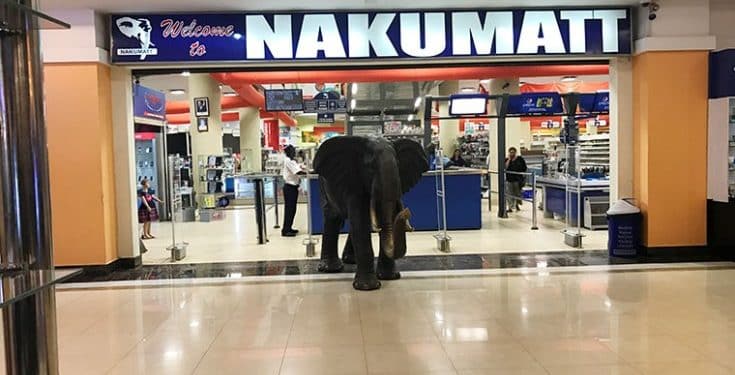
If the debt is not cleared within the stipulated period, Standard Chartered will exercise its statutory power of sale under Section 90 of the Land Act.
“Nakumatt Investments Limited is required to regularise the default within ninety (90) days of the date of publication of this notice,” the bank stated.
This development marks another chapter in the retailer’s prolonged downfall since its 2017 collapse.
“Nakumatt Investments Limited is in default of its obligation to pay the amounts secured by the charged properties when demanded,” the notice partly read.
Origins of the Retail Giant
Founded in 1976 as a modest mattress shop in Nakuru by the Shah family, Nakumatt evolved into East Africa’s largest supermarket chain by 2015.
It boasted 65 stores across Kenya, Uganda, Tanzania, and Rwanda, generating over Sh50 billion in annual revenue through an asset-light model reliant on supplier credit.
Aggressive expansion fueled growth but sowed seeds of vulnerability, with family-led decisions bypassing robust governance
Descent into Financial Chaos
Cash flow crises emerged in 2016, as Nakumatt delayed supplier payments up to 196 days, accumulating Sh35.8 billion in total debts by 2017—Sh18.5 billion to suppliers, Sh6.9 billion to banks, and more to KRA and staff.
Branches shuttered rapidly after May 2017, with the last six sold to Naivas in 2019; creditors voted for liquidation in January 2020.
Allegations of trade-based money laundering via lawyer accounts and ties to Charterhouse Bank’s closure intensified scrutiny, per CBK audits and KPMG reviews.
Standard Chartered’s claim, part of broader creditor pursuits like DTB’s Sh3.6 billion and KCB’s Sh1.9 billion, now targets Nakumatt Investments’ assets likely high-value malls and commercial spaces.
“Standard Chartered Bank Kenya Limited hereby demands payment of the secured amounts,” the bank ordered.
This echoes past auctions, such as ex-CEO Atul Shah’s Lavington mansion over Sh2 billion, signaling unresolved recoveries years later. Recent disputes, including a failed push to liquidate Kenindia Assurance over Sh181 million, show administrators’ persistent clawback efforts.
Retail Sector Ripple Effects
Nakumatt’s exit reshaped Kenya’s market, empowering Naivas, Carrefour, and QuickMart while boosting e-commerce amid thin margins and supply disruptions.
Tuskys followed a similar path, closing in 2023 with Sh19.6 billion debt, highlighting systemic issues like overexpansion and creditor revolts. Urban malls anchored by Nakumatt faced repurposing, altering Nairobi’s commercial landscape.
The saga underscores perils of debt-heavy growth, weak controls, and opaque financing in retail’s cutthroat arena.
Survivors emphasize cash reserves, ethical supply chains, and diversified revenue, amid rising insolvencies.
As auctions loom, this could close Nakumatt’s book, urging regulators to bolster distressed firm frameworks.